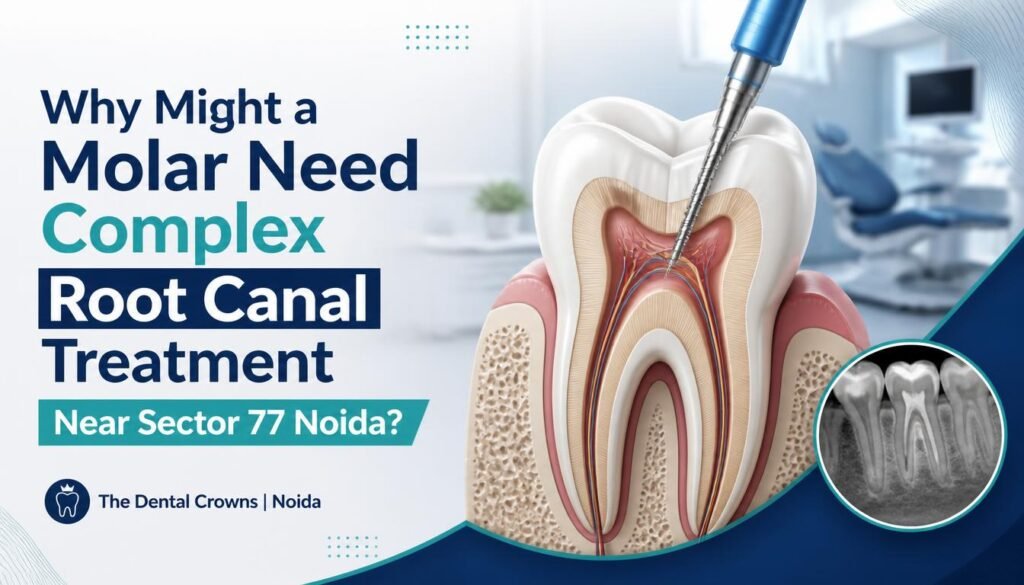
A persistent toothache, sensitivity to hot and cold foods, or swelling around the gums can make everyday activities uncomfortable. Sometimes, these symptoms indicate a problem deep inside the tooth that may require root canal treatment. In certain cases, when conventional root canal treatment is not sufficient, a dentist may recommend root canal surgery.
If you are searching for root canal surgery near Sector 76 Noida, understanding when this procedure is recommended, how it works, and what to expect can help you make an informed decision about your dental health.
At The Dental Crowns, located in Sector 79, Noida, patients from Sector 76 and nearby areas can consult a dental professional for an examination and appropriate treatment planning.
What Is Root Canal Surgery?
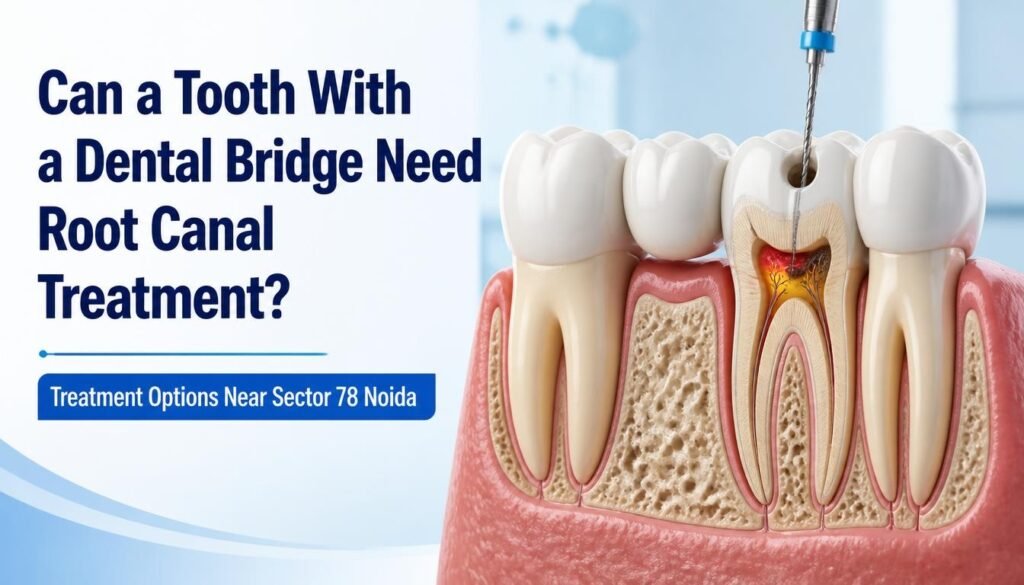
Root canal treatment is a dental procedure that removes infected or inflamed pulp from inside a tooth. The dentist cleans, disinfects, fills, and seals the root canal system to help preserve the natural tooth.
However, not every dental infection can be resolved through conventional root canal treatment alone.
In such situations, endodontic surgery, also called root canal surgery, may be recommended. One common procedure is an apicoectomy, which involves removing the infected tissue around the root tip and a small portion of the root end.
The primary goal is to eliminate persistent infection and save the natural tooth whenever possible.
When Is Root Canal Surgery Recommended?
Root canal surgery is not usually the first treatment option. A dentist or endodontist may recommend it when conventional treatment is insufficient or when a specific problem cannot be addressed through a regular root canal procedure.
1. Persistent Infection After Root Canal Treatment
Sometimes, an infection around the root tip continues even after root canal treatment.
This may happen because bacteria remain in difficult-to-clean areas of the root canal system or because the infection has affected the surrounding tissues.
If inflammation or infection persists, your dentist may evaluate whether endodontic surgery is appropriate.
2. A Dental Abscess Near the Root
A dental abscess is a collection of pus caused by a bacterial infection. It may develop around the root of a tooth and cause pain, swelling, or tenderness.
In some cases, an abscess may require additional treatment beyond conventional root canal therapy.
Ignoring a dental abscess can allow the infection to spread. Therefore, timely dental evaluation is important.
3. Hidden or Complex Root Canal Anatomy
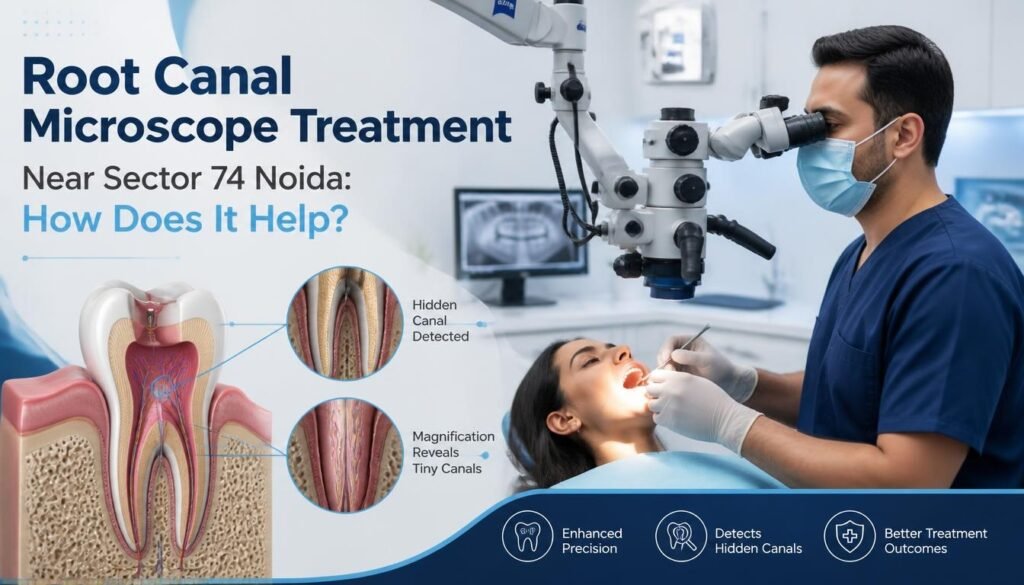
Some teeth have narrow, curved, or unusually shaped root canals that can make conventional treatment challenging.
Occasionally, small canals or anatomical variations may remain undetected during the initial procedure.
An endodontist may recommend surgical treatment to access and manage the affected area when nonsurgical treatment is not sufficient.
4. Persistent Pain or Swelling Around a Previously Treated Tooth
If a tooth continues to cause discomfort after root canal treatment, it does not automatically mean surgery is required.
However, symptoms such as persistent pain while chewing, swelling near the gums, tenderness, or recurring infection should be evaluated.
Your dentist may recommend further imaging and examination to determine whether the problem is related to the root, surrounding bone, a crack, or another dental condition.
5. A Damaged Root Surface
Certain root surface problems, including damage or infection affecting the area around the root, may require surgical intervention.
Depending on the condition, endodontic surgery may help address the affected tissues while preserving the natural tooth.
What Are the Common Symptoms That Require a Dental Evaluation?
If you live in Sector 76 Noida and experience any of the following symptoms, consider scheduling a dental consultation:
- Persistent or severe toothache
- Pain while biting or chewing
- Sensitivity to hot or cold that continues after the trigger is removed
- Swelling around the gums
- A small pimple or boil near the tooth
- Tenderness around a previously treated tooth
- Discomfort that keeps returning
- Deep tooth decay or a damaged tooth
- Swelling associated with a dental infection
Root Canal Treatment vs. Root Canal Surgery
Many patients confuse conventional root canal treatment with root canal surgery. Although both aim to treat problems inside or around a tooth, the procedures are different.
| Conventional Root Canal Treatment | Root Canal Surgery |
|---|---|
| Access is created through the tooth | Access may be created through the gum tissue |
| Infected pulp is removed from inside the tooth | Affected tissue around the root may be removed |
| Root canals are cleaned and sealed | Root tip may be treated and sealed |
| Usually the first treatment option | Considered in selected cases |
| Helps preserve the natural tooth | May help save a tooth when conventional treatment is insufficient |
Your dentist will determine which procedure is suitable after examining your tooth and reviewing the available diagnostic information.
How Is Root Canal Surgery Performed?
The exact procedure depends on your dental condition. A common type of endodontic surgery is an apicoectomy.
Step 1: Dental Examination
The dentist examines the affected tooth, reviews your symptoms, and evaluates previous dental treatment.
Dental X-rays or other imaging may be recommended to assess the root and surrounding bone.
Step 2: Local Anaesthesia
Local anaesthesia is administered to numb the treatment area and help maintain comfort during the procedure.
Step 3: Accessing the Root Area
A small incision is made in the gum tissue to access the affected area around the root tip.
Step 4: Removing Infected Tissue
The infected or inflamed tissue around the root is carefully removed. In an apicoectomy, a small portion of the root tip may also be removed.
Step 5: Sealing the Root End
A small filling may be placed at the root end to help seal the canal and reduce the risk of further infection.
Step 6: Closing the Surgical Area
The gum tissue is repositioned and closed with sutures when required.
Step 7: Follow-Up and Healing
Your dentist provides aftercare instructions and schedules follow-up appointments to monitor healing.
For more information about surgical treatment, you can read the American Association of Endodontists’ guide to endodontic surgery.
Is Root Canal Surgery Painful?
Fear of dental pain is one of the common reasons patients delay treatment.
Root canal surgery is performed under local anaesthesia, which helps numb the treatment area during the procedure. Some soreness, swelling, or mild discomfort may occur afterward as the tissues heal.
Your dentist may recommend appropriate medication and provide instructions for managing discomfort.
If pain becomes severe, swelling increases, or symptoms do not improve as expected, contact your treating dentist promptly.
How Long Does Recovery Take After Root Canal Surgery?
Recovery varies depending on the complexity of the procedure and the patient’s individual condition.
Some patients resume their regular activities relatively quickly, while the surrounding tissues may require more time to heal.
During recovery, your dentist may recommend:
- Following the prescribed medication instructions
- Eating soft foods initially, if advised
- Avoiding pressure on the treated area
- Maintaining oral hygiene carefully
- Following the recommended brushing instructions
- Attending scheduled follow-up appointments
- Contacting the dentist if symptoms worsen
Following professional aftercare instructions can help support healing and reduce the risk of complications.
Can Root Canal Surgery Save Your Natural Tooth?
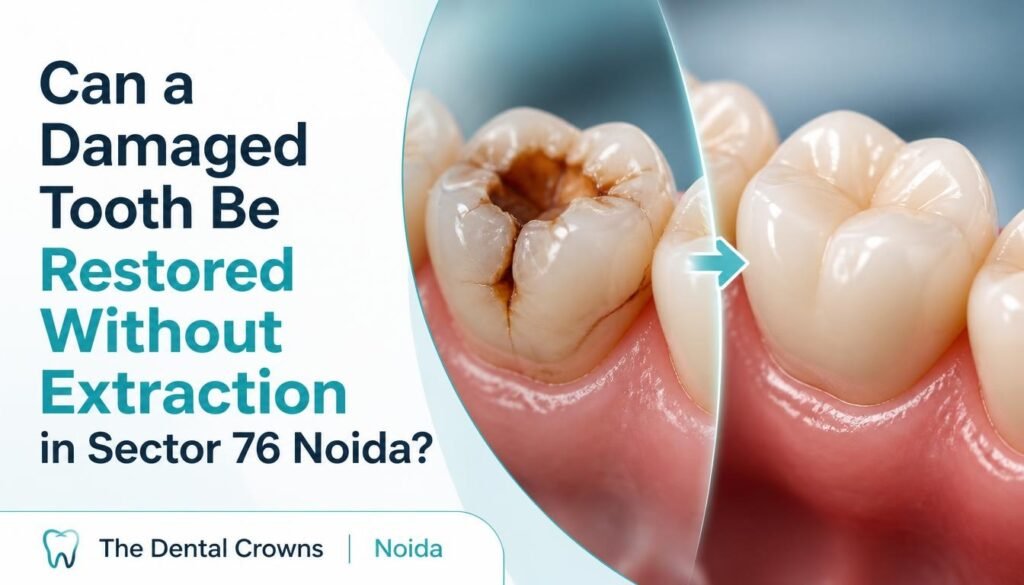
In many cases, the purpose of endodontic surgery is to preserve a natural tooth that might otherwise require extraction.
Saving a natural tooth can help maintain normal chewing function and avoid the need for certain tooth replacement procedures.
However, not every tooth is suitable for surgical treatment. If a tooth has extensive structural damage, a severe fracture, or inadequate supporting tissues, extraction or alternative treatment may be considered.
The decision depends on the condition of the tooth, surrounding bone, gum health, and overall oral health.
Is a Dental Crown Required After Root Canal Treatment?
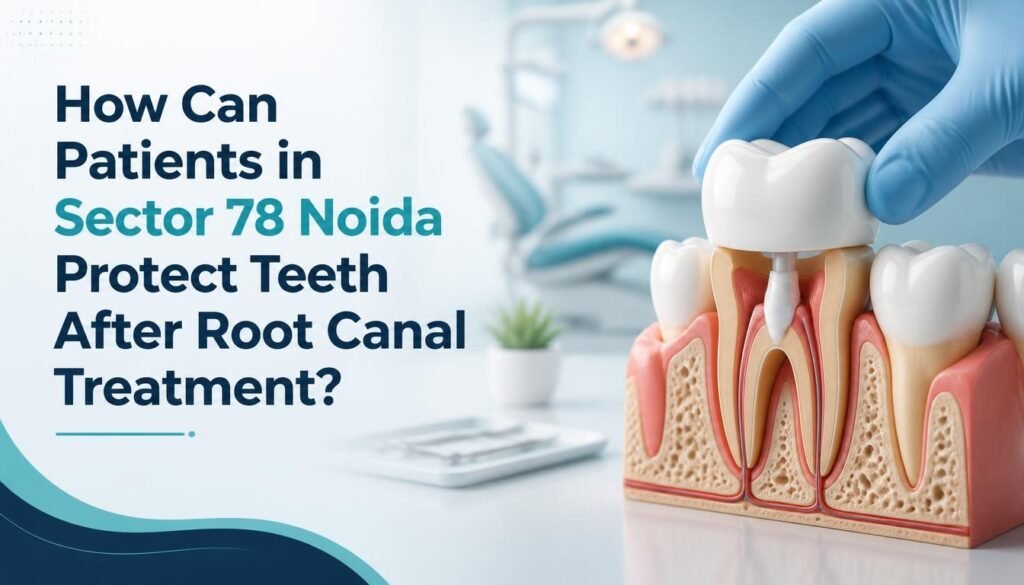
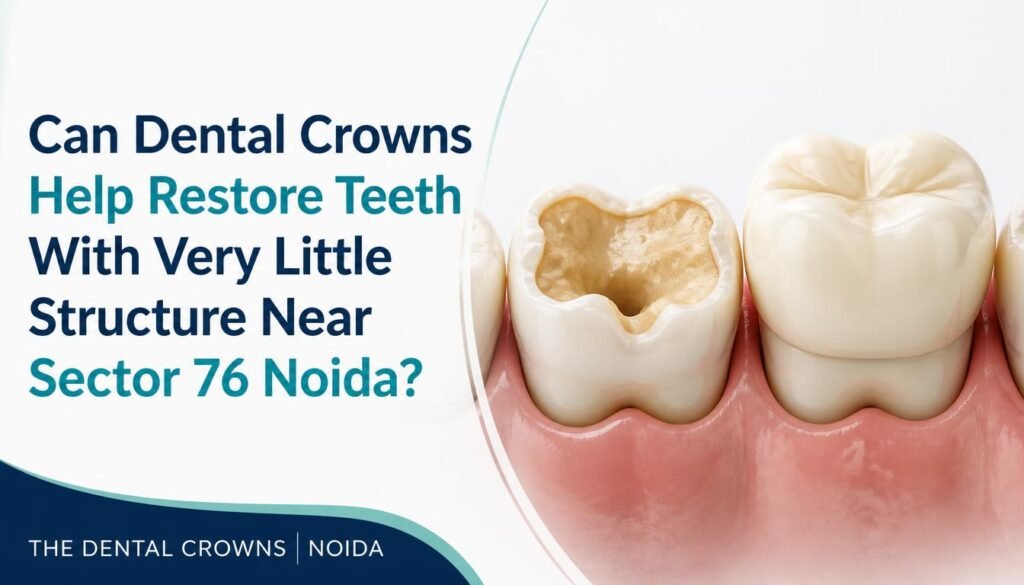
A dental crown may be recommended after root canal treatment if the tooth has lost significant structure due to decay, fracture, or previous dental procedures.
A crown helps cover and protect the remaining tooth structure while restoring its shape and function.
However, a crown is not automatically required for every tooth. The appropriate restoration depends on the tooth’s location, remaining structure, and clinical assessment.
Explore our guide on Dental Crown Treatment Near Noida Sector 76 to learn more.
Why Choose a Dental Clinic Near Sector 76 Noida for Root Canal Treatment?
Choosing a dental clinic involves more than finding a nearby location. Proper diagnosis, treatment planning, hygiene practices, patient communication, and follow-up care are important considerations.
Patients looking for root canal treatment near Sector 76 Noida may consider:
- A thorough dental examination before treatment
- Clear explanations of the diagnosis and treatment options
- Appropriate dental imaging when needed
- Modern diagnostic and treatment techniques
- A comfortable and patient-focused approach
- Suitable restoration and follow-up planning
The Dental Crowns is located at Civitech Stadia, Sector 79, Noida, making it a nearby dental care option for patients from Sector 76 and surrounding areas.
The clinic offers root canal treatment, dental crowns, dental implants, and other dental services.
You can also explore our complete range of dental services to understand the available treatment options.
Root Canal Surgery Near Sector 76 Noida: When Should You Book a Consultation?
You should consider a dental consultation if you have persistent tooth pain, recurring swelling, a previously treated tooth that has become uncomfortable, or symptoms that interfere with chewing.
Early evaluation may help identify the problem before it becomes more complicated.
If you are searching for root canal surgery near Sector 76 Noida, The Dental Crowns can help you understand your dental condition and discuss suitable treatment options following an examination.
Book a dental consultation today to get your tooth evaluated and receive a treatment plan based on your individual needs.
Frequently Asked Questions (FAQs)
1. When is root canal surgery recommended?
Root canal surgery may be recommended when conventional root canal treatment has not resolved an infection, when persistent inflammation develops around the root tip, or when a specific root-related problem requires surgical treatment.
2. Is root canal surgery different from normal root canal treatment?
Yes. Conventional root canal treatment involves cleaning and sealing the canals from inside the tooth. Root canal surgery may involve accessing the root through the gum tissue to treat the affected area around the root tip.
3. Can root canal surgery be performed near Sector 76 Noida?
Patients from Sector 76 Noida can consult dental clinics in nearby sectors for evaluation and treatment planning. The Dental Crowns is located in Sector 79, Noida, and provides root canal treatment and other dental services.
4. Does root canal surgery require multiple appointments?
The number of appointments depends on the complexity of the procedure, the condition of the tooth, and the healing process. Your dentist will explain the expected treatment schedule.
5. Is extraction necessary if a root canal fails?
Not always. Depending on the cause of the persistent infection, retreatment or endodontic surgery may be considered to preserve the natural tooth. However, extraction may be necessary in certain cases.
6. How can I prevent the need for root canal treatment?
Maintaining good oral hygiene, brushing twice daily with fluoride toothpaste, cleaning between teeth, attending regular dental check-ups, and treating cavities early may help reduce the risk of dental problems that affect the pulp.
7. Where can I get root canal treatment near Sector 76 Noida?
The Dental Crowns, located at Civitech Stadia, Sector 79, Noida, offers root canal treatment and other dental services for patients from Sector 76 and nearby areas. Contact the clinic to schedule an examination and discuss your treatment needs.