

A bright, white smile can boost confidence and make a positive impression. However, teeth can gradually lose their natural brightness due to ageing, coffee, tea, tobacco, certain foods, and plaque accumulation. If you are looking for a faster way to improve your smile, you may have come across laser-assisted teeth whitening.
But what exactly is laser-assisted teeth whitening, and is it really effective?
Laser-assisted teeth whitening is a professional cosmetic dental procedure that uses a whitening agent, usually containing hydrogen peroxide, along with a laser or specialised light source as part of the treatment process. It is designed to reduce stains and improve the appearance of natural teeth under professional supervision.
In this guide, we will explain how laser-assisted teeth whitening works, its benefits, possible side effects, effectiveness, and who can consider this treatment.
What Is Laser-Assisted Teeth Whitening?
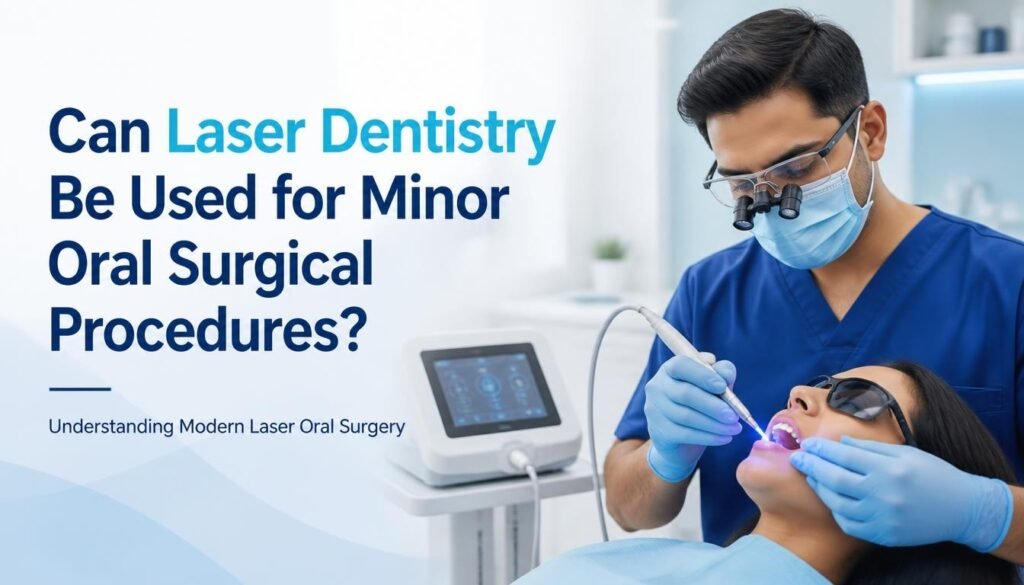
Laser-assisted teeth whitening is a cosmetic dental procedure in which a dentist applies a professional whitening gel to the teeth and may use a specific laser wavelength to activate or accelerate the whitening process.
The whitening gel contains bleaching ingredients that help break down stain molecules responsible for discolouration. Depending on the treatment system, the laser may interact with the gel to support the whitening process.
Unlike regular toothpaste or over-the-counter whitening products, professional laser-assisted whitening is performed in a dental clinic after examining the patient’s teeth and gums.
It is important to understand that the whitening effect primarily comes from the bleaching agent, not simply from the laser itself. Scientific evidence has not consistently established that laser activation produces significantly better final whitening results than conventional professional bleaching.
How Does Laser-Assisted Teeth Whitening Work?
The treatment typically involves several carefully performed steps.
1. Dental Examination
Before starting the procedure, the dentist examines your teeth and gums to identify cavities, gum disease, existing restorations, and the possible causes of discolouration.
This evaluation helps determine whether teeth whitening is appropriate for your dental condition.
2. Professional Teeth Cleaning
If required, the dentist may recommend professional cleaning to remove plaque, tartar, and surface stains.
Clean teeth provide a better starting point for evaluating the whitening results.
3. Protection of Gums and Soft Tissues
The dentist carefully protects the gums, lips, and surrounding soft tissues before applying the whitening agent.
This step is important because professional bleaching gels can irritate soft tissues if they come into contact with them.
4. Application of Whitening Gel
A professional whitening gel containing hydrogen peroxide or another suitable bleaching ingredient is applied to the teeth.
The concentration and application time depend on the product being used and the dentist’s treatment plan.
5. Laser or Light Activation
A specific laser device may be directed towards the teeth according to the manufacturer’s recommended protocol.
The laser or light may help activate certain whitening formulations. However, not every whitening system requires light activation, and laser-assisted treatment is not automatically more effective than conventional bleaching.
6. Evaluation of Results
After the prescribed application period, the dentist removes the whitening gel and evaluates the change in tooth shade.
Depending on the initial tooth colour and the treatment protocol, additional applications or sessions may be recommended.
Is Laser-Assisted Teeth Whitening Effective?
Yes, professional teeth whitening can be effective in reducing tooth discolouration and making natural teeth appear brighter. However, laser activation does not consistently produce better whitening results than conventional professional bleaching.
The Canadian Dental Association also notes that available literature does not establish that power- or light-assisted bleaching produces whiter teeth, although these methods may accelerate the whitening process in some circumstances.
Therefore, the effectiveness of your treatment depends on several factors:
- The original colour and condition of your teeth
- The type and concentration of whitening agent
- The cause of tooth discolouration
- The treatment protocol followed by the dentist
- Your oral hygiene habits and lifestyle
- Whether the stains are external or internal
For the best outcome, consult a qualified dentist who can recommend an appropriate whitening method based on your individual needs.
Benefits of Laser-Assisted Teeth Whitening
Professional laser-assisted teeth whitening may offer several advantages when performed correctly.
1. Noticeably Brighter Teeth
The bleaching agent helps break down stain molecules, improving the appearance of discoloured natural teeth.
2. Professional Supervision
The procedure is performed by a dental professional who can assess oral health, select the appropriate whitening method, and monitor the treatment.
3. Convenient In-Office Treatment
Professional whitening is often completed in a dental appointment, making it a convenient option for people seeking cosmetic improvement without a prolonged home-treatment routine.
4. Personalised Treatment
The dentist can adjust the whitening protocol depending on the patient’s existing tooth shade, sensitivity, and cosmetic goals.
5. Improved Smile Appearance
Reducing visible stains may help patients feel more confident about their smile and appearance.
6. Targeted Cosmetic Improvement
Professional whitening focuses on improving the colour of natural teeth without requiring invasive cosmetic procedures in suitable cases.
Laser-Assisted Teeth Whitening vs. Conventional Teeth Whitening
Many patients wonder whether laser-assisted whitening is better than traditional professional teeth whitening.
| Feature | Laser-Assisted Whitening | Conventional Professional Whitening |
|---|---|---|
| Whitening agent | Professional bleaching gel | Professional bleaching gel |
| Laser/light | Used in selected protocols | Generally not required |
| Treatment setting | Dental clinic | Dental clinic or dentist-prescribed home treatment |
| Whitening results | Can brighten natural teeth | Can also effectively brighten natural teeth |
| Treatment duration | Depends on the protocol | Depends on the protocol |
| Sensitivity | Possible | Possible |
| Additional laser benefit | Not consistently established | Not applicable |
Which is better?
There is no universally superior method for every patient. The right choice depends on your tooth condition, the type of stains, your sensitivity level, and the dentist’s assessment.
Who Is a Suitable Candidate for Laser-Assisted Teeth Whitening?
Laser-assisted or professional teeth whitening may be suitable for adults who:
- Have yellow or stained natural teeth
- Experience discolouration from tea, coffee, or certain foods
- Have age-related tooth discolouration
- Want to improve their smile’s appearance
- Have healthy teeth and gums
- Understand the possible limitations of cosmetic whitening
However, whitening may not be suitable for everyone.
Who Should Avoid or Postpone Teeth Whitening?
Your dentist may recommend postponing whitening if you have:
- Untreated cavities
- Active gum disease
- Significant tooth sensitivity
- Cracked or damaged teeth
- Exposed tooth roots
- Oral infections or inflammation
Pregnant or breastfeeding patients should discuss elective whitening with their dentist before proceeding.
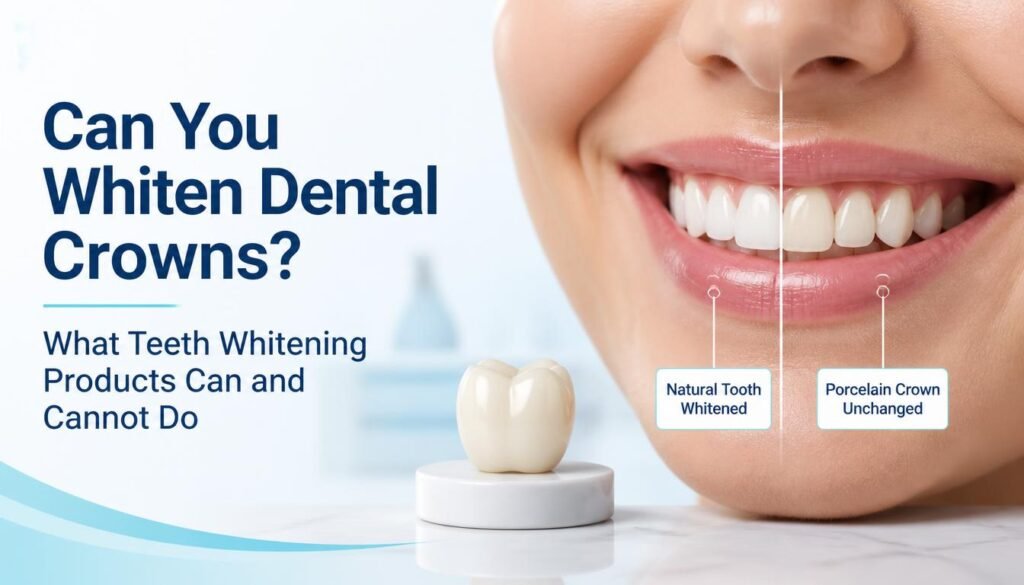
People with crowns, veneers, fillings, or other tooth-coloured restorations should also understand that whitening agents do not change the colour of these restorations in the same way they change natural teeth.
What Are the Side Effects of Laser-Assisted Teeth Whitening?
Professional teeth whitening is generally considered safe when performed appropriately, but some temporary side effects may occur.
Tooth Sensitivity
Some patients experience temporary sensitivity to cold, hot, or sweet foods and drinks after whitening.
Gum Irritation
Whitening gel may cause irritation if it comes into contact with the gums or other soft tissues.
Uneven Whitening
Existing restorations, intrinsic stains, and variations in natural tooth colour can affect the final appearance.
Temporary Discomfort
Some patients may experience mild discomfort during or after the treatment.
Thermal Concerns
Laser activation requires appropriate settings and professional handling. Excessive energy or inappropriate application may create unwanted heat.
If sensitivity or irritation persists, contact your dentist instead of repeating whitening treatments on your own.
How Long Do Laser Teeth Whitening Results Last?
The results of professional teeth whitening vary from person to person.
With proper oral hygiene and lifestyle habits, whitening results may last for several months or longer. However, teeth can gradually become stained again due to:
- Frequent consumption of tea and coffee
- Smoking or tobacco use
- Pigmented foods and beverages
- Inadequate oral hygiene
- Natural ageing
To maintain your results, brush twice daily with fluoride toothpaste, floss regularly, avoid frequent exposure to staining substances, and visit your dentist for routine check-ups.
Your dentist can advise whether maintenance whitening is appropriate and how frequently it should be considered.
Is Laser-Assisted Teeth Whitening Better Than Home Whitening?
Both professional and dentist-supervised home whitening can improve the appearance of natural teeth.
Professional in-office whitening offers the advantage of dental supervision, assessment of oral health, and controlled application of bleaching agents.
Home whitening products may be more convenient for some people but can take longer to produce visible results. Improper use of whitening products may also increase the risk of sensitivity and gum irritation.
The best option depends on your budget, dental condition, desired results, and personal preferences.
Avoid unverified whitening products, excessive bleaching, or DIY remedies that may damage your teeth and gums.
How Much Does Laser-Assisted Teeth Whitening Cost in Noida?
The cost of laser-assisted teeth whitening in Noida can vary depending on several factors:
- The type of laser or whitening technology used
- The whitening gel and treatment protocol
- The number of sessions required
- The severity and cause of tooth discolouration
- The dental clinic and professional expertise
There is no single fixed price for every patient.
If you are considering teeth whitening in Noida, a dental consultation is the best way to understand your treatment options and receive an estimate based on your individual requirements.
Why Choose The Dental Crowns for Teeth Whitening in Noida?
At The Dental Crowns, we understand that every smile is unique. Our approach to cosmetic dentistry focuses on evaluating your dental health and helping you choose an appropriate treatment for your smile goals.
Our clinic offers professional dental services, including cosmetic dentistry and laser dentistry, with an emphasis on personalised treatment planning and patient care.
If you are exploring laser-assisted teeth whitening, our dental team can help you understand the available options, expected outcomes, and precautions before beginning treatment.
Whether you are looking to improve tooth discolouration or explore cosmetic dental treatments, we are here to help you make an informed decision.
Book a dental consultation at The Dental Crowns, Noida, to discuss your teeth whitening options.
Frequently Asked Questions (FAQs)
1. What is laser-assisted teeth whitening?
Laser-assisted teeth whitening is a professional cosmetic dental procedure that combines a bleaching gel with a specific laser or light source in selected treatment protocols to improve the colour of natural teeth.
2. Is laser-assisted teeth whitening really effective?
Professional teeth whitening is effective in reducing many types of tooth stains. However, scientific evidence does not consistently show that laser activation provides significantly better final whitening results than conventional professional bleaching.
3. Is laser teeth whitening painful?
The procedure is generally well tolerated, but some patients may experience temporary tooth sensitivity or gum irritation. Your dentist can assess your sensitivity and recommend appropriate precautions.
4. How long does laser teeth whitening take?
The duration depends on the whitening system, the number of applications, and your individual treatment plan. Your dentist can explain the expected appointment duration before treatment.
5. How many shades whiter can teeth become?
The change in tooth shade varies according to the original tooth colour, the cause of discolouration, and the whitening protocol. Results cannot be guaranteed to be identical for every patient.
6. Does laser teeth whitening damage enamel?
When professional whitening is performed using appropriate products and protocols, it is generally considered safe. However, inappropriate application, excessive treatment, or high-energy laser settings may increase risks. Always consult a qualified dentist.
7. Can yellow teeth become white with laser treatment?
Many yellow or stained natural teeth can become noticeably brighter with professional bleaching. However, the results depend on the type and cause of discolouration.
8. Is laser teeth whitening permanent?
No. Teeth may gradually become stained again over time. Good oral hygiene and lifestyle habits can help maintain the results for longer.
9. Can I get laser teeth whitening if I have dental crowns?
Whitening agents do not change the colour of dental crowns in the same way they change natural teeth. Your dentist should evaluate existing restorations to help avoid uneven colour matching.
10. Where can I get professional teeth whitening in Noida?
You can consult The Dental Crowns in Noida to discuss professional teeth whitening, evaluate your oral health, and explore suitable cosmetic dental treatment options.
Conclusion
Laser-assisted teeth whitening is a professional cosmetic treatment that can help improve the appearance of stained or discoloured natural teeth. While it may offer a convenient in-office whitening experience, current scientific evidence does not consistently establish that laser activation produces better final whitening results than conventional professional bleaching.
The most important factors are the cause of discolouration, the whitening agent, appropriate treatment protocols, and professional dental supervision.
If you are considering laser-assisted teeth whitening in Noida, consult the team at The Dental Crowns to understand your options and determine which approach is appropriate for your smile.
Ready to explore a brighter smile? Book your consultation with The Dental Crowns today.
References and Outbound Links