A healthy smile is not just about having white and attractive teeth. It is also about maintaining proper chewing ability, comfortable biting, healthy gums and overall oral function. However, extensive tooth decay, broken teeth, severe tooth wear, missing teeth and old dental restorations can affect several teeth at the same time.
In such situations, treating individual teeth may not be enough. A comprehensive dental approach known as full mouth dental crown rehabilitation may be considered to restore the appearance, strength and functionality of multiple damaged teeth.
But what exactly is full mouth dental crown rehabilitation? Who needs it, how does the treatment work, and what benefits can patients expect?
Let’s understand everything you need to know about full mouth dental rehabilitation and how modern restorative dentistry can help rebuild a healthy, functional smile.
What Is a Full Mouth Dental Crown Rehabilitation?
Full mouth dental crown rehabilitation is a comprehensive restorative dental treatment designed to rebuild and restore multiple damaged, weakened, worn-out or severely decayed teeth using dental crowns and other suitable restorative procedures.
It is often part of a broader treatment approach called full mouth rehabilitation or full mouth reconstruction.
The main objective is to restore:
- Proper chewing and biting functionality.
- The natural shape and appearance of teeth.
- A balanced and comfortable bite.
- Protection for weakened or damaged teeth.
- Overall dental health and smile aesthetics.
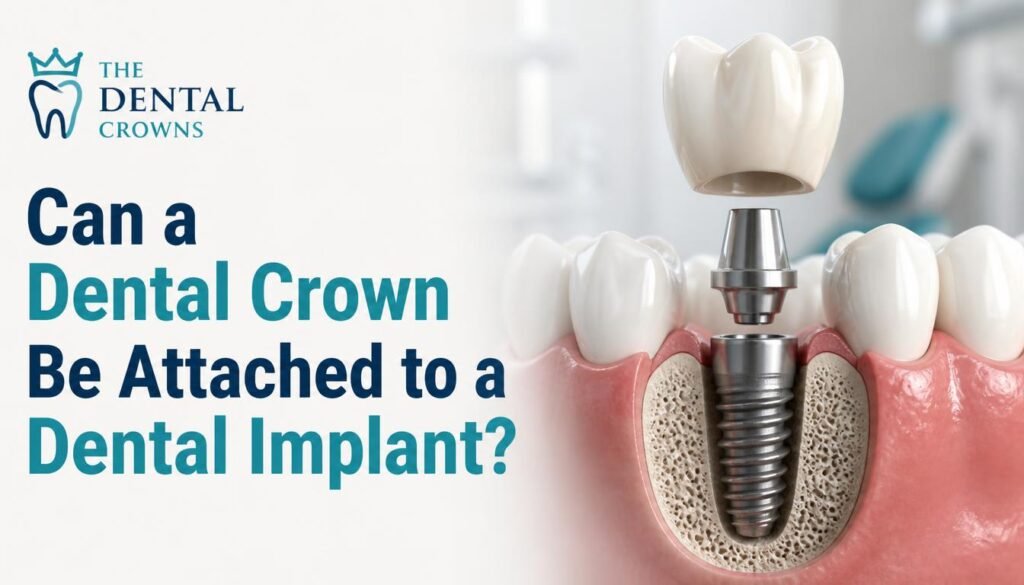
Depending on the patient’s dental condition, treatment may involve dental crowns, bridges, dental implants, veneers, fillings, root canal treatment or other restorative procedures.
It is important to understand that full mouth rehabilitation does not necessarily mean placing crowns on every tooth. The dentist carefully evaluates each tooth and recommends only the treatments that are clinically required.
Who Needs Full Mouth Dental Crown Rehabilitation?
Not everyone needs full mouth rehabilitation. It is generally recommended for individuals experiencing extensive dental problems that affect several teeth or their overall bite.
Here are some common situations in which a dentist may consider this treatment.
1. Severely Worn-Out Teeth
Teeth can gradually wear down due to ageing, teeth grinding (bruxism), acid erosion or other dental conditions.
Severe tooth wear may change the natural shape of teeth, affect chewing efficiency and sometimes alter the bite. Dental crowns may be considered to rebuild and protect suitable teeth.
2. Multiple Broken or Damaged Teeth
Accidents, injuries, extensive decay and weakened tooth structures can cause multiple teeth to crack, fracture or break.
When a tooth cannot be adequately restored with a regular filling, a dental crown may help cover and protect the remaining tooth structure.
3. Extensive Tooth Decay
Untreated cavities can gradually destroy a significant amount of natural tooth structure.
If several teeth have extensive decay, a comprehensive treatment plan may be necessary. Depending on the severity, treatment could include fillings, root canal treatment and dental crowns.
4. Multiple Missing Teeth
Missing teeth can affect chewing, speech and the alignment of neighbouring teeth.
Depending on the available bone, gum health and surrounding teeth, dental implants, implant-supported crowns, bridges or dentures may be included in a full mouth rehabilitation plan.
5. Failed or Old Dental Restorations
Old crowns, bridges and large fillings may become damaged, loose or unsuitable over time.
When multiple restorations require replacement, the dentist may evaluate the entire mouth and plan a comprehensive rehabilitation.
What Is the Procedure for Full Mouth Dental Crown Rehabilitation?
Full mouth dental rehabilitation is not a single procedure. It involves several stages, and the treatment plan varies according to the patient’s oral health and individual requirements.
Step 1: Comprehensive Dental Examination
The first step involves a detailed examination of the teeth, gums, bite and jaw function.
The dentist may recommend dental X-rays, photographs, digital scans or other diagnostic investigations to understand the condition of the teeth and supporting structures.
This evaluation helps identify damaged teeth, missing teeth, gum problems and existing restorations that may require attention.
Step 2: Personalised Treatment Planning
After the examination, the dentist develops a treatment plan based on the patient’s dental condition.
The plan may include:
- Dental crowns for severely weakened teeth.
- Root canal treatment for teeth with infected or damaged pulp.
- Dental implants for suitable missing-tooth cases.
- Dental bridges to replace missing teeth.
- Gum treatment where necessary.
- Other restorative procedures to improve bite and function.
The objective is to establish a predictable treatment sequence while preserving healthy natural tooth structure wherever possible.
Step 3: Preparing the Teeth
If dental crowns are required, the dentist prepares the affected teeth by carefully reshaping them to create sufficient space for the restorations.
If a tooth needs root canal treatment or additional structural support, that treatment is completed as appropriate.
Step 4: Digital Scanning or Dental Impressions
After tooth preparation, the dentist records the shape and position of the prepared teeth using conventional impressions or digital scanning.
These records help the dental laboratory design crowns that fit the prepared teeth and work with the patient’s bite.
Step 5: Temporary and Permanent Crown Placement
Temporary crowns may be placed to protect prepared teeth while the final restorations are being fabricated.
Once the permanent crowns are ready, the dentist checks their fit, appearance, contacts and bite before cementing them in place.
Step 6: Bite Evaluation and Final Adjustments
Proper bite alignment is an important part of full mouth rehabilitation.
The dentist checks how the upper and lower teeth meet during biting and chewing. Necessary adjustments are made to improve comfort and avoid excessive pressure on individual restorations.
Step 7: Follow-Up and Maintenance
Regular dental check-ups are essential after rehabilitation.
The dentist monitors the crowns, gums, bite and overall oral health to identify any potential problems early.
What Types of Dental Crowns Are Used in Full Mouth Rehabilitation?
The choice of dental crown depends on the location of the tooth, chewing forces, aesthetic requirements, available tooth structure and the patient’s budget.
Some commonly used options include:
1. Zirconia Dental Crowns
Zirconia crowns are made from a strong ceramic material and are commonly considered for both front and back teeth.
They offer good strength and can provide natural-looking results when appropriately designed.
2. Porcelain-Fused-to-Metal (PFM) Crowns
These crowns combine a metal framework with a porcelain outer layer.
They provide structural strength along with an aesthetic appearance, although the metal underneath may sometimes become visible near the gumline.
3. All-Ceramic Crowns
All-ceramic crowns are metal-free restorations that can provide excellent aesthetics.
They are often considered for visible teeth where matching the natural appearance of surrounding teeth is important.
The final selection should be based on a professional dental evaluation rather than appearance alone.
What Are the Benefits of Full Mouth Dental Crown Rehabilitation?
When appropriately planned and clinically indicated, full mouth rehabilitation can offer several benefits.
Improved chewing ability: Restoring damaged teeth can help improve the ability to bite and chew food comfortably.
Protection for weakened teeth: Dental crowns cover and protect teeth that have lost substantial natural structure.
Better smile appearance: Custom-designed restorations can improve the shape, colour and overall appearance of damaged teeth.
Improved bite coordination: Comprehensive treatment planning can help establish more balanced contacts between the upper and lower teeth.
Replacement of missing teeth: Implants, bridges and other restorations can help restore gaps in the dental arch.
Better oral function: Treating multiple dental problems together can improve overall dental comfort and functionality.
The results depend on the patient’s initial oral health, treatment requirements, restoration quality and long-term maintenance.
How Long Does Full Mouth Dental Rehabilitation Take?
The treatment duration depends on the number of affected teeth, the complexity of the case and the procedures required.
A patient who needs only multiple dental crowns may complete treatment sooner than someone who also requires root canal treatment, dental implants, gum treatment or other surgical procedures.
In some cases, treatment may take several weeks, while more complex rehabilitation plans can require several months.
Your dentist can provide a more realistic timeline after completing the examination and preparing a personalised treatment plan.
How Much Does Full Mouth Dental Crown Rehabilitation Cost in Noida?
The cost of full mouth dental crown rehabilitation in Noida varies from patient to patient.
There is no single fixed price because the total cost depends on several factors, including:
- Number of teeth requiring restoration.
- Type and material of dental crowns.
- Whether root canal treatment is necessary.
- Requirement for dental implants or bridges.
- Complexity of bite correction.
- Additional gum or restorative procedures.
For an accurate estimate, a dental examination is necessary. A dentist can explain the treatment options, expected number of appointments and approximate overall cost before starting the procedure.
How to Maintain Your Dental Crowns After Full Mouth Rehabilitation
Proper oral hygiene and regular dental visits are important for maintaining dental crowns and protecting the natural teeth underneath them.
Follow these recommendations:
- Brush your teeth twice daily using a fluoride toothpaste.
- Clean between your teeth every day using dental floss or suitable interdental aids.
- Avoid chewing extremely hard objects that may damage restorations.
- If you grind or clench your teeth, ask your dentist whether a night guard is appropriate.
- Attend regular dental check-ups and professional cleaning appointments.
- Contact your dentist if a crown becomes loose, cracks or causes persistent discomfort.
Remember that crowns do not make the underlying teeth immune to decay. The margins around restorations and the surrounding gums still require proper care.
Where Can You Get Full Mouth Dental Rehabilitation in Noida?
Choosing the right dental professional is an important part of successful full mouth rehabilitation.
At The Dental Crowns, located at Civitech Stadia, Sector 79, Noida, patients can consult an experienced dental team for restorative and comprehensive dental care.
The clinic is led by Dr. Anubhav Kesari (BDS, MDS), Associate Professor, Maxillofacial Prosthodontist and Oral Implantologist.
Patients can discuss their dental concerns, understand available restorative options and receive a treatment plan based on their individual oral health requirements.
Whether you are experiencing severely worn teeth, multiple damaged teeth, missing teeth or problems with existing dental crowns, a professional evaluation can help determine the most appropriate treatment.
Book a dental consultation at The Dental Crowns and take the first step towards restoring your smile.
Website: https://thedentalcrowns.in/
Phone: +91 89202 71787
Location: Civitech Stadia, Sector 79, Noida, Uttar Pradesh.
Frequently Asked Questions (FAQs)
1. What is the difference between full mouth rehabilitation and dental crown treatment?
Dental crown treatment generally involves placing a crown over an individual damaged or weakened tooth. Full mouth rehabilitation is a comprehensive treatment approach that may involve multiple crowns and other procedures to restore the overall function and appearance of the mouth.
2. Is full mouth dental rehabilitation painful?
The procedure is generally performed using appropriate local anaesthesia when required. Patients may experience temporary sensitivity or discomfort after certain treatments. The experience varies depending on the procedures involved.
3. Does full mouth rehabilitation mean getting crowns on all teeth?
No. Full mouth rehabilitation does not automatically require crowns on every tooth. Only teeth that need restorative treatment should receive crowns, while healthy teeth should be preserved wherever possible.
4. How long do dental crowns last after full mouth rehabilitation?
The lifespan of dental crowns varies according to the material, bite forces, oral hygiene and maintenance. Regular dental check-ups and proper care can help extend their lifespan.
5. Which dental crown is best for full mouth rehabilitation?
Zirconia, porcelain-fused-to-metal and all-ceramic crowns are among the available options. The most suitable material depends on the position of the teeth, functional requirements, aesthetic preferences and clinical assessment.
6. Can missing teeth be treated during full mouth rehabilitation?
Yes. Depending on the patient’s oral health and bone condition, missing teeth may be replaced using dental implants, bridges or dentures as part of the overall rehabilitation plan.
7. How much does full mouth rehabilitation cost in Noida?
The cost depends on the number of teeth involved, crown material, additional dental procedures and complexity of the case. A personalised consultation is required to determine the estimated cost.
8. Is full mouth rehabilitation suitable for older adults?
Age alone does not determine suitability. The patient’s general health, gum condition, bone support, remaining teeth and ability to maintain oral hygiene are important considerations.
Conclusion
Full mouth dental crown rehabilitation is a comprehensive approach to restoring damaged, worn-out or weakened teeth while improving chewing function, bite coordination and smile appearance.
From dental crowns and root canal treatment to bridges and implants, the treatment plan is designed according to the patient’s individual dental requirements.
If you are experiencing multiple dental problems, do not ignore them. A timely dental examination can help identify the underlying issues and determine whether full mouth rehabilitation is appropriate.
Visit The Dental Crowns in Sector 79, Noida, to discuss your restorative dental needs and explore suitable treatment options for a healthier, more functional smile.