
Missing a tooth can affect your ability to chew comfortably, speak clearly, and feel confident about your smile. Dental implants are one option for replacing missing teeth, but successful treatment involves much more than placing an implant in the jawbone. Careful diagnosis, assessment of bone and gum health, and personalised treatment planning are essential parts of the process.
If you live in Sector 76, Noida, and are considering dental implants, understanding the planning process can help you prepare for your consultation and make informed decisions about your oral health.
At The Dental Crowns, located in Sector 79, Noida, patients from Sector 76 and nearby areas can explore dental implant treatment and other tooth-replacement options with a dental professional.
What Is Dental Implant Planning?
Dental implant planning is the process of evaluating your oral health and determining how a missing tooth can be replaced safely and appropriately.
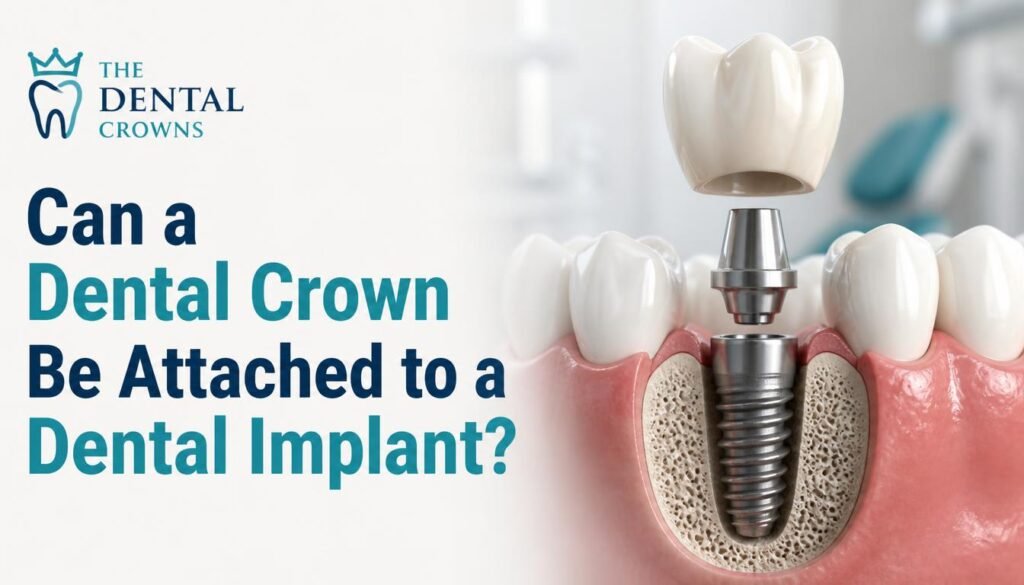
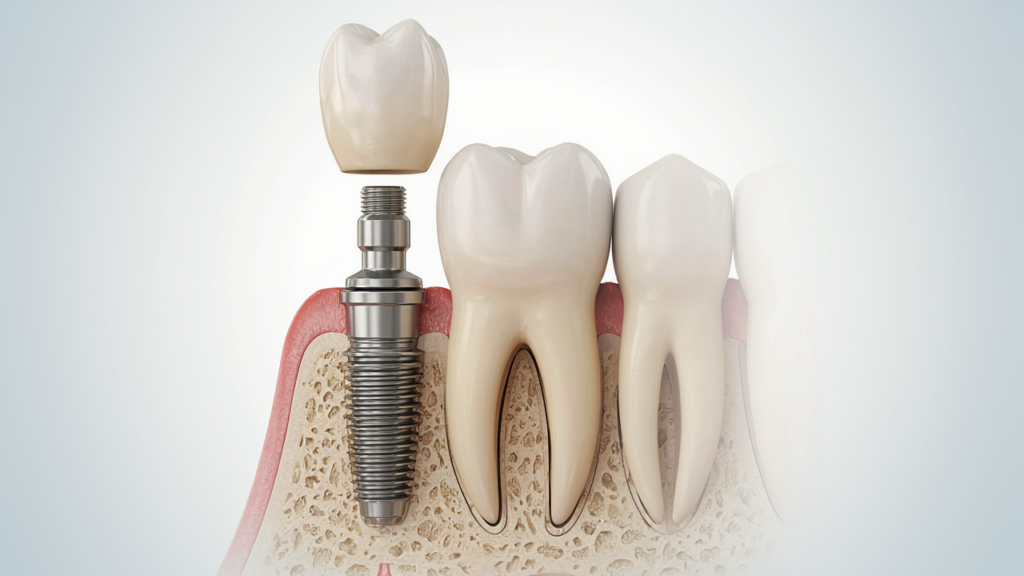
A dental implant is a small fixture, commonly made from titanium or another biocompatible material, that is placed in the jawbone to act as an artificial tooth root. After healing, it can support a dental crown, bridge, or denture, depending on the treatment required.
The planning process helps your dentist assess whether you are a suitable candidate, identify potential complications, determine the appropriate implant position, and plan the final replacement tooth.
For patients looking for dental implant planning near Sector 76 Noida, this assessment is an important first step before deciding on a treatment approach.
1. Initial Dental Consultation and Medical History
The first stage of dental implant planning is a detailed consultation.
Your dentist will ask about your missing tooth, how long it has been missing, any discomfort you experience, and your expectations from treatment. Your dental and medical history also helps the dentist identify factors that may influence healing.
Your consultation may include questions about:
- Previous dental procedures or tooth extractions
- Gum disease or recurring oral infections
- Diabetes and other relevant medical conditions
- Medicines you currently take
- Smoking or tobacco use
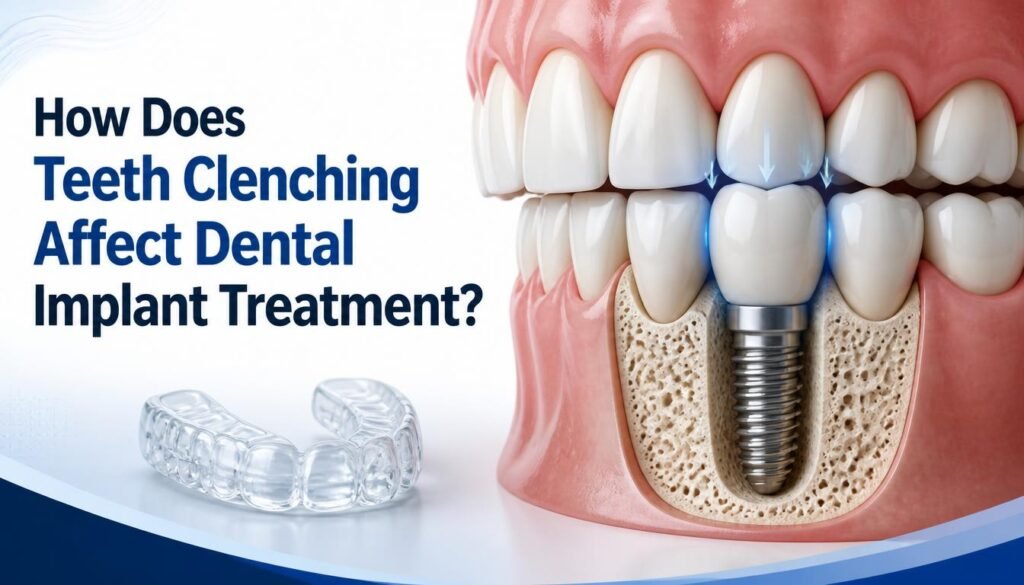
- Teeth grinding or clenching
- Your preferred replacement tooth and aesthetic expectations
These details help your dentist understand your individual needs and determine which examinations or investigations may be necessary.
Not everyone with a missing tooth will require exactly the same treatment. The final recommendation depends on your oral health, medical history, and clinical findings.
2. Examination of Your Teeth, Gums and Jawbone
After reviewing your medical history, your dentist will examine your mouth.
The assessment may include the condition of your gums, the neighbouring teeth, your bite, the space available for the replacement tooth, and the area where the implant may be placed.
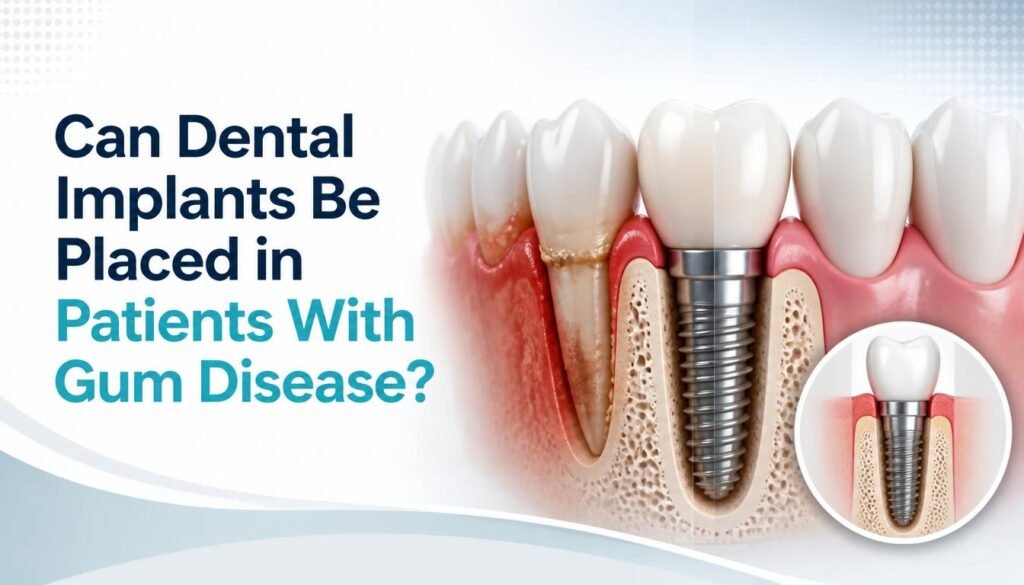
Healthy gums and sufficient supporting bone are important considerations in implant treatment. If gum disease, infection, or other oral health problems are present, these may need to be addressed before implant placement.
Your dentist will also assess the position of nearby teeth and how the replacement tooth should fit into your bite.
This stage helps determine whether an implant is appropriate and whether any additional treatment may be needed before proceeding.
3. Dental X-Rays and CBCT Scans for Implant Planning
Dental imaging helps your dentist assess structures that cannot be evaluated fully during a routine oral examination.
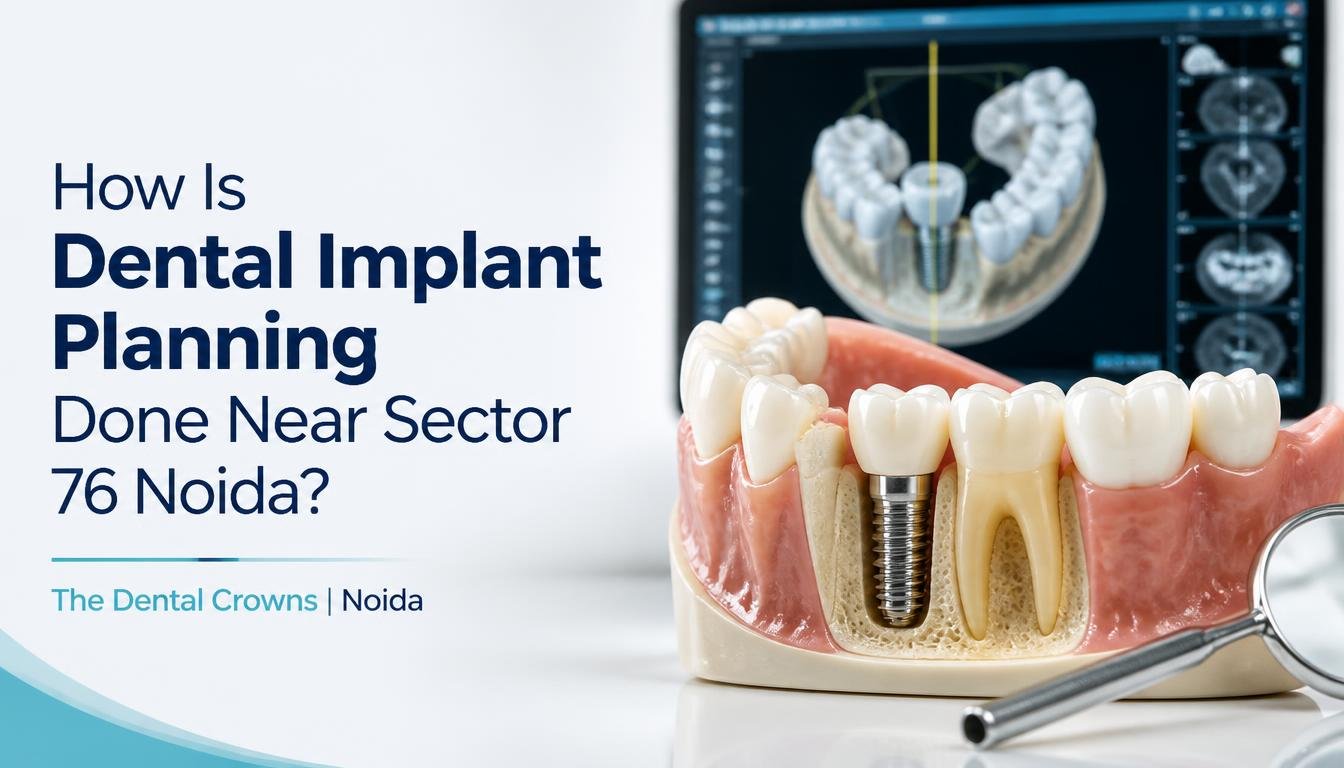
Depending on your case, your dentist may recommend conventional dental X-rays or a cone beam computed tomography (CBCT) scan.
A CBCT scan creates three-dimensional images of the teeth and jaw. It can help the dental team evaluate:
- The height and width of the available jawbone
- The shape of the jaw in the proposed implant area
- The position of important anatomical structures
- The relationship between the implant site and neighbouring teeth
- Potential anatomical challenges that may affect treatment
This information can help your dentist plan implant position and assess whether additional procedures might be required.
However, a CBCT scan is not automatically necessary for every patient. The appropriate imaging method depends on your clinical examination and the information needed to plan your treatment.
For more information, read the NHS guide to dental cone beam CT scans.
4. Checking Whether You Have Enough Jawbone
One of the most important parts of dental implant planning is assessing the bone available to support the implant.
When a tooth has been missing for a long time, the jawbone in that area may gradually change. Previous infections, gum disease, trauma, or tooth loss can also affect the amount and quality of available bone.
Your dentist will evaluate whether the proposed implant site has sufficient bone to support the planned restoration.
If the bone is insufficient, a bone graft or another preparatory procedure may sometimes be considered. Not every patient requires bone grafting, and the decision depends on the individual findings.
If additional treatment is recommended, your dentist should explain why it may be needed, the expected healing period, the associated risks, and the available alternatives.
5. Creating a Personalised Dental Implant Treatment Plan
Once the examination and necessary imaging are complete, your dentist can develop an individual treatment plan.
This plan may cover:
- The number of implants required
- The proposed implant position and size
- The type of replacement tooth
- Whether bone grafting or gum treatment is necessary
- The expected sequence of appointments
- The estimated treatment timeline
- The risks, benefits, and alternative treatments
- The expected costs and follow-up requirements
For example, replacing one missing tooth may require a single implant and a dental crown. Replacing several missing teeth may involve a different approach, such as multiple implants or an implant-supported bridge.
Your dentist should also explain whether a conventional dental bridge or removable denture might be a reasonable alternative for your situation.
The aim is to select an approach that considers your oral health, functional needs, aesthetic expectations, and long-term maintenance.
6. Planning the Implant Position and Final Crown
Dental implant planning is not limited to the jawbone. Your dentist must also consider how the final replacement tooth will look and function.
The implant position affects the space available for the crown, the way the teeth meet when you bite, and the ability to clean around the restoration.
The planned crown should fit comfortably with neighbouring teeth and support normal chewing as far as the individual case allows.
In selected cases, digital planning tools or guided implant techniques may be used to assist with positioning. Their suitability depends on the complexity of the case, the available technology, and the treating clinician’s judgement.
If you want to understand the restoration placed over an implant, explore our guide to dental crown treatment in Sector 76 Noida.
7. Understanding the Treatment Timeline
Dental implant treatment is usually completed in stages rather than in a single appointment.
A typical pathway may include:
- Consultation and clinical examination.
- Appropriate dental imaging and treatment planning.
- Treatment of existing oral health problems, if required.
- Bone grafting or other preparatory treatment, when indicated.
- Implant placement.
- A healing period to allow the implant to integrate with the jawbone.
- Placement of the abutment and final crown, bridge, or denture.
The timeline varies according to the patient’s bone health, implant location, healing response, and whether additional procedures are needed.
Some cases may progress more quickly than others. Your dentist should explain the anticipated stages and avoid promising a fixed completion date before assessing your condition.
Read our dental implant healing guide for patients near Sector 76 Noida to learn more about healing and aftercare.
8. Who May Be Suitable for Dental Implants?
Dental implants may be considered for adults with one or more missing teeth who want a fixed tooth-replacement option.
However, suitability cannot be determined by age or the presence of a missing tooth alone.
Your dentist will assess factors such as bone availability, gum health, general health, oral hygiene, smoking habits, and your ability to attend follow-up appointments.
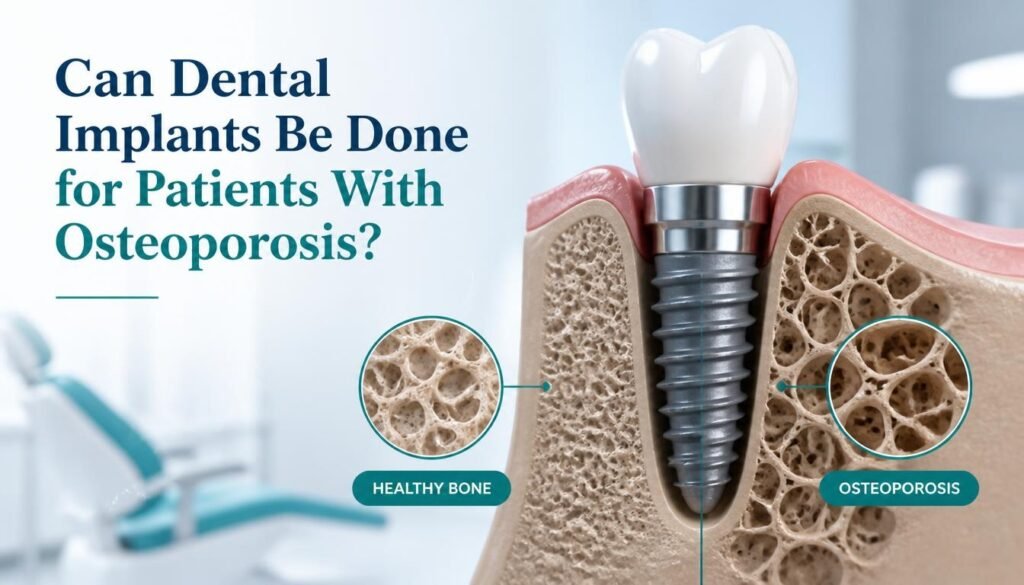
Certain medical conditions or medications may affect treatment planning or healing. They do not necessarily rule out implants, but they should be discussed with your dental professional before treatment.
Maintaining good oral hygiene and attending regular dental check-ups are important after implant placement because the tissues surrounding an implant can develop inflammation or disease.
For a broader overview, consult the NHS guide to dental implants.
9. How Much Does Dental Implant Planning Cost Near Sector 76 Noida?
The cost of implant planning depends on the examinations and investigations required for your particular case.
Your overall treatment estimate may include the consultation, dental imaging, implant components, surgical procedure, final crown, and any additional treatment that may be needed.
Bone grafting, treatment of gum disease, temporary teeth, and more complex restorations can affect the total cost.
Rather than relying on a generic online price, ask for an itemised treatment estimate after your examination. Confirm which procedures and follow-up appointments are included and whether any additional costs may arise.
The Dental Crowns can discuss the available treatment options with patients from Sector 76 and nearby areas of Noida following an appropriate clinical assessment.
10. Why Consider a Dental Implant Consultation Near Sector 76 Noida?
Choosing a dental clinic involves more than finding one close to home. It is important to understand the clinician’s qualifications, the diagnostic process, the treatment options available, the expected costs, and the arrangements for follow-up care.
The Dental Crowns is located at Civitech Stadia, Sector 79, Noida, making it an option to consider for patients travelling from Sector 76 and neighbouring sectors.
Before proceeding with implant treatment, consider asking:
- What is the condition of my jawbone and gums?
- Which imaging tests do I need, and why?
- Is bone grafting necessary in my case?
- What alternatives do I have to an implant?
- What is the expected treatment timeline?
- What will the complete treatment cost?
- How should I care for the implant after treatment?
Clear answers can help you understand your options and make a more informed decision.
Frequently Asked Questions
How is dental implant planning done near Sector 76 Noida?
The process generally includes a consultation, medical history review, examination of the teeth and gums, assessment of jawbone support, appropriate dental imaging, and a personalised treatment plan. The exact steps depend on your oral health and the complexity of the case.
Is a CBCT scan necessary before getting a dental implant?
Not necessarily for every patient. Your dentist may recommend CBCT imaging when three-dimensional information is needed to assess the jawbone and important anatomical structures. The imaging decision should be based on your individual clinical requirements.
What happens if I do not have enough jawbone for a dental implant?
Your dentist may discuss bone grafting or other treatment options if there is insufficient bone to support the planned implant. The appropriate approach depends on the location and amount of bone available, your health, and your treatment goals.
How long does dental implant treatment take?
Treatment may take several months because the implant often needs time to integrate with the jawbone before the final restoration is fitted. The duration depends on healing, bone quality, implant location, and whether additional procedures are required.
Can a dental implant replace a single missing tooth?
Yes. In suitable cases, a single implant can support an individual dental crown. Your dentist will evaluate the neighbouring teeth, available bone, gum health, and bite before recommending this option.
Is dental implant planning painful?
The planning stage usually involves a consultation and examination, with imaging when needed. These steps are generally straightforward. If a procedure is required, your dental professional can explain the expected discomfort, anaesthesia options, and recovery.
Where can I get a dental implant consultation near Sector 76 Noida?
The Dental Crowns, located in Sector 79, Noida, offers dental services including implant treatment. Patients from Sector 76 can contact the clinic to discuss their concerns and arrange an assessment.
Book a Dental Implant Consultation Near Sector 76 Noida
If you are considering replacing a missing tooth, begin with a professional dental examination rather than deciding on a procedure based on online information alone.
Careful planning can help identify the appropriate treatment options, assess the condition of your jawbone, and establish a realistic timeline for restoring your smile.
The Dental Crowns welcomes enquiries from patients in Sector 76 and nearby areas of Noida who want to learn more about dental implant treatment.
Contact the clinic to discuss your dental concerns and arrange a consultation.
Disclaimer: This article is intended for general educational purposes and does not replace an individual dental examination or professional medical advice.