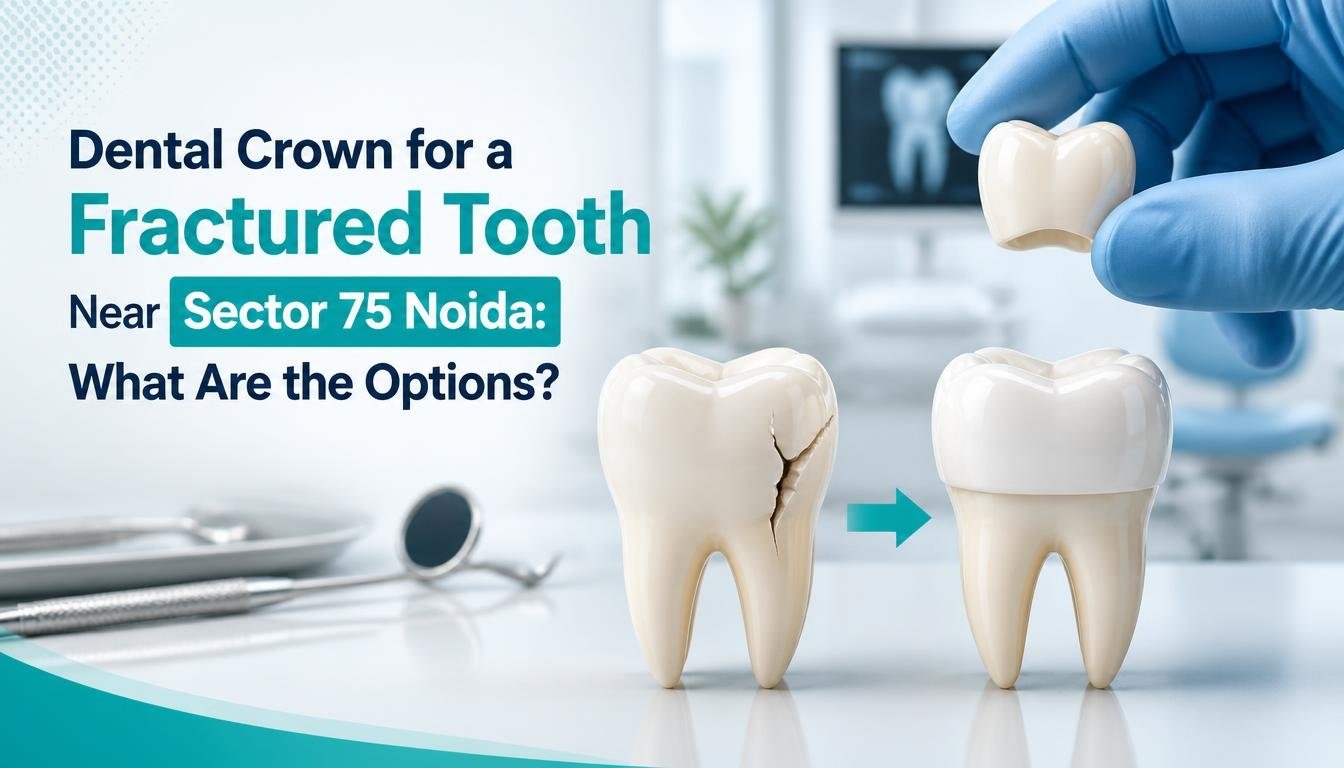
A fractured or broken tooth can be painful, uncomfortable, and concerning. Whether your tooth has chipped while eating something hard, cracked due to an accident, or broken because of untreated decay, getting timely dental care is important to protect your oral health.
If you are searching for a dental crown for a fractured tooth near Sector 75 Noida, you may be wondering whether your tooth can be saved, which treatment is suitable, and whether you will need a dental crown or root canal treatment.
The good news is that many fractured teeth can be restored with the right treatment. However, the best option depends on the location and severity of the fracture, the condition of the tooth’s inner pulp, and how much healthy tooth structure remains.
At The Dental Crowns, Sector 79, Noida, patients can consult dental professionals to understand their restorative treatment options and receive a treatment plan based on their individual dental needs.
What Is a Fractured Tooth?
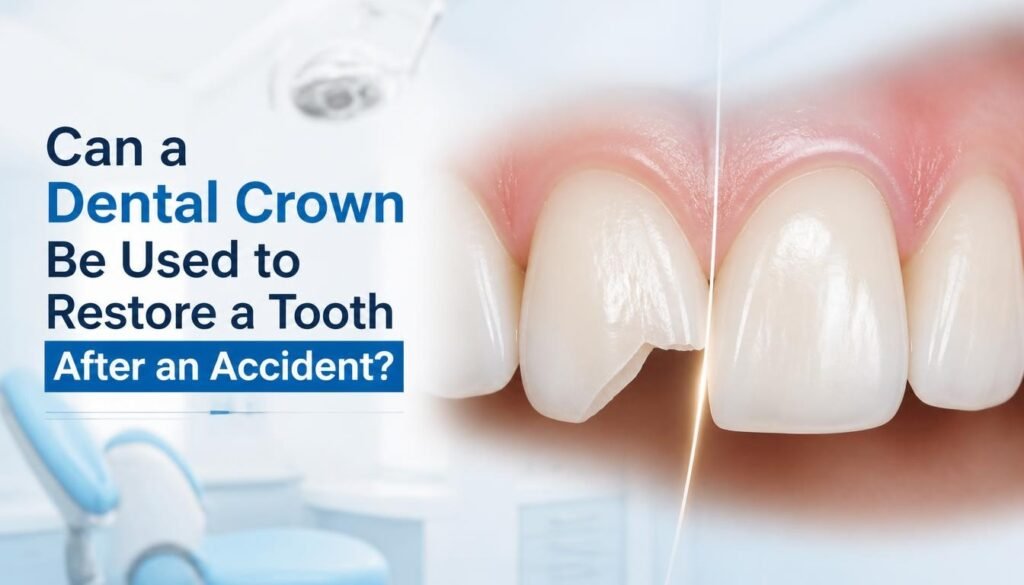
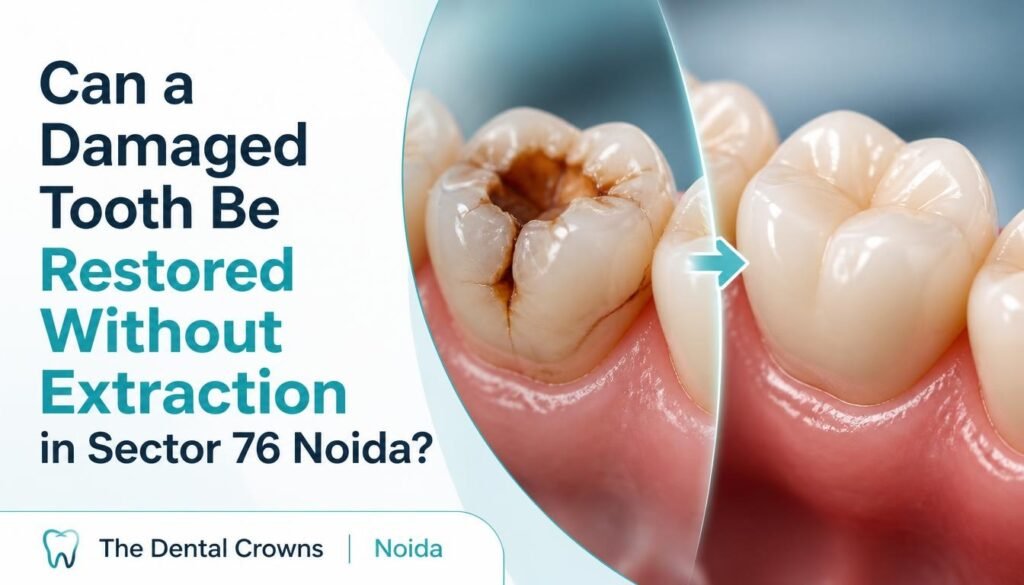
A fractured tooth is a tooth that has developed a crack, chip, or break in its structure. Fractures can affect the outer enamel, the underlying dentin, or the inner pulp containing nerves and blood vessels.
Common causes of a fractured tooth include:
- Biting down on hard foods such as ice, nuts, or hard candy
- Accidents, falls, or sports-related injuries
- Teeth weakened by extensive cavities
- Large or old dental fillings
- Teeth grinding or clenching
- Previous dental treatments that have weakened the tooth structure
Some fractures may be visible, while others can develop below the gumline or extend toward the root. Therefore, a professional dental examination is necessary to determine the extent of the damage.
What Are the Signs of a Fractured Tooth?
A fractured tooth does not always cause immediate or continuous pain. Some people experience occasional discomfort, while others notice symptoms only when chewing.
Common signs include:
- Sudden tooth pain while biting or chewing
- Sensitivity to hot, cold, or sweet foods
- A visible chip or crack in the tooth
- Sharp edges that irritate the tongue or cheek
- Pain that comes and goes
- Swelling or tenderness around the affected tooth
- Discomfort when releasing pressure after biting
If you experience these symptoms, avoid delaying your dental consultation. Early evaluation may help prevent further damage and improve the chances of preserving your natural tooth.
Can a Dental Crown Fix a Fractured Tooth?
Yes, a dental crown can be an effective treatment for certain fractured teeth, especially when a significant portion of the tooth has been damaged but the remaining structure and root are healthy enough to support restoration.
A dental crown, also known as a dental cap, is a custom-made covering that fits over the prepared tooth. It helps restore the tooth’s shape, strength, appearance, and chewing function.
A dentist may recommend a crown when:
- A large portion of the tooth has broken.
- The tooth has become weak due to extensive decay.
- A fracture has affected the chewing surface.
- The tooth has undergone root canal treatment.
- A large filling has weakened the remaining tooth structure.
However, not every fractured tooth requires a crown. Smaller fractures may be treated with dental bonding or a filling, while severe fractures extending deep into the root may require other treatment.
Dental Treatment Options for a Fractured Tooth Near Sector 75 Noida
The appropriate treatment depends on the severity of the fracture and the condition of the affected tooth.
1. Dental Bonding for Minor Tooth Fractures
Dental bonding may be recommended when a small piece of the tooth has chipped away and the underlying tooth structure remains healthy.
During this procedure, a tooth-coloured composite resin is applied to the damaged area and shaped to restore the tooth’s appearance.
Best suited for:
- Minor chips and fractures
- Small cosmetic defects
- Front teeth with limited damage
- Fractures without significant pulp involvement
Dental bonding is generally less invasive than a full dental crown because it preserves more of the natural tooth structure.
2. Dental Filling for Small Fractures
If the fracture affects a limited portion of the tooth, a tooth-coloured filling may be sufficient.
The dentist removes any damaged or decayed tissue and restores the affected area using an appropriate dental restorative material.
Best suited for:
- Small fractures
- Minor structural damage
- Teeth with sufficient healthy structure remaining
- Fractures that do not require full coverage
If the tooth is significantly weakened, a filling alone may not provide enough protection against further damage.
3. Dental Crown for a Moderately or Severely Fractured Tooth
A dental crown is often considered when the tooth has lost a substantial amount of its natural structure.
The crown covers the visible portion of the tooth and helps protect it from chewing forces. Depending on the clinical situation, different crown materials may be recommended.
Best suited for:
- Large fractures
- Weakened teeth
- Broken chewing surfaces
- Teeth with extensive restorations
- Teeth requiring protection after root canal treatment
A dentist will assess whether enough healthy tooth structure remains to support the crown before recommending this treatment.
4. Root Canal Treatment Followed by a Dental Crown
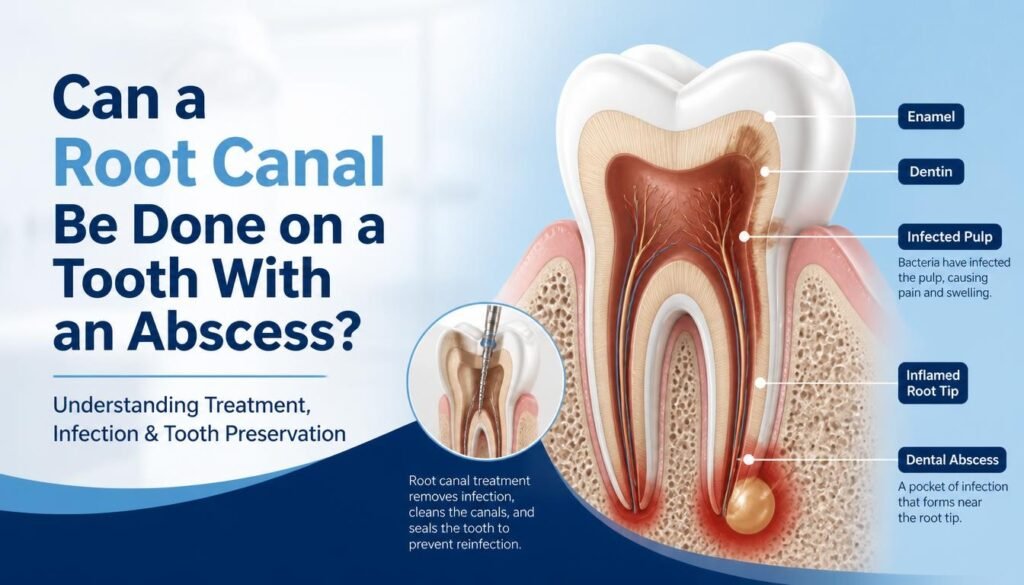
If the fracture reaches the pulp, the inner portion of the tooth may become inflamed or infected.
In such cases, root canal treatment may be required to remove the affected pulp tissue, clean the root canals, and seal the tooth.
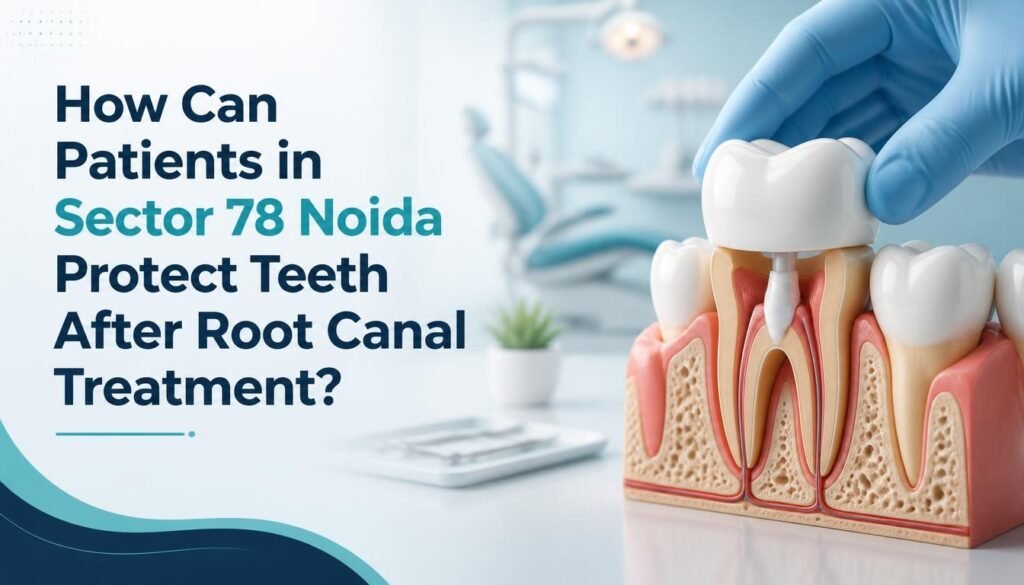
After root canal treatment, a dental crown may be recommended to protect and restore the weakened tooth, particularly for back teeth that experience considerable chewing pressure.
Best suited for:
- Fractures involving the pulp
- Teeth with persistent pain or sensitivity
- Teeth with signs of pulp infection
- Severely damaged teeth that are still restorable
Learn more about root canal treatment at The Dental Crowns.
5. Tooth Extraction and Replacement
Sometimes, the fracture extends too deeply below the gumline or into the root, making the tooth difficult to restore predictably.
If the tooth cannot be saved, extraction may be recommended. After healing and assessment, tooth replacement options may include a dental implant or a dental bridge.
Best suited for:
- Severe vertical fractures
- Deep crown-root fractures
- Teeth with extensive structural damage
- Teeth that cannot support a restoration
To understand the available replacement options, explore dental implant treatment at The Dental Crowns.
Which Dental Crown Is Best for a Fractured Tooth?
Dental crowns are available in different materials. The best choice depends on the location of the fracture, chewing pressure, aesthetic requirements, and the dentist’s clinical recommendation.
Zirconia Crowns
Zirconia crowns are known for their strength and durability. They may be suitable for damaged back teeth that experience considerable chewing forces.
All-Ceramic Crowns
All-ceramic crowns offer a natural tooth-like appearance. They may be considered for front teeth where aesthetics and colour matching are important.
Porcelain-Fused-to-Metal (PFM) Crowns
PFM crowns combine a metal base with a porcelain outer layer. They offer a combination of strength and aesthetics and may be recommended in selected cases.
Your dentist will help determine the appropriate crown material after examining your tooth and discussing your expectations.
What Is the Procedure for Dental Crown Treatment?
If a dental crown is recommended for your fractured tooth, the procedure generally involves the following steps:
Step 1: Dental Examination
The dentist examines the fractured tooth, evaluates the symptoms, and may recommend dental X-rays to understand the extent of the damage.
Step 2: Treatment Planning
Based on the findings, the dentist determines whether the tooth needs a filling, crown, root canal treatment, or another procedure.
Step 3: Tooth Preparation
If a crown is suitable, the tooth is carefully prepared to create space for the restoration. Impressions or digital scans may be taken to design a properly fitting crown.
Step 4: Temporary Crown
A temporary crown may be placed to protect the prepared tooth while the permanent crown is being fabricated.
Step 5: Permanent Crown Placement
The final crown is checked for fit, bite, and appearance before being cemented into position.
The number of appointments required depends on the type of crown and the complexity of the treatment.
How Much Does a Dental Crown for a Fractured Tooth Cost in Noida?
The cost of dental crown treatment in Noida varies depending on several factors.
These may include:
- The material used for the crown
- The extent of the tooth fracture
- Whether root canal treatment is required
- The condition of the remaining tooth structure
- The need for additional procedures
- The complexity of the treatment
A minor fracture requiring bonding or a filling may cost less than a full dental crown. Similarly, a fractured tooth requiring root canal treatment followed by a crown will involve additional treatment expenses.
For an accurate estimate, it is advisable to consult a dentist who can examine your tooth and explain the available treatment options.
Read more about dental crown treatment in Noida to understand the restorative solutions available.
What Should You Do Immediately After Fracturing a Tooth?
If you have fractured a tooth, taking a few precautions before visiting your dentist can help protect the affected area.
- Rinse your mouth gently with lukewarm water.
- If a piece of the tooth has broken off, keep it safely and take it to your dentist.
- Apply a cold compress to the outside of your cheek if swelling occurs.
- Avoid chewing on the affected side.
- Avoid hard, crunchy, or extremely hot and cold foods.
- Do not attempt to repair the tooth using household adhesives.
- Schedule a dental examination as soon as possible.
If you experience severe pain, facial swelling, fever, or difficulty swallowing or breathing, seek urgent medical or dental attention.
Why Choose The Dental Crowns Near Sector 75 Noida?
If you are looking for dental crown treatment near Sector 75 Noida, choosing a dental clinic that focuses on accurate diagnosis and personalised treatment planning is important.
The Dental Crowns is located at Civitech Stadia, Sector 79, Noida, and offers restorative and general dental services to patients from Sector 75 and nearby areas.
Patients can consult the dental team regarding fractured teeth, damaged restorations, dental crowns, root canal treatment, and other dental concerns.
Clinic: The Dental Crowns
Address: Shop No. 16, First Floor, Civitech Stadia, Sector 79, Noida, Uttar Pradesh – 201301
Phone: +91 89202 71787
Website: https://thedentalcrowns.in/
If you have a fractured tooth, an early dental evaluation can help you understand whether a crown is the right solution and how your natural tooth may be preserved.
Frequently Asked Questions (FAQs)
1. Can a fractured tooth be saved with a dental crown?
Yes, many fractured teeth can be restored with a dental crown if enough healthy tooth structure remains and the root is in suitable condition. If the fracture affects the pulp, root canal treatment may be needed before placing the crown. However, teeth with severe root fractures may not be restorable.
2. Is a dental crown necessary after a tooth fracture?
Not every fractured tooth requires a crown. Minor chips may be treated with dental bonding or fillings. A crown is generally considered when the tooth has lost considerable structure or become weakened. The final decision depends on the dentist’s examination and the extent of the fracture.
3. Can I get dental crown treatment near Sector 75 Noida?
Yes. The Dental Crowns is located in Sector 79, Noida, and is accessible to patients from Sector 75 and surrounding areas. You can contact the clinic to schedule a consultation for a fractured tooth and discuss suitable dental crown treatment options.
4. Will a fractured tooth always require root canal treatment?
No. Root canal treatment is generally recommended when the fracture damages or affects the dental pulp. If the fracture is limited to the enamel or dentin and the pulp remains healthy, a filling, bonding, or crown may be possible without root canal treatment.
5. How long can a dental crown last on a fractured tooth?
A dental crown can last for many years with proper oral hygiene and regular dental check-ups. Its longevity depends on the crown material, the condition of the underlying tooth, bite forces, and habits such as teeth grinding. Avoiding hard foods and maintaining good oral hygiene can help protect the crown.
6. Is a fractured tooth a dental emergency?
A fractured tooth should be evaluated promptly, especially if it causes pain, bleeding, swelling, or sensitivity. Severe pain, facial swelling, fever, or difficulty swallowing or breathing requires urgent attention. Even a painless fracture should not be ignored because the damage may extend deeper than it appears.
Conclusion
A fractured tooth can affect your comfort, confidence, and ability to chew. Fortunately, modern restorative dentistry offers several treatment options, ranging from dental bonding and fillings to dental crowns and root canal treatment.
If you are searching for a dental crown for a fractured tooth near Sector 75 Noida, the first step is a professional dental examination to determine the extent of the fracture and whether your natural tooth can be preserved.
At The Dental Crowns, Sector 79, Noida, patients can discuss their dental concerns and explore appropriate restorative treatment options.
Book a dental consultation today to understand the best treatment for your fractured tooth.
Call +91 89202 71787 or visit The Dental Crowns to learn more.