Dental implants are one of the most effective modern solutions for replacing missing teeth. They help restore chewing ability, improve smile appearance and provide a stable foundation for artificial teeth. However, one common concern among patients considering this treatment is: Can dental implants be rejected by the body?
The answer is yes, dental implants can sometimes fail to integrate properly with the jawbone or develop complications after placement. However, this is not the same as the body rejecting an organ transplant. Most dental implants are made from biocompatible materials, such as titanium, which are generally well tolerated by the human body.
Dental implant failure can happen due to several reasons, including infection, poor bone quality, smoking, uncontrolled diabetes and inadequate oral hygiene.
If you are considering dental implants or have recently undergone the procedure, understanding the possible risks, warning signs and preventive measures can help you make informed decisions about your oral health.
In this guide, we will explain why dental implants sometimes fail, how to recognise the symptoms and what you can do to improve the chances of successful treatment.
Can Dental Implants Really Be Rejected by the Body?
Yes, dental implants can fail, although true immune rejection is not usually the main reason.
Most modern dental implants are manufactured using titanium or other biocompatible materials. These materials are designed to work safely with the surrounding tissues.
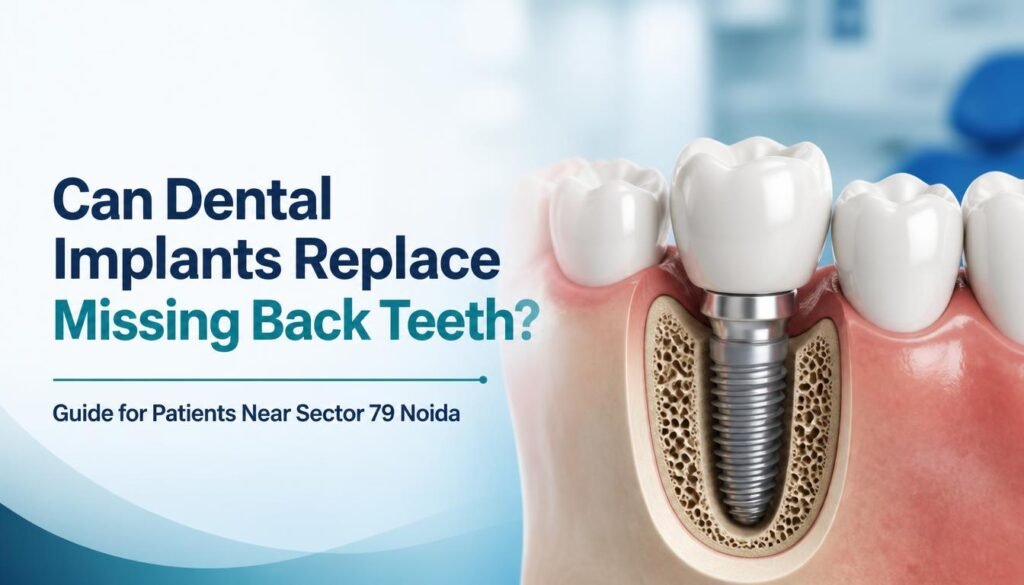
After an implant is placed into the jawbone, a natural healing process called osseointegration begins. During this process, the surrounding bone gradually grows and attaches to the implant surface, creating a stable foundation for the replacement tooth.
If the bone does not integrate properly with the implant, the implant may become loose and fail.
This is commonly described as dental implant rejection, although the more accurate clinical term is implant failure or failure of osseointegration.
Why Does the Body Reject Dental Implants?
There is rarely just one reason behind dental implant failure. Several biological, medical and lifestyle factors can affect the healing process.
Here are some of the most common reasons.
1. Poor Bone Quality or Insufficient Jawbone
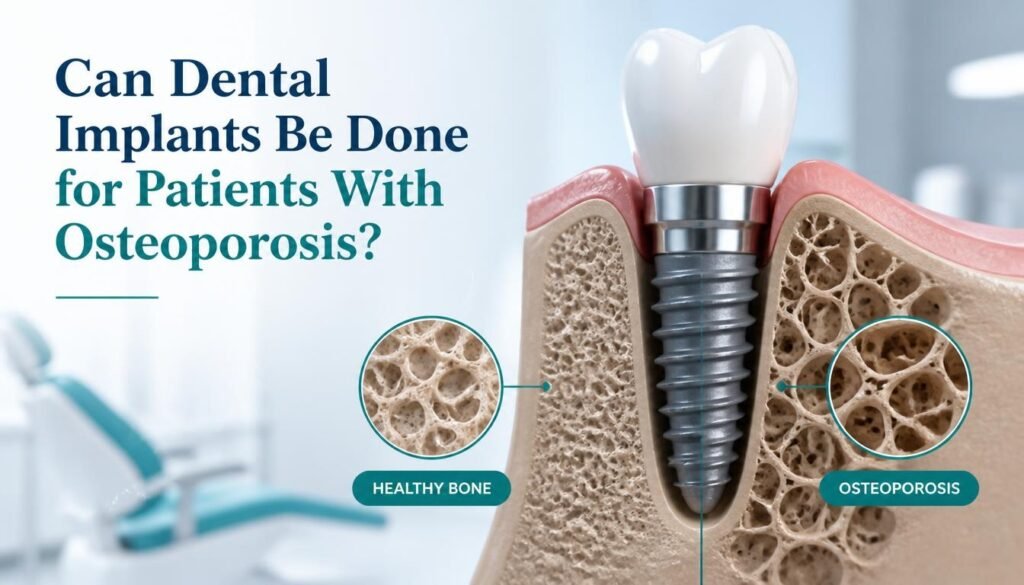
A dental implant needs adequate bone support to remain stable. If the jawbone is too weak, thin or insufficient in volume, the implant may struggle to integrate properly.
Patients who have experienced tooth loss for several years may have reduced jawbone volume because the bone is no longer stimulated by the natural tooth root.
In such cases, a dentist may recommend additional procedures, such as bone grafting, before placing the implant.
2. Infection Around the Dental Implant
Infection is another important reason why dental implants can fail.
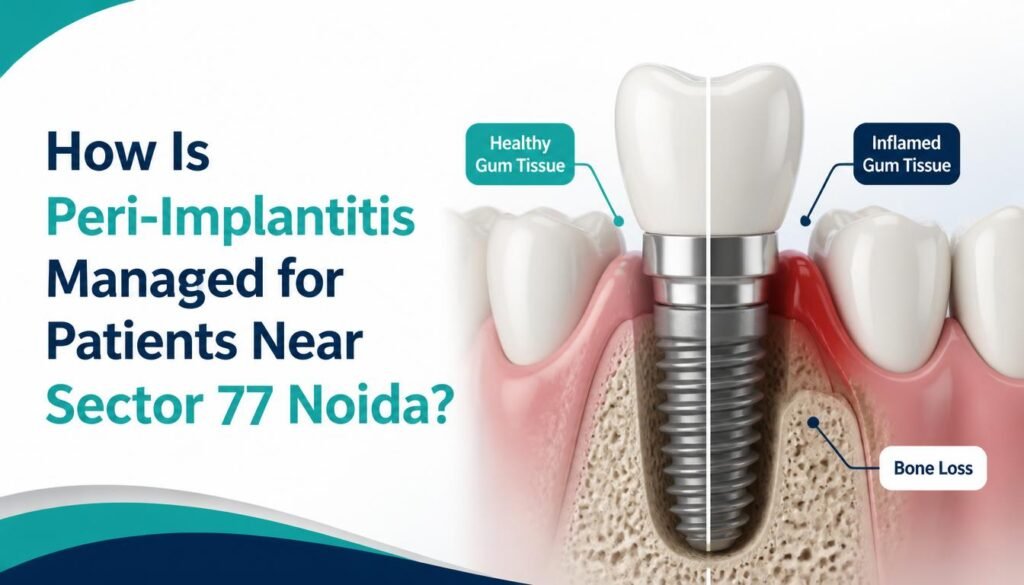
Bacteria can accumulate around the implant and cause inflammation in the surrounding gum tissue. If the infection progresses and affects the supporting bone, it may lead to a condition called peri-implantitis.
Peri-implantitis can cause bone loss around the implant and eventually compromise its stability.
Maintaining proper oral hygiene and attending regular dental check-ups are essential for reducing this risk.
3. Smoking and Tobacco Consumption
Smoking can negatively affect blood circulation and interfere with the body’s natural healing process.
After dental implant surgery, proper blood supply is important for tissue repair and bone healing. Smoking may increase the risk of infection, delayed healing and implant complications.
Patients who smoke should discuss their tobacco use with their dentist before undergoing dental implant treatment.
4. Uncontrolled Diabetes
Diabetes, particularly when blood sugar levels are poorly controlled, can affect the body’s ability to heal and fight infections.
Patients with uncontrolled diabetes may have a higher risk of developing complications after dental implant surgery.
However, having diabetes does not automatically mean that you cannot receive dental implants. Your dentist may evaluate your medical history, blood sugar management and overall oral health before recommending treatment.
5. Poor Oral Hygiene
Even though dental implants are artificial, the gums and bone surrounding them are living tissues.
If plaque and bacteria accumulate around the implant, inflammation can develop and gradually affect the supporting structures.
Not brushing properly, avoiding interdental cleaning and missing dental appointments can increase the chances of implant-related complications.
6. Excessive Pressure on the Implant
Dental implants need sufficient time to integrate with the jawbone before they can safely support normal chewing forces.
Excessive pressure during the healing period may interfere with this process.
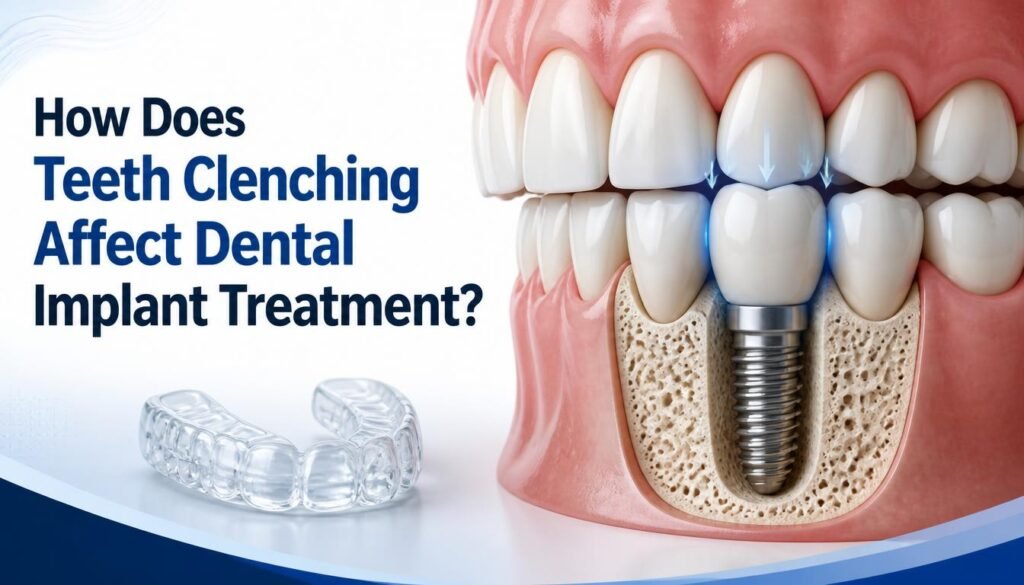
Patients who grind or clench their teeth may also experience additional pressure on their implants. A dentist may recommend appropriate bite adjustments or a protective night guard when necessary.
What Are the Symptoms of Dental Implant Rejection?
Recognising the early warning signs of dental implant failure is important because timely dental evaluation may help prevent further complications.
Some common symptoms include:
1. Persistent Pain or Discomfort
Mild discomfort after dental implant surgery is expected. However, pain that continues, increases or returns after an initial improvement should be evaluated by a dentist.
Persistent discomfort may indicate infection, inflammation or another implant-related complication.
2. Swollen or Bleeding Gums
Redness, swelling and repeated bleeding around the implant may indicate inflammation of the surrounding gum tissue.
These symptoms should not be ignored, particularly if they continue after the initial healing period.
3. Loose Dental Implant
A dental implant should remain firmly supported by the jawbone.
If the implant itself feels loose or moves, it may indicate failed osseointegration or significant bone loss.
However, sometimes only the implant crown or connecting component becomes loose. A dental examination is needed to identify the actual problem.
4. Pus or Unpleasant Taste
Pus, persistent bad breath or an unpleasant taste around the implant may indicate infection.
These symptoms require prompt professional assessment.
5. Difficulty Chewing
If chewing becomes uncomfortable or you notice changes in your bite after implant treatment, the implant and its restoration should be checked.
Not every symptom means that the implant has failed, but persistent or worsening symptoms deserve attention.
When Can Dental Implant Failure Occur?
Dental implant failure can happen at different stages of treatment.
Understanding the difference between early and late implant failure can help patients recognise potential complications.
Early Dental Implant Failure
Early failure generally occurs before the implant has successfully integrated with the jawbone.
Possible causes include:
- Insufficient bone support.
- Infection at the surgical site.
- Poor initial implant stability.
- Smoking during the healing period.
- Uncontrolled medical conditions.
- Excessive pressure during early healing.
In these situations, the implant may fail to achieve the stability required to support a replacement tooth.
Late Dental Implant Failure
Late failure occurs after the implant has initially integrated with the jawbone.
It may develop months or years after treatment due to:
- Peri-implantitis.
- Progressive bone loss.
- Poor oral hygiene.
- Excessive chewing forces.
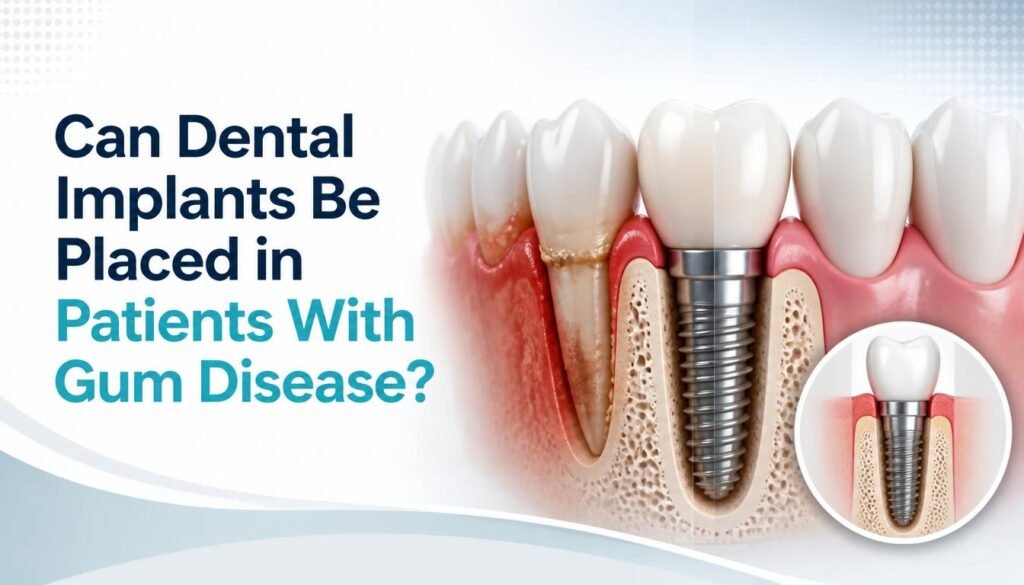
- Untreated gum disease.
- Mechanical problems with implant components.
Regular professional monitoring can help identify these complications before they become more serious.
How Can You Prevent Dental Implant Rejection?
Although no dentist can guarantee that an implant will never develop complications, several precautions can improve the chances of successful treatment.
Here are some important preventive measures:
1. Choose an Appropriate Dental Professional
Dental implant treatment requires proper examination, treatment planning and surgical expertise. Always discuss the dentist’s assessment, implant system and treatment plan before proceeding.
2. Get Your Oral Health Evaluated
Your dentist should assess your gums, jawbone, medical history and existing dental conditions before implant placement.
3. Maintain Good Oral Hygiene
Brush twice daily using a soft-bristled toothbrush and clean between your teeth and around the implant using dentist-recommended methods.
4. Avoid Smoking
Quitting smoking can support better oral and general health and reduce avoidable risks associated with implant healing.
5. Manage Existing Medical Conditions
Patients with diabetes or other medical conditions should discuss their health status and medications with their dentist before surgery.
6. Follow Post-Surgical Instructions
Follow your dentist’s advice regarding food, brushing, medication, physical activity and follow-up appointments.
7. Attend Regular Dental Check-Ups
Professional examinations help monitor the implant, surrounding gums and supporting bone.
Can a Failed Dental Implant Be Replaced?
In many cases, a failed dental implant can be replaced, but the appropriate treatment depends on the reason for failure and the condition of the surrounding bone and gums.
The dentist will first examine the affected area and determine whether the problem involves infection, bone loss, poor integration or a mechanical issue.
Depending on the findings, treatment may involve:
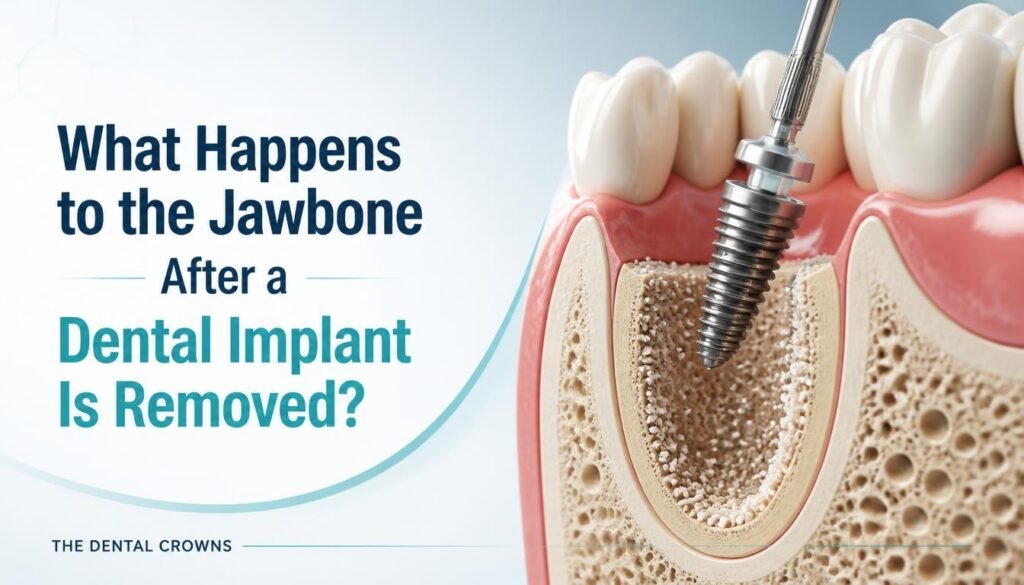
- Removing a failed implant, if necessary.
- Treating infection or inflammation.
- Allowing the affected area to heal.
- Performing bone grafting when additional bone support is required.
- Considering another implant after the site has healed sufficiently.
It is important to understand that not every failed implant can be replaced immediately. The dentist must first ensure that the surrounding tissues are suitable for another procedure.
How Long Does It Take for a Dental Implant to Heal?
Dental implant healing happens in stages.
The gum tissue generally begins healing within the first few weeks, while the deeper process of osseointegration may take several months.
The exact healing period depends on factors such as:
- Bone quality and quantity.
- Overall health.
- Implant location.
- Surgical procedure.
- Presence of bone grafting.
- Individual healing response.
Your dentist will determine when the implant is sufficiently stable to receive its final restoration.
You can also read our guide on How Long Does It Take for a Dental Implant to Heal? for more information.
Are Dental Implants Safe for Everyone?
Dental implants are a suitable treatment option for many adults, but not everyone is automatically an ideal candidate.
Before recommending treatment, a dentist may evaluate:
- Jawbone density and volume.
- Gum health.
- Existing dental infections.
- Medical conditions such as diabetes.
- Smoking and tobacco habits.
- Medications that may affect bone healing.
- Overall oral hygiene.
Some patients may need additional dental or medical treatment before implant placement.
Having a medical condition does not necessarily mean that dental implants are unsuitable. A personalised assessment is essential to determine the safest treatment approach.
Dental Implant Consultation at The Dental Crowns, Noida
If you are considering dental implant treatment or experiencing discomfort after an implant procedure, getting a professional dental evaluation is an important step.
At The Dental Crowns, Sector 79, Noida, patients can explore dental implant treatment and receive guidance based on their individual dental requirements.
The clinic provides dental implant services as part of its surgical dentistry offerings, along with other dental treatments.
Whether you are planning to replace a missing tooth or want to understand the condition of an existing implant, a dental consultation can help identify the appropriate next steps.
You can explore our Dental Implant Treatment in Noida page to learn more about the treatment.
For appointments and further information, contact The Dental Crowns at +91 89202 71787.
Frequently Asked Questions About Dental Implant Rejection
1. Can your body reject a titanium dental implant?
True immune rejection of titanium dental implants is uncommon because titanium is generally biocompatible. However, an implant can fail if it does not integrate properly with the jawbone or develops infection and other complications.
2. What are the first signs of dental implant failure?
Early warning signs may include persistent pain, swelling, bleeding, pus, difficulty chewing or movement of the implant. These symptoms should be evaluated by a dentist.
3. How common is dental implant rejection?
Dental implant failure is relatively uncommon, but its likelihood varies depending on the patient’s health, bone condition, oral hygiene, smoking habits and other factors. A personalised risk assessment is more useful than relying on one general percentage.
4. Can dental implants fail after several years?
Yes. Dental implants can develop late complications even after successful healing. Peri-implantitis, bone loss, excessive chewing forces and mechanical problems may affect their long-term stability.
5. Does diabetes increase the risk of dental implant failure?
Uncontrolled diabetes may increase the risk of delayed healing and infection. However, patients with well-managed diabetes may still be suitable candidates for dental implant treatment after proper evaluation.
6. Can smoking cause dental implants to fail?
Yes. Smoking can interfere with healing and increase the risk of implant-related complications. Patients are advised to discuss smoking cessation with their dentist before treatment.
7. Can a failed dental implant be replaced?
In many cases, replacement is possible after the dentist treats the underlying problem and evaluates the condition of the surrounding bone and gums. Additional procedures, such as bone grafting, may sometimes be required.
8. How can I prevent dental implant failure?
Maintain good oral hygiene, avoid smoking, manage existing medical conditions, follow post-operative instructions and attend regular dental check-ups.
9. Is pain after dental implant surgery normal?
Some pain, swelling and discomfort can occur during initial healing. However, worsening pain, persistent discomfort or pain accompanied by fever, pus or increasing swelling requires prompt dental evaluation.
10. Should I remove my dental implant if it feels loose?
No. Do not attempt to remove or tighten it yourself. Contact your dentist promptly because the movement may involve the crown, connecting screw or the implant itself.
Final Thoughts
So, can dental implants be rejected by the body? While true immune rejection is uncommon, dental implants can fail when the surrounding bone does not integrate properly or when complications such as infection and peri-implantitis develop.
The good news is that careful treatment planning, good oral hygiene, healthy lifestyle choices and regular dental monitoring can help reduce the risk of implant failure.
If you are considering dental implants or experiencing unusual symptoms after treatment, consult a qualified dental professional for an individual assessment.
The Dental Crowns, Noida, is here to help you understand your dental treatment options and take informed steps towards better oral health.
Disclaimer: This article is intended for general educational purposes only and should not be considered a substitute for professional dental diagnosis or treatment.