
If you have recently received a dental crown, one question probably comes to mind: how long do dental crowns last? A crown is designed to protect a damaged or weakened tooth, restore chewing function, and improve its appearance. However, just like natural teeth, dental crowns are not completely immune to wear and damage.
In general, a dental crown can last around 5 to 15 years with proper care, although some crowns may remain functional for longer. Cleveland Clinic notes that the lifespan depends on factors such as oral hygiene, crown material, bite forces, and general dental care.
Quick Answer: How Long Do Dental Crowns Last?
So, how long does a dental crown last?
Most dental crowns can last approximately 5–15 years, depending on the material, placement, oral hygiene, bite, and everyday habits. Some well-maintained crowns may last longer.
A Leeds Teaching Hospitals NHS Trust patient guide gives an approximate lifespan of 8–10 years for a properly cared-for crown, while Cleveland Clinic gives a broader average range of 5–15 years. This shows why there isn’t one exact expiration date for every crown.
The lifespan of your crown depends on both the crown itself and the natural tooth underneath it.
What Is a Dental Crown?
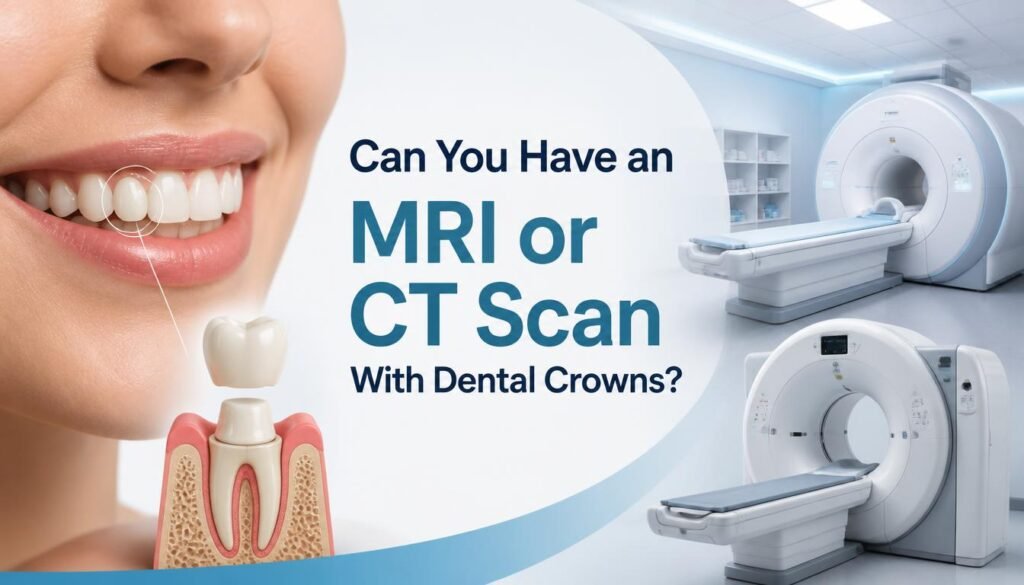
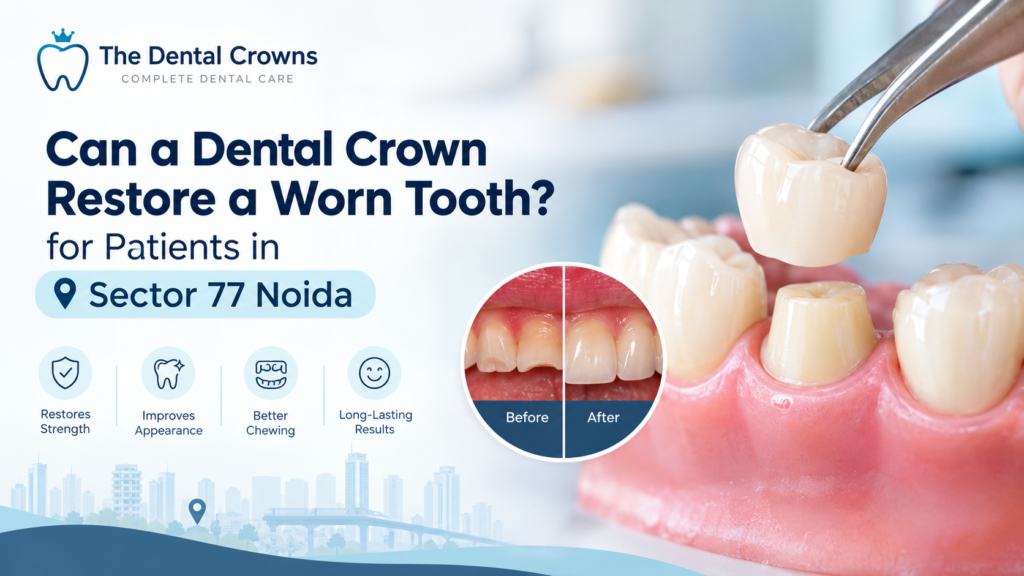
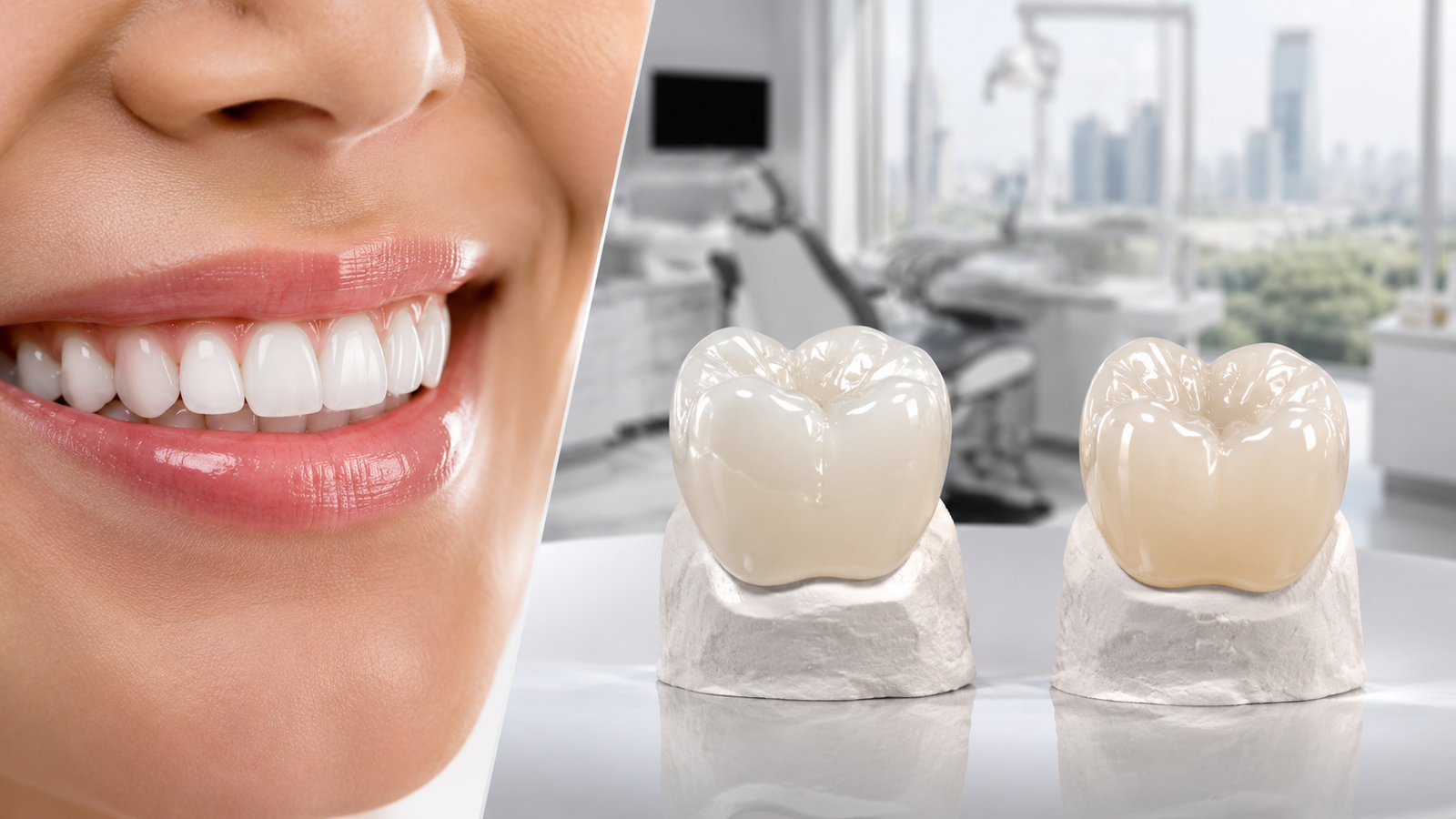
A dental crown is a custom-made restoration that covers a damaged, weakened, broken, or heavily restored tooth. It can help restore the tooth’s shape, strength, function, and appearance.
According to the American Dental Association’s MouthHealthy resource, crowns may be recommended to strengthen a tooth with a large filling, protect a weak tooth from breaking, restore a broken tooth, or cover a dental implant.
If you are considering treatment, you can explore the Dental Crowns services available at The Dental Crowns for information about restorative and cosmetic dental treatments.
How Long Do Different Dental Crowns Last?
Not every crown is made from the same material. The material selected can influence durability, appearance, wear resistance, and suitability for a particular tooth.
1. Zirconia Crowns
Zirconia is known for its strength and natural-looking appearance. It is commonly considered for teeth that need a combination of durability and aesthetics.
The Cleveland Clinic notes that zirconia crowns are highly durable and can withstand heavier forces than some other ceramic options.
However, the lifespan of a zirconia crown still depends on factors such as bite forces, oral hygiene, crown fit, and the condition of the underlying tooth.
2. Porcelain Crowns
Porcelain crowns can provide an attractive, tooth-like appearance and are often considered when aesthetics are important.
The Dental Crowns provides porcelain dental crown treatment in Noida, with treatment planned according to the patient’s dental needs.
3. Porcelain-Fused-to-Metal Crowns
Porcelain-fused-to-metal, or PFM, crowns combine a metal structure with a porcelain outer layer.
They have historically been used for both front and back teeth. However, the porcelain surface may chip or wear over time. Cleveland Clinic explains that PFM crowns can provide durability while also offering a more natural appearance than a fully metallic crown.
4. Metal Crowns
Metal crowns are known for durability and resistance to chewing forces. Their main disadvantage is appearance, which is why they may be more suitable for teeth that are less visible.
Your dentist can recommend the most appropriate material based on the location of the tooth, bite, appearance requirements, remaining tooth structure, and overall oral health.
7 Factors That Affect How Long a Dental Crown Lasts
Knowing the average lifespan is useful, but several factors can make a crown last longer—or fail sooner.
1. Oral Hygiene

Good oral hygiene is one of the most important factors.
Even though the crown itself cannot develop a cavity in the same way as natural enamel, the tooth underneath and the surrounding gum tissue can still be affected by plaque and bacteria.
Brush twice daily with fluoride toothpaste and clean between your teeth every day.
The Cleveland Clinic also recommends regular brushing, flossing, dental examinations, and professional cleanings to help maintain crowns.
2. The Condition of the Tooth Under the Crown
A crown protects a tooth, but it does not make the underlying tooth invincible.
If the tooth underneath has extensive decay, a fracture, gum problems, or another dental issue, the crown may eventually need treatment or replacement.
This is why regular dental check-ups remain important even after successful crown placement.
3. Teeth Grinding and Clenching
Do you grind your teeth at night?
Bruxism can place excessive pressure on dental crowns. Repeated heavy forces may contribute to wear, chipping, cracking, or loosening.
If you grind or clench your teeth, talk to your dentist about whether a custom night guard could help protect your teeth and restoration.
4. Your Diet and Eating Habits
Very hard or sticky foods can put unnecessary stress on a dental crown.
Cleveland Clinic specifically recommends avoiding extremely hard foods and very sticky foods because they may damage or dislodge a crown.
Try not to use your crowned tooth to:
- Bite ice
- Open packages
- Crack hard objects
- Chew very hard substances
- Bite fingernails
Your crown is designed for chewing food—not functioning as a tool.
5. Crown Fit and Placement
A properly designed and fitted crown is important for long-term performance.
If a crown does not fit properly, it may contribute to food trapping, gum irritation, discomfort, or decay around the tooth.
This is why choosing an experienced dental professional and having the tooth properly evaluated before crown placement is important.
6. The Crown Material
Different materials have different properties.
For example, metal crowns are highly resistant to wear, while ceramic and porcelain options can provide a more natural appearance. Zirconia can provide a combination of strength and aesthetics.
There is no single crown material that is automatically best for every patient.
The right choice depends on your individual tooth, bite, aesthetic expectations, and clinical requirements.
7. Regular Dental Check-Ups
A crown may appear perfectly normal while an issue is developing around the tooth or gum.
Regular dental examinations allow your dentist to check:
- Crown stability
- Gum health
- Tooth decay
- Bite and pressure
- Crown margins
- Signs of wear
- Cracks or chips
Early detection can sometimes prevent a small problem from becoming a major restoration issue.
Signs Your Dental Crown May Need Replacement
Wondering whether your crown has reached the end of its useful life?
Watch for signs such as:
1. The Crown Feels Loose
A loose crown should be professionally examined rather than ignored.
2. The Crown Is Cracked or Chipped
A visible crack or chip can affect the crown’s function and may require repair or replacement.
3. Persistent Tooth Sensitivity
Some sensitivity can occur after crown treatment, but persistent or worsening sensitivity should be evaluated by a dentist.
4. Pain When Biting
Pain while chewing may indicate an issue with the crown, bite, or underlying tooth.
5. Bad Taste or Bad Breath
A persistent bad taste or bad breath around a crowned tooth can be a reason to schedule a dental examination.
6. The Crown Has Become Worn
Over time, a crown may experience wear. Your dentist can determine whether it remains functional or needs replacement.
Cleveland Clinic recommends contacting a dentist if you notice a loose crown, bad taste or breath, cracks, chips, or sharp edges.
Can a Dental Crown Last 20 Years?
Yes, it is possible, but it should not be treated as a guarantee.
Some crowns can remain functional for significantly longer than the commonly quoted 5–15-year range when they are well maintained and the underlying tooth remains healthy.
Cleveland Clinic notes that crowns can last beyond 15 years and, with appropriate maintenance, may last substantially longer in some cases.
However, your dentist should evaluate the crown rather than relying only on its age.
A 10-year-old crown that remains healthy and well-fitted may not need replacement simply because it has reached ten years.
How to Make Your Dental Crown Last Longer
Want to get the maximum possible lifespan from your crown?
Follow these simple habits.
Brush Twice a Day
Use a soft-bristled toothbrush and fluoride toothpaste.
Floss Every Day
Clean carefully around the crown and between adjacent teeth.
Avoid Extremely Hard Foods
Don’t regularly bite ice, hard nuts, or other extremely hard substances.
Don’t Use Teeth as Tools
Avoid using your crowned tooth to open packets or bite non-food objects.
Manage Teeth Grinding
If you grind your teeth, speak to your dentist about protective options.
Maintain Regular Dental Visits
Professional examinations can identify early problems before they become more serious.
Follow Your Dentist’s Instructions
Your dentist knows the condition of your tooth and restoration and can provide personalized advice.
Dental Crown After Root Canal: Does It Last?
A crown is frequently used to restore a tooth after root canal treatment, particularly when significant tooth structure has been lost.
Root canal treatment removes infected or inflamed pulp from inside the tooth. Once treatment is completed, the tooth may require a suitable restoration to restore function and protect the remaining structure.
The NHS explains that root canal treatment addresses infection at the centre of a tooth, while crowns are used to cover and restore damaged teeth.
If you are looking for information about root canal treatment, you can read our Painless Root Canal Treatment service.
You can also read our detailed guide on Root Canal Treatment Near Noida Sector 79.
Dental Crown vs Dental Implant: Are They the Same?
No.
A dental crown is a restoration that covers a tooth or can be attached to an implant.
A dental implant replaces the root portion of a missing tooth and can support a crown.
A typical implant restoration consists of an implant, an abutment, and a crown.
If you have a missing tooth rather than a damaged tooth that can be restored, your dentist may discuss implant treatment as one possible option.
Learn more about Dental Implants at The Dental Crowns or read our guide to Dental Implants Near Noida Sector 77.
When Should You See a Dentist in Noida Sector 77?
If your dental crown is several years old, that does not automatically mean it needs replacement.
However, you should consider scheduling an examination if you experience:
- Crown movement
- Toothache
- Pain while chewing
- New sensitivity
- A cracked or chipped crown
- Swollen gums
- Bad taste or persistent bad breath
- Food frequently getting trapped around the crown
For residents of Noida Sector 77 and nearby sectors, getting an examination can help determine whether the crown is still healthy or whether replacement or another treatment is appropriate.
The Dental Crowns is located at Civitech Stadia, Sector 79, Noida, and lists dental crowns, porcelain crowns, root canal treatment, implants, bridges, and other dental services.
You can explore the clinic’s complete dental services before scheduling a consultation.
Why Choose the Right Dental Crown Treatment?
A dental crown is more than a cosmetic covering.
The goal is to create a restoration that:
- Fits the tooth properly
- Supports normal chewing
- Looks natural
- Protects the remaining tooth structure
- Works comfortably with your bite
- Supports long-term oral health
The right material and treatment plan depend on your individual dental condition.
If you’re comparing options, read our guide on How to Choose the Best Dental Crown Treatment in Noida Sector 79.
Frequently Asked Questions About Dental Crown Lifespan
How long do dental crowns last?
Dental crowns commonly last around 5–15 years, although some can last longer with proper care and favorable conditions.
Can a dental crown last 20 years?
Yes, some crowns can last 20 years or longer, but this is not guaranteed. Crown material, oral hygiene, bite forces, tooth condition, and regular dental care all matter.
What makes a dental crown wear out faster?
Teeth grinding, poor oral hygiene, hard foods, trauma, poor crown fit, and problems with the underlying tooth can reduce crown longevity.
How do I know if my crown needs replacing?
A loose, cracked, chipped, painful, or worn crown should be examined by a dentist. Persistent bad taste or bad breath can also be a warning sign.
Does a crown protect the tooth from cavities?
A crown covers and protects the visible tooth structure, but the natural tooth and surrounding area can still develop decay if oral hygiene is poor.
Is zirconia better than porcelain?
Neither material is universally better for every patient. Zirconia may offer excellent strength, while porcelain can provide highly natural aesthetics. Your dentist should recommend a material based on the tooth’s location, bite, condition, and your goals.
How often should I replace my dental crown?
There is no fixed replacement schedule. A dentist should evaluate the crown’s condition, fit, function, and the health of the underlying tooth before recommending replacement.
Can I eat normally after getting a dental crown?
Your dentist will provide specific instructions. Once the permanent crown is properly fitted and you have adjusted to it, normal chewing is generally possible, but extremely hard and sticky foods can increase the risk of damage.
Final Takeaway: How Long Do Dental Crowns Last?
So, how long do dental crowns last?
The typical lifespan is approximately 5–15 years, but a well-maintained crown can sometimes last considerably longer.
The most important factors are not simply the age of the crown. Your oral hygiene, crown material, bite, eating habits, teeth grinding, crown fit, and the health of the underlying tooth all influence longevity.
If you have a dental crown in Noida Sector 77 that feels loose, painful, cracked, worn, or uncomfortable, don’t wait for the problem to become worse. A professional dental examination can help determine whether the crown can be maintained or needs replacement.
For patients in and around Noida, you can explore The Dental Crowns’ dental services and learn more about available crown and restorative treatment options.
Medical References:
- American Dental Association – Dental Crowns: https://www.mouthhealthy.org/all-topics-a-z/crowns/
- Cleveland Clinic – Dental Crowns: https://my.clevelandclinic.org/health/treatments/10923-dental-crowns
- NHS – Dental Treatments: https://www.nhs.uk/live-well/healthy-teeth-and-gums/dental-treatments/
- Leeds Teaching Hospitals NHS Trust – Crowns: https://www.leedsth.nhs.uk/patients/resources/crowns/
These sources provide independent information about crowns, their purpose, treatment, care, and expected lifespan.