

A damaged, cracked, weakened, or heavily decayed tooth may affect more than just your smile. It can make chewing uncomfortable, increase sensitivity, and sometimes leave the tooth vulnerable to further damage. In such situations, dental crown treatment in Sector 76 Noida can be one of the restorative options recommended by a dentist after examining the tooth.
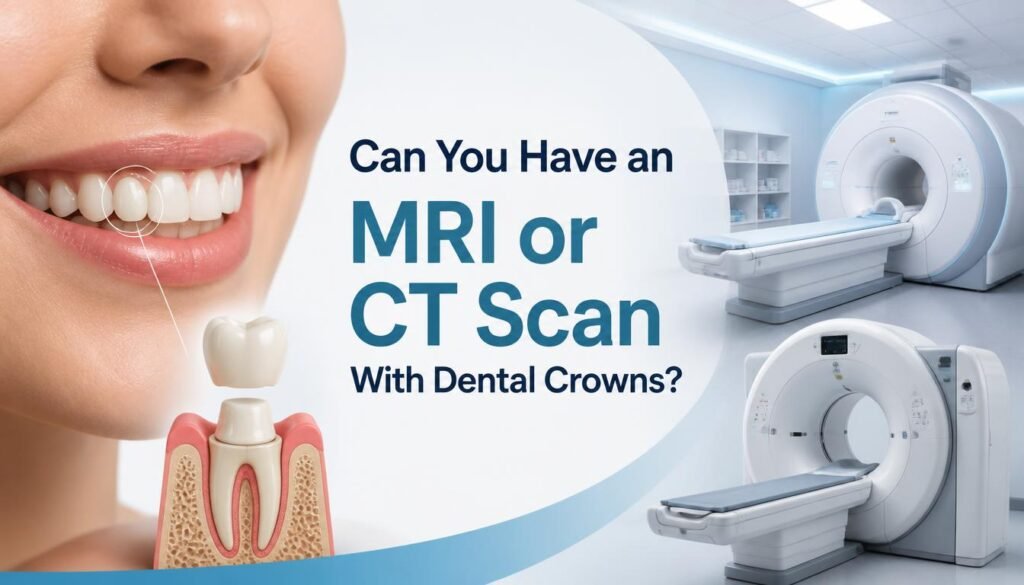
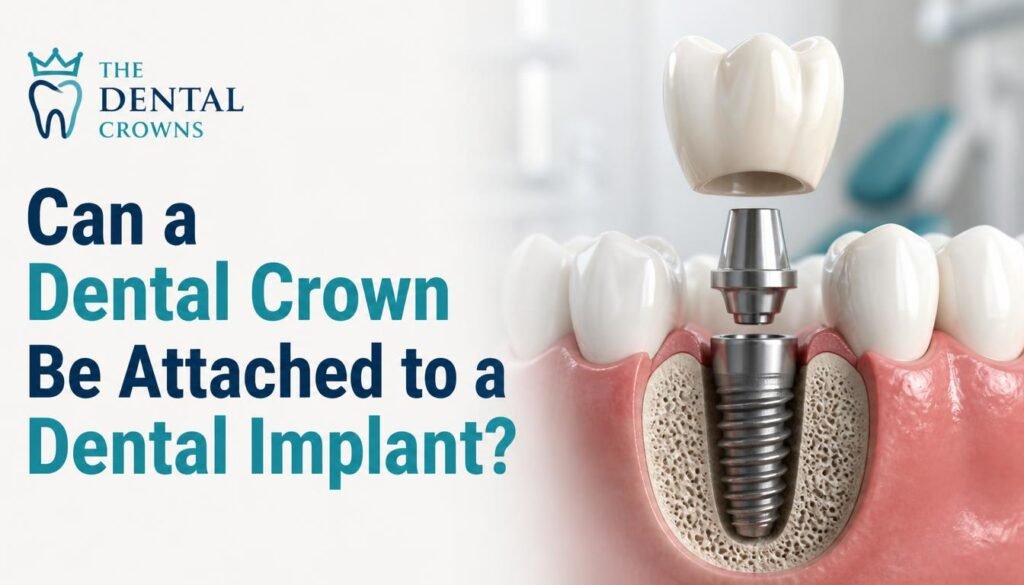
A dental crown is a custom-made cap that covers a damaged or weakened tooth. Crowns can restore the tooth’s shape, strength, appearance, and function. They may also be used to protect a tooth after root canal treatment or to restore a tooth supported by a dental implant.
If you are looking for a dental crown in Noida, understanding the treatment, available crown materials, benefits, and factors affecting cost can help you have a more informed discussion with your dentist.
What Is a Dental Crown?
A dental crown is a restoration that covers the visible portion of a tooth. According to the American Dental Association’s MouthHealthy resource, crowns can be used to strengthen damaged teeth, protect weak teeth, restore broken teeth, improve appearance, and cover dental implants.
A dentist may recommend a crown when a tooth does not have enough healthy structure to be restored reliably with a regular filling.
Some common reasons for getting a dental crown include:
- A severely damaged or weakened tooth
- A cracked or broken tooth
- Extensive tooth decay
- A tooth with a large filling
- A tooth that has undergone root canal treatment
- A severely worn tooth
- Restoring the visible part of a dental implant
- Improving the appearance of a significantly discoloured or misshapen tooth
For independent information about dental crowns, patients can also refer to the American Dental Association’s guide to dental crowns.
When Do You Need Dental Crown Treatment?
Not every damaged tooth requires a crown. The appropriate treatment depends on the amount of remaining tooth structure, the location of the tooth, the condition of the gums, your bite, and your overall oral health.
Your dentist may consider a dental crown when:
1. The Tooth Has Significant Damage
If a large portion of the tooth has been lost because of decay, fracture, or an old restoration, a crown may help protect the remaining structure.
2. You Have Had Root Canal Treatment
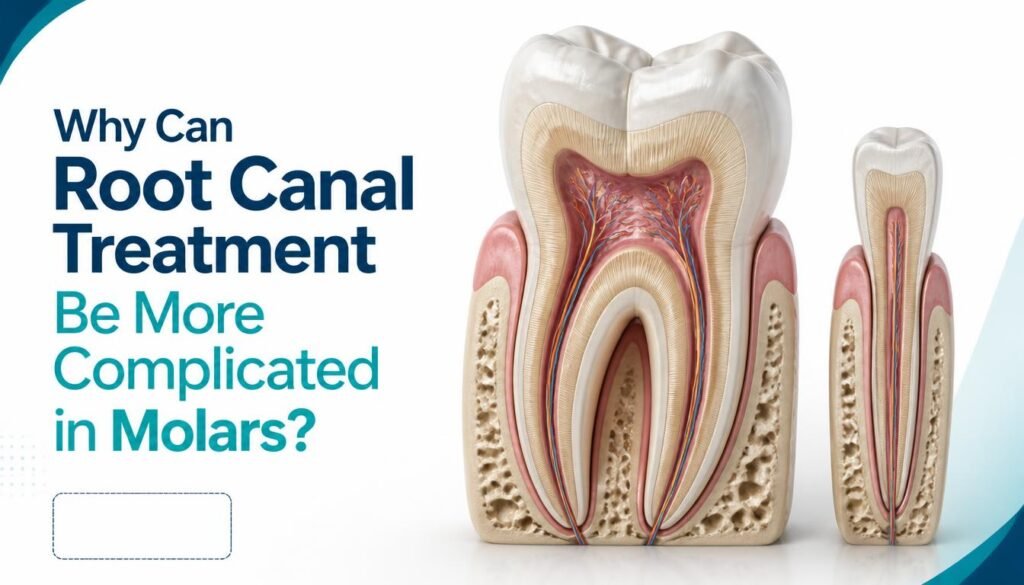
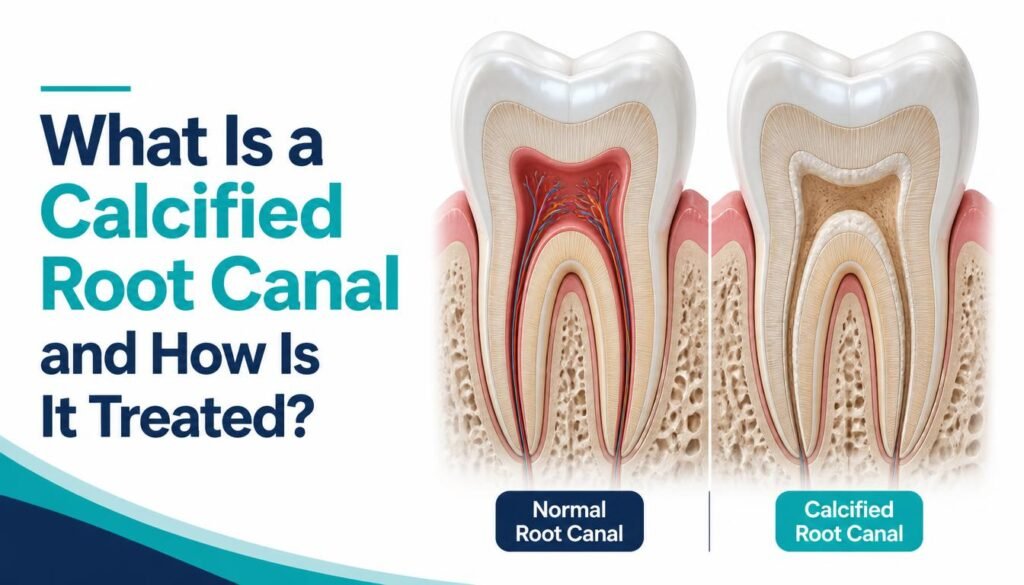
Root canal treatment removes infected tissue from inside the tooth and seals the root canal system. Depending on the tooth and how much structure remains, a crown may subsequently be recommended to protect and restore it.
The NHS explains that a crown may be required after root canal treatment when a tooth has been badly affected.
You can also learn more about painless root canal treatment in Noida before discussing your restoration options with your dentist.
3. You Have a Cracked or Broken Tooth
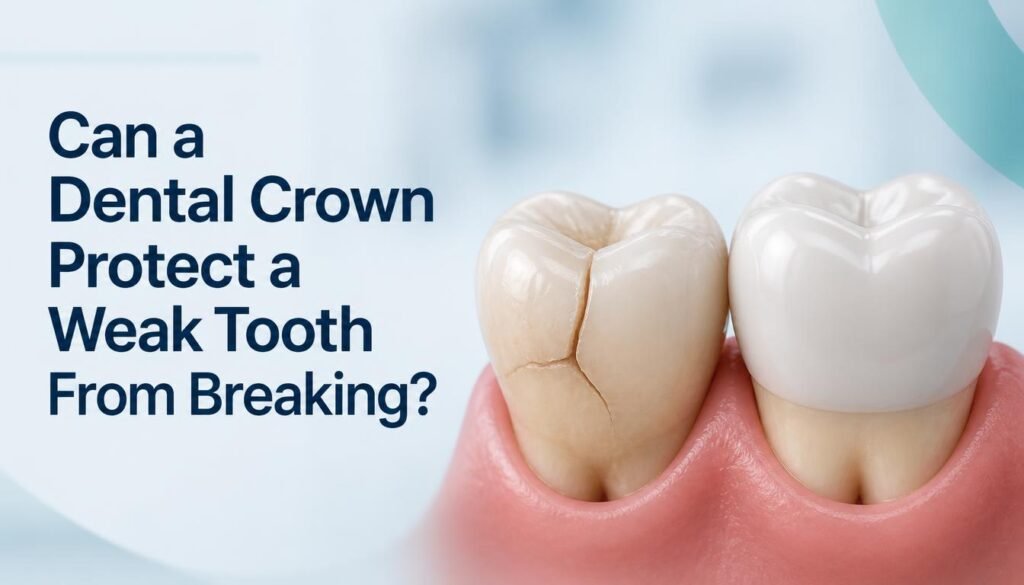
A cracked or broken tooth may be more vulnerable to further damage during chewing. A crown can sometimes provide coverage and protection when enough healthy tooth structure remains.
4. You Need an Implant-Supported Crown
A dental implant can replace the root portion of a missing tooth, while a crown can be attached to the implant to restore the visible tooth.
Learn more about dental implant treatment in Noida.
Types of Dental Crowns Available
The best crown material depends on the location of the tooth, cosmetic requirements, bite forces, remaining tooth structure, and your dentist’s recommendation.
Porcelain Dental Crowns
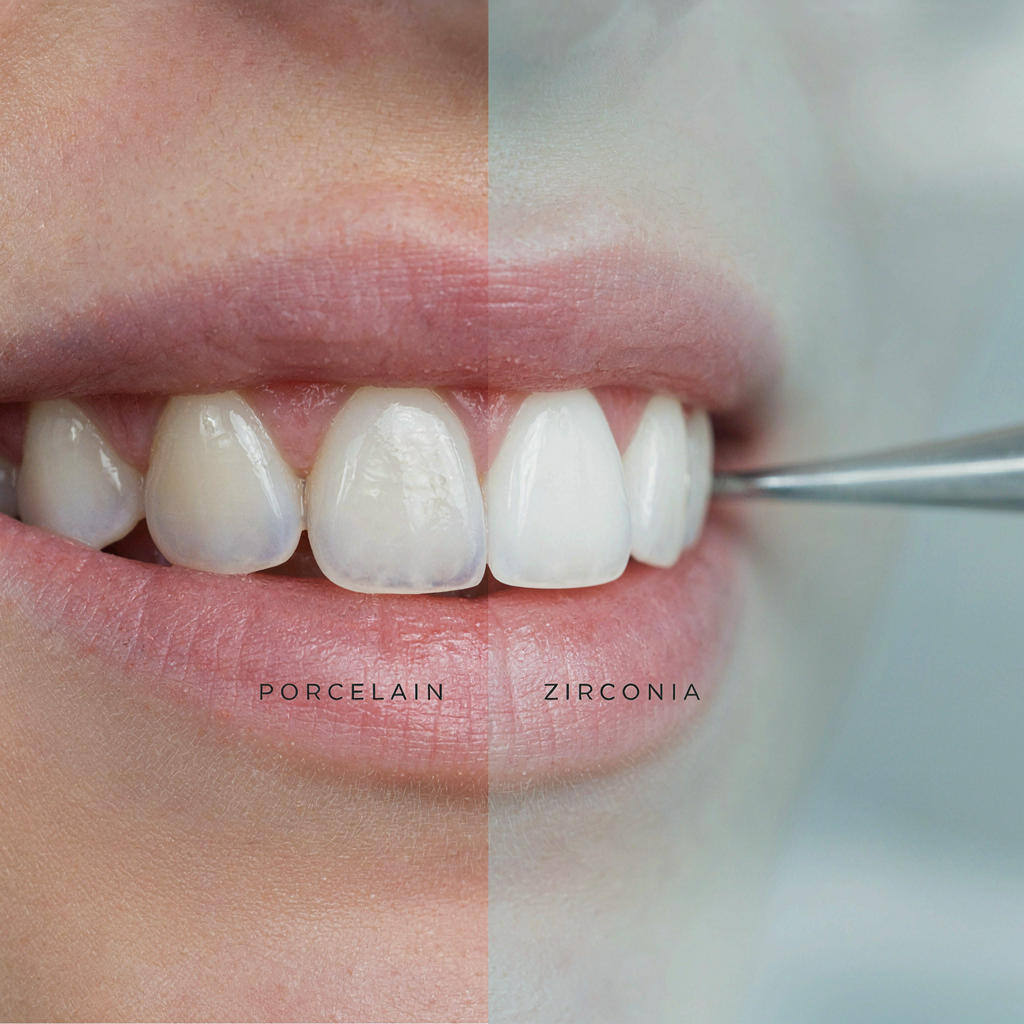
Porcelain crowns are popular when appearance is an important consideration. They can be designed to closely match the colour and appearance of surrounding teeth.
For patients interested in aesthetic restorations, porcelain dental crowns in Noida may be an option to discuss with a dental professional.
Ceramic Crowns
Ceramic restorations can offer a natural-looking appearance and are often considered when aesthetics are a major priority.
Metal Crowns
Metal crowns are known for their strength and may be considered for certain teeth, particularly where chewing forces are high. The suitability of a metal restoration depends on the individual case.
Porcelain-Fused-to-Metal Crowns
These restorations combine a metal substructure with a tooth-coloured outer layer. They can provide a balance between strength and aesthetics.
Your dentist can explain which crown material is appropriate after examining your tooth.
Dental Crown Treatment Procedure
The exact procedure varies depending on your tooth and the type of restoration selected. Generally, dental crown treatment may involve the following stages.
Step 1: Dental Examination
The dentist examines the affected tooth and surrounding gums. Dental X-rays or other diagnostic procedures may be recommended when clinically appropriate.
The purpose is to determine whether the tooth can be restored and whether any underlying infection, decay, gum problem, or other issue needs treatment first.
Step 2: Tooth Preparation
If a crown is appropriate, the tooth is prepared so the restoration can fit properly.
The amount of preparation depends on the condition of the tooth and the type of crown being used.
Step 3: Impression or Digital Scan
Your dentist obtains the information required to create a crown that fits your tooth and bite.
Step 4: Temporary Restoration
Depending on the treatment workflow and laboratory timeline, a temporary crown may be placed while the permanent restoration is being prepared.
Step 5: Permanent Crown Placement
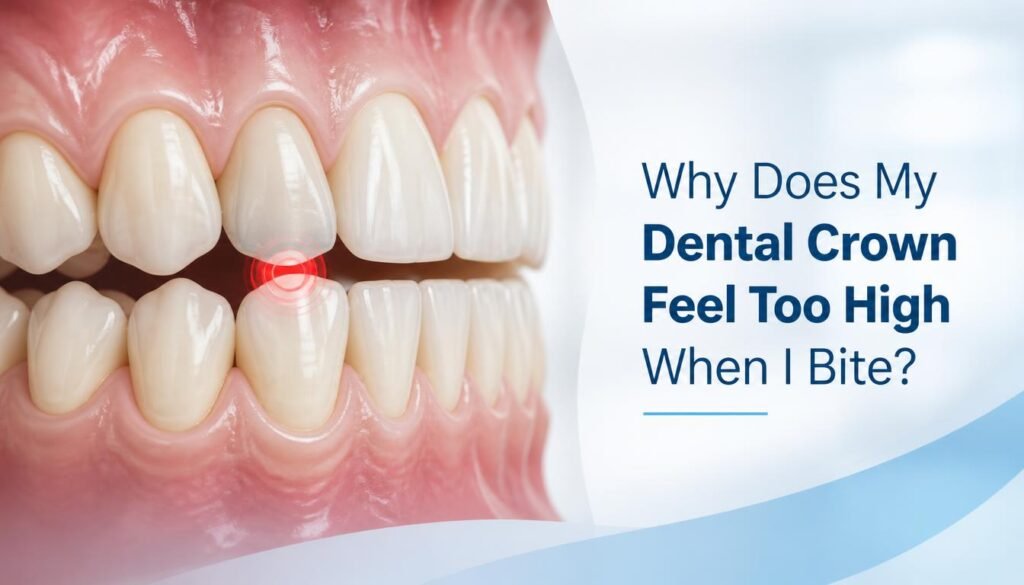
Once the final crown is ready, the dentist checks its fit, appearance, bite, and contacts before permanently placing it.
Is Dental Crown Treatment Painful?
Many patients worry about discomfort before undergoing dental crown treatment.
The experience depends on the condition of the tooth and whether additional treatment is required. Local anaesthesia can be used during procedures involving tooth preparation when appropriate.
If the tooth has an active infection or requires root canal treatment, the treatment plan may be different.
Patients should discuss any dental anxiety or concerns about discomfort with their dentist before treatment.
Dental Crown After Root Canal: Is It Always Necessary?
A common question is whether every tooth requires a crown after root canal treatment.
The answer depends on the individual tooth.
A root canal removes infected pulp and allows a dentist to preserve a tooth that might otherwise require extraction. Afterward, the tooth may require a suitable restoration to protect its remaining structure.
The need for a crown depends on factors such as:
- Which tooth was treated
- How much natural tooth structure remains
- The extent of previous damage
- The amount of biting force on the tooth
- The type of restoration appropriate for that case
Therefore, patients should not assume that a crown is automatically required or unnecessary. A dentist should evaluate the tooth before making the recommendation.
Benefits of Dental Crown Treatment
When appropriately recommended and properly maintained, a dental crown can provide several benefits.
Restores Tooth Function
A properly fitted crown can help restore the tooth’s shape and contribute to normal chewing function.
Protects a Weak Tooth
Coverage can help protect a structurally compromised tooth from additional damage.
Improves Appearance
Tooth-coloured restorations can improve the appearance of damaged or severely discoloured teeth.
Supports Dental Implants
Crowns can be used as the visible replacement tooth attached to a dental implant.
Restores a Broken Tooth
Depending on the damage and remaining tooth structure, a crown may help restore a broken or severely worn tooth.
How Much Does Dental Crown Treatment Cost in Sector 76 Noida?
The cost of dental crown treatment in Sector 76 Noida can vary considerably from patient to patient. There is no single price that applies to every dental crown.
The final cost may depend on:
- Type of crown material
- Tooth location
- Amount of tooth preparation required
- Whether root canal treatment is needed
- Whether additional dental treatment is required
- Laboratory charges
- Complexity of the case
- Type of restoration selected
- Follow-up requirements
Instead of choosing a crown solely on the lowest quoted price, ask your dentist what is included in the complete treatment plan and which material is being recommended for your particular tooth.
How Long Does a Dental Crown Last?
The lifespan of a dental crown varies. It depends on factors such as oral hygiene, bite forces, tooth grinding, gum health, the condition of the underlying tooth, crown material, and regular dental care.
Good oral hygiene remains important even after receiving a crown because the natural tooth and surrounding gum tissue still require care.
Patients should:
- Brush regularly with fluoride toothpaste
- Clean between their teeth
- Follow their dentist’s oral-care recommendations
- Avoid using teeth to open hard objects
- Attend recommended dental check-ups
- Inform their dentist if the crown feels loose, cracked, or uncomfortable
A crown does not make the tooth immune to decay or gum disease. The tooth underneath and the surrounding tissues still require proper care.
Dental Crown Treatment Near Sector 76, Noida
If you live in Sector 76 Noida, you may also consider dental clinics in nearby sectors such as Sector 77, Sector 78, and Sector 79 when searching for treatment.
The Dental Crowns is located at:
Shop No. 16, 1st Floor, Civitech Stadia, Sector 79, Noida, Uttar Pradesh 201301
The clinic’s listed dental services include root canal treatment, dental implants, porcelain crowns, bridges, dentures, laser dentistry, braces, veneers, teeth whitening, and other general, cosmetic, and surgical dental treatments.
You can explore the complete Dental Services offered by The Dental Crowns to understand the available treatment options.
Why Choose a Dental Clinic Carefully?
Choosing a dental clinic should involve more than comparing prices.
Consider:
- Dentist’s qualifications and experience
- Diagnostic facilities
- Sterilisation and infection-control practices
- Treatment planning
- Quality of restorative materials
- Availability of follow-up care
- Clear explanation of treatment alternatives
- Location and convenience for follow-up visits
The Dental Crowns states that it focuses on patient-centred care, modern dental technology, and comprehensive dental treatment at its Sector 79, Noida location.
Frequently Asked Questions About Dental Crown Treatment in Sector 76 Noida
What is a dental crown used for?
A dental crown is used to cover and restore a damaged, weakened, broken, heavily restored, or otherwise compromised tooth. It can also be used over a dental implant.
Can I get a dental crown after root canal treatment?
Yes, a crown may be recommended after root canal treatment depending on the tooth’s remaining structure, location, and functional requirements.
Are porcelain crowns good for front teeth?
Porcelain or other tooth-coloured restorations may be considered for front teeth where aesthetics are important. Your dentist can recommend the appropriate material after examining your tooth.
How long does dental crown treatment take?
The timeline depends on the tooth, preparation required, crown material, laboratory process, and whether additional treatment such as root canal therapy is necessary.
Is a dental crown better than a filling?
A crown and a filling serve different purposes. A filling may be suitable when sufficient healthy tooth structure remains, while a crown may be recommended when the tooth requires greater coverage and protection.
Can a crown be placed on an implant?
Yes. A dental implant can support a crown, bridge, or denture depending on the treatment plan.
How do I know whether I need a dental crown?
A dentist needs to examine the tooth to determine whether a crown is appropriate. Symptoms alone cannot determine the correct restoration.
How much does a dental crown cost in Noida?
The price varies according to the crown material, tooth condition, treatment complexity, laboratory work, and any additional procedures required. A dental examination is the best way to receive an individual treatment estimate.
Final Thoughts
If you have a broken, cracked, severely damaged, or weakened tooth, a dental crown may help restore its strength, function, and appearance. However, the right treatment depends on the condition of your tooth and overall oral health.
For patients searching for dental crown treatment in Sector 76 Noida, a professional examination is the first step. A dentist can assess the tooth, explain suitable restoration options, discuss the expected treatment timeline, and provide an individualized cost estimate.
The Dental Crowns provides dental treatment from Civitech Stadia, Sector 79, Noida, and offers services including dental crowns, root canal treatment, dental implants, bridges, dentures, laser dentistry, and cosmetic dental procedures.
Book a dental consultation to understand whether a dental crown is suitable for your tooth.
The Dental Crowns
Shop No. 16, 1st Floor, Civitech Stadia, Sector 79, Noida, Uttar Pradesh 201301
Phone: +91 89202 71787
Email: thedentalcrowns@gmail.com
Helpful Dental Resources
For additional patient education, readers can consult:
- American Dental Association – Dental Crowns
- NHS – Dental Treatments
- NHS – Root Canal Treatment
- Guy’s and St Thomas’ NHS Foundation Trust – Dental Implants
These links provide independent educational information and should complement—not replace—an examination by a qualified dental professional.