
Dental implants are a popular solution for replacing missing teeth. They can restore chewing function, improve the appearance of your smile and provide a long-term tooth replacement option. However, many patients believe that dental implants do not require professional cleaning because the artificial tooth cannot develop cavities like a natural tooth.
So, do dental implants need professional cleaning at the dentist? Yes. Regular dental examinations and professional implant maintenance are important for keeping the gums, surrounding bone and implant-supported crown healthy. Although an implant itself cannot develop tooth decay, plaque and bacteria can accumulate around it and contribute to inflammation or other complications.
If you have dental implants or are considering treatment, understanding how professional cleaning works and how to care for your implant at home can help you maintain your oral health.
Why Do Dental Implants Need Professional Cleaning?
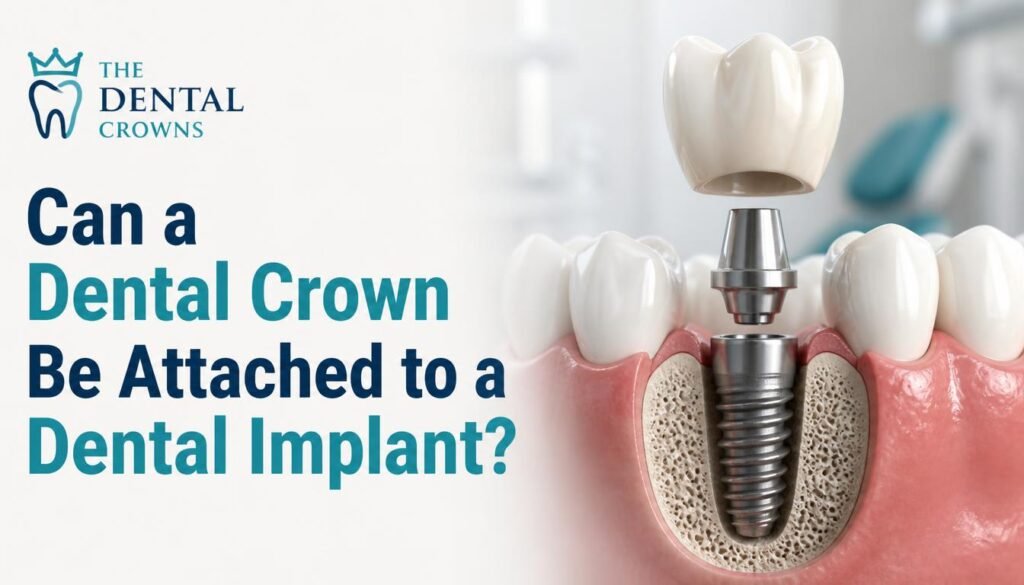
A dental implant replaces the root of a missing tooth and usually supports a crown, bridge or denture. The implant restoration looks and functions like a tooth, but the tissues surrounding it still need regular care.
Bacteria can collect around the gumline, beneath an implant-supported bridge or in areas that are difficult to reach with a toothbrush. If plaque is not removed effectively, the surrounding gums can become inflamed.
Professional dental implant maintenance helps your dentist or dental hygienist:
- Remove plaque and deposits from accessible areas around the implant.
- Assess the health of the gums and surrounding tissues.
- Identify signs of inflammation, bleeding or infection.
- Check the condition of the implant-supported crown, bridge or denture.
- Review your brushing and interdental cleaning techniques.
- Identify potential problems before they become more complicated.
The Association of Dental Implantology recommends regular professional maintenance and monitoring to help prevent diseases affecting the tissues around implants.
What Happens During Professional Dental Implant Cleaning?
Professional cleaning for dental implants is different from simply polishing natural teeth. The procedure depends on the type of implant restoration, the condition of your gums and the amount of plaque or calculus present.
Here is what you can generally expect during an appointment.
1. Examination of the Implant and Gums
Your dentist examines the implant area and checks for redness, swelling, bleeding, tenderness or other signs of inflammation. The dentist may also assess the surrounding teeth, bite and condition of the restoration.
If there are signs of a deeper problem, additional examination or imaging may be recommended.
2. Removal of Plaque and Deposits
Your dentist or dental hygienist cleans accessible areas around the implant and gumline. Appropriate instruments are selected according to the implant and restoration materials.
The goal is to remove plaque and deposits while avoiding unnecessary damage to the implant surface or surrounding tissues.
3. Cleaning Around the Implant Crown
An implant-supported crown can have spaces around its edges where food particles and plaque accumulate. Your dental professional checks these areas and cleans them as needed.
If you have an implant-supported bridge or denture, the cleaning technique may differ because some areas are more difficult to access.
In certain cases, a fixed restoration may need to be removed by a dental professional to allow thorough cleaning and inspection. This is not necessary for every patient.
4. Assessment of Gum Health
Healthy gums are important for maintaining the tissues around a dental implant. Your dentist checks for signs of inflammation and may assess the depth of the spaces around the implant when clinically appropriate.
If a problem is detected, your dentist can recommend the next steps based on its severity.
5. Personalised Home-Care Advice
Your dentist may demonstrate how to brush around the implant and clean between the teeth effectively. Depending on your restoration, you may benefit from implant-specific floss, interdental brushes or a water flosser.
Following these instructions between appointments is just as important as attending professional cleaning sessions.
How Often Should Dental Implants Be Professionally Cleaned?
There is no single cleaning schedule that suits every dental implant patient. Your dentist will recommend a maintenance interval based on your oral health, implant restoration and risk of developing gum disease.
Your appointments may need to be more frequent if you have:
- A history of gum disease.
- Persistent plaque accumulation around the implant.
- Bleeding or inflammation around the gums.
- Difficulty cleaning beneath an implant-supported bridge.
- Smoking habits or other factors that may affect oral health.
- A medical condition that requires closer dental monitoring.
Patients with healthy gums and good oral hygiene may require a different schedule from those with existing inflammation or other complications.
Important: Do not wait for pain before scheduling a dental check-up. Problems around implants can develop without obvious symptoms in the early stages.
What Happens If You Do Not Clean Your Dental Implants Properly?
Poor oral hygiene can allow plaque to accumulate around an implant, increasing the risk of inflammation in the surrounding tissues.
Two important conditions to understand are:
Peri-Implant Mucositis
Peri-implant mucositis is inflammation of the soft tissues surrounding a dental implant. Signs can include redness, swelling and bleeding around the implant.
When identified early, it can often be managed with appropriate professional care and improved oral hygiene.
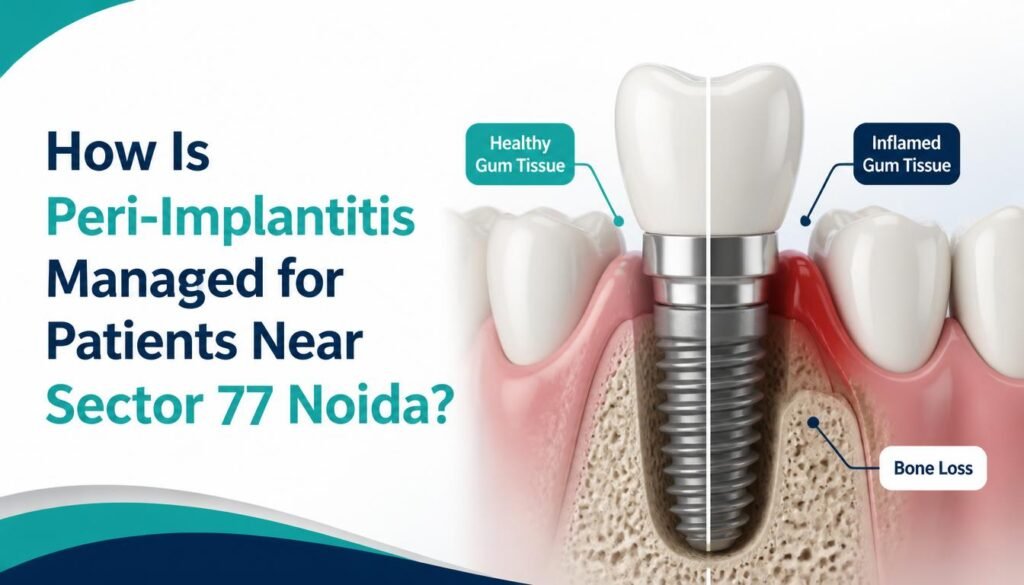
Peri-Implantitis
Peri-implantitis is a more serious inflammatory condition that affects the tissues around a dental implant and involves the loss of supporting bone.
It requires professional assessment and treatment. Delaying care can make the condition more difficult to manage and may threaten the long-term stability of the implant.
Not every episode of bleeding indicates peri-implantitis, but persistent bleeding, swelling or discomfort should be evaluated by a dentist.
How to Clean Dental Implants at Home
Professional cleaning is only one part of maintaining a healthy implant. Your daily oral hygiene routine is essential.
1. Brush Twice a Day
Use a soft-bristled toothbrush and fluoride toothpaste unless your dentist recommends a different product. Gently clean around the implant crown, gumline and neighbouring teeth.
An electric toothbrush may also be suitable, depending on your needs and brushing technique.
2. Clean Between Your Teeth Daily
A regular toothbrush cannot effectively clean every space between teeth or beneath certain implant restorations.
Your dentist may recommend floss, implant-specific floss, interdental brushes or a water flosser. The most appropriate option depends on the design of your restoration and the spaces around it.
3. Pay Attention to the Gumline
Plaque can collect where the implant crown meets the gum. Clean this area gently and consistently without using excessive force.
If you are unsure how to reach the area safely, ask your dentist to demonstrate the correct technique.
4. Avoid Abrasive or Improvised Cleaning Methods
Do not scrape your implant with metal objects, use household cleaning products or attempt to remove hardened deposits yourself. These methods can injure your gums or damage the restoration.
Use oral-care products recommended by your dental professional.
5. Attend Your Follow-Up Appointments
Even if your implant feels comfortable and looks normal, regular examinations are important. Your dentist can monitor the gums, supporting tissues, bite and condition of your crown.
For more guidance, read our dental implant follow-up care guide for patients near Sector 78 Noida.
Can Dental Implants Get Dirty Like Natural Teeth?
Yes. Dental implants can accumulate plaque, food debris and deposits in much the same way as natural teeth.
The key difference is that the implant itself does not develop tooth decay. However, the surrounding gums and bone can still be affected by inflammatory diseases.
An implant-supported crown can also experience wear, loosening or damage. This is why daily cleaning and professional monitoring remain necessary even when the replacement tooth looks perfectly healthy.
Is Professional Cleaning Safe for Dental Implants?
Yes, professional maintenance is generally an important part of implant care when it is performed using suitable techniques and instruments.
Your dentist selects the cleaning method according to the implant surface, crown or bridge material and condition of the surrounding tissues.
Avoid assuming that every cleaning tool or polishing product used for natural teeth is appropriate for every implant restoration. If you have concerns, tell your dentist about your implant history and any previous complications.
If your implant was placed recently, follow the specific post-operative instructions provided by your treating dentist before brushing or cleaning the surgical area.
When Should You See a Dentist About Your Dental Implant?
Arrange a dental assessment if you notice any of the following:
- Repeated bleeding around the implant.
- Red, swollen or tender gums.
- Pus or an unpleasant taste around the implant.
- Persistent discomfort or pain.
- A crown, bridge or implant-supported denture that feels loose.
- Difficulty cleaning around the implant.
- Changes in how your teeth fit together when you bite.
A loose crown does not always mean the implant itself has failed, but it should be examined promptly. Avoid trying to tighten or repair any implant component yourself.
Dental Implant Cleaning and Maintenance in Noida
If you live in Noida and have a dental implant, regular access to professional dental care can help you maintain a consistent follow-up routine.
The Dental Crowns is located at Shop No. 16, First Floor, Civitech Stadia, Sector 79, Noida, Uttar Pradesh 201301. The clinic provides dental implant treatment and other dental services.
Patients from Sector 74, Sector 75, Sector 76, Sector 77, Sector 78 and Sector 79 Noida can contact the clinic to enquire about an implant examination or maintenance appointment.
If you are considering implant treatment, you can also explore our guide to dental implants in Noida Sector 75 to learn more about treatment planning and the factors involved in choosing an appropriate tooth replacement option.
To discuss your dental needs, visit our Contact Us page or call +91 89202 71787.
Frequently Asked Questions About Professional Dental Implant Cleaning
1. Do dental implants need professional cleaning at the dentist?
Yes. Dental implants require regular professional examinations and maintenance. Cleaning may be recommended to control plaque, maintain gum health and identify potential complications.
2. How often should dental implants be professionally cleaned?
The recommended interval varies according to your gum health, oral hygiene, implant restoration and individual risk factors. Your dentist will suggest a personalised schedule.
3. Can plaque build up around dental implants?
Yes. Plaque can accumulate around the implant crown and gumline, as well as beneath bridges or other restorations. Daily brushing and interdental cleaning help control plaque.
4. Can dental implants develop gum disease?
The implant itself cannot develop gum disease, but the surrounding tissues can become inflamed. Peri-implant mucositis and peri-implantitis are two conditions that can affect tissues around implants.
5. Is professional cleaning painful for dental implants?
Routine maintenance is often well tolerated, but sensitivity or discomfort can occur, particularly if the gums are inflamed. Your dentist can adapt the procedure to your condition and explain what to expect.
6. Can I use a water flosser around my dental implant?
A water flosser may help clean around some implant restorations. Ask your dentist to demonstrate the appropriate technique and pressure setting for your specific situation.
7. What is the difference between cleaning natural teeth and dental implants?
Both require plaque removal and regular maintenance. However, implant cleaning requires attention to the implant surface, restoration material and surrounding tissues, so the dental professional may select different instruments or techniques.
8. What are the signs that my dental implant needs attention?
Persistent bleeding, swelling, tenderness, pus, discomfort or a loose restoration should prompt a dental assessment. Do not wait for severe pain to develop.
9. Can poor oral hygiene cause dental implant failure?
Poor oral hygiene can increase the risk of inflammatory conditions around implants, including peri-implantitis, which can damage supporting bone. Good daily care and professional monitoring help reduce this risk.
10. Where can I get dental implant maintenance near Sector 79 Noida?
You can contact The Dental Crowns at Civitech Stadia, Sector 79, Noida, to enquire about an implant examination or maintenance appointment. The appropriate care will depend on your individual dental condition.
Conclusion
Yes, dental implants need professional cleaning and regular dental check-ups. Although an implant cannot develop cavities like a natural tooth, plaque can accumulate around it and affect the surrounding gums and bone.
Brushing twice daily, cleaning between your teeth, using the right oral-care tools and following a personalised maintenance schedule can help protect your implant.
If you notice bleeding, swelling, discomfort or a loose implant restoration, arrange a dental examination rather than ignoring the symptoms.
For dental implant consultations and maintenance enquiries in Noida, contact The Dental Crowns in Sector 79 to discuss your individual needs.
Disclaimer: This article provides general oral-health information and is not a substitute for an individual dental examination or professional diagnosis.