Accidents can happen unexpectedly, whether during sports, cycling, driving, or even a simple fall. Unfortunately, a sudden impact to the face can damage one or more teeth, resulting in a chipped, cracked, fractured, or broken tooth. Besides causing pain and discomfort, dental injuries can affect your smile, speech, and ability to chew properly.
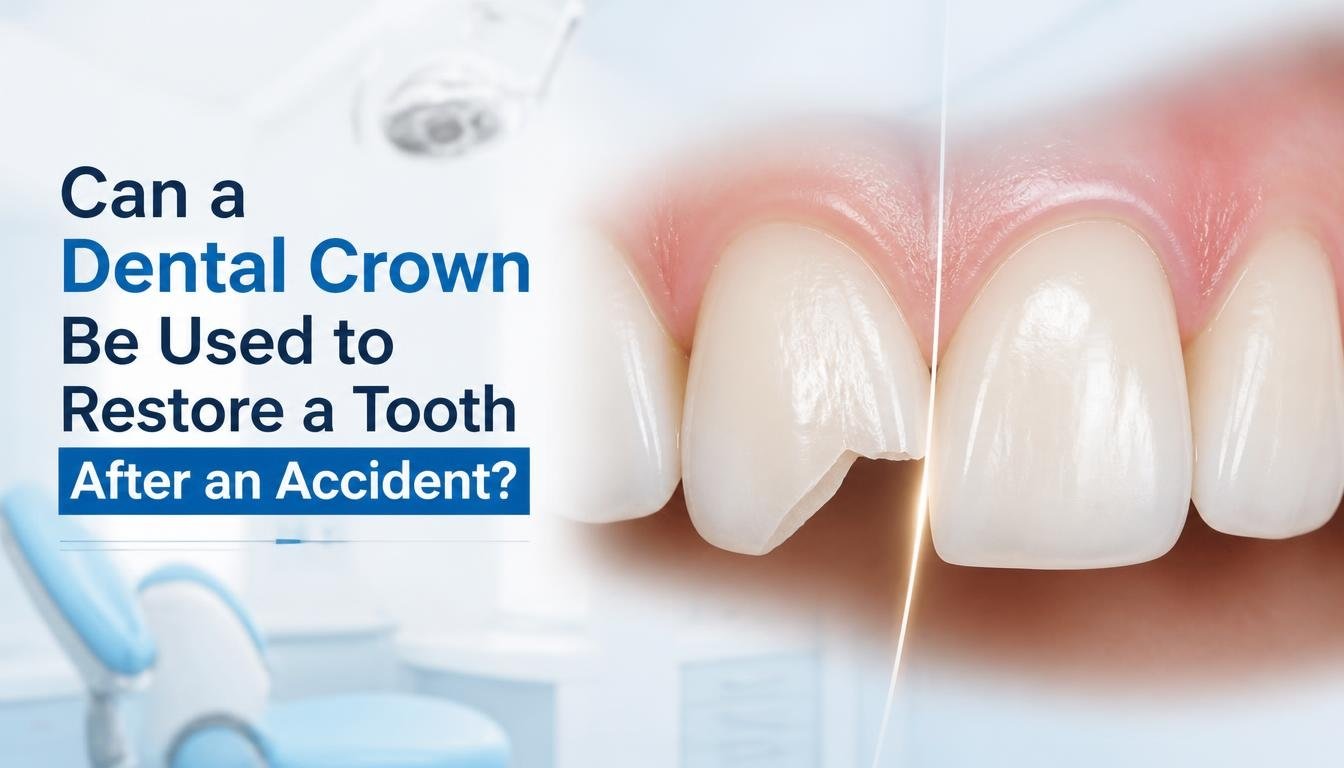
One common question patients ask after experiencing dental trauma is: Can a dental crown be used to restore a tooth after an accident?
The answer is yes. A dental crown can be an effective restorative solution when a significant portion of a tooth has been damaged but the remaining tooth structure and root are healthy enough to support restoration.
Depending on the severity of the injury, a dentist may recommend dental bonding, a filling, root canal treatment, or a custom-made dental crown to restore the affected tooth.
If you have suffered a dental injury and are considering dental crown treatment in Noida, understanding your treatment options can help you make an informed decision.
What Happens to Your Teeth After an Accident?
A sudden impact to the mouth can cause different types of dental injuries. The treatment depends on how severely the tooth and its supporting structures have been affected.
Some common types of dental injuries include:
1. Chipped Tooth
A chipped tooth occurs when a small piece of enamel breaks away because of an accidental impact or biting on something hard.
Minor chips may be repaired using tooth-coloured composite bonding. However, larger chips may require a more protective restoration depending on the amount of remaining tooth structure.
2. Cracked Tooth
A cracked tooth develops when a fracture extends into the enamel and sometimes the deeper layers of the tooth.
You may experience pain while chewing, sensitivity to hot or cold foods, or discomfort when biting down.
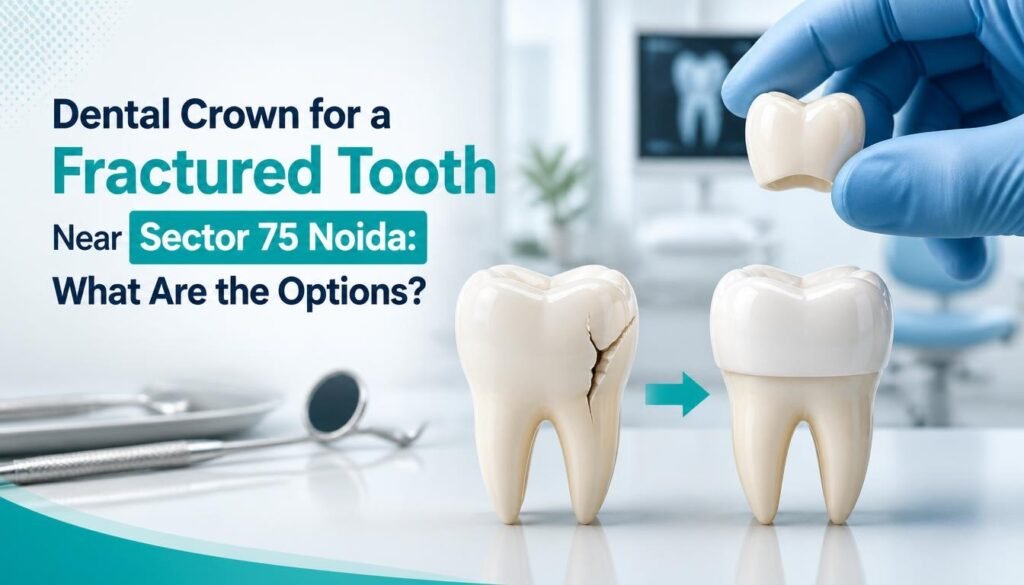
If the crack has weakened a significant portion of the tooth, a dental crown may be recommended to provide coverage and protection.
3. Broken or Fractured Tooth
A severe accident can cause a substantial portion of the visible tooth to break off.
When a large amount of tooth structure is missing, a dental crown may help restore the tooth’s shape, appearance, and chewing function, provided the remaining structure is suitable.
4. Tooth Displacement or Knocked-Out Tooth
Sometimes, an accident does not just break the tooth but pushes it out of its normal position or completely knocks it out.
A displaced tooth may require repositioning and stabilisation. A completely knocked-out permanent tooth requires immediate emergency dental attention.
Important: A dental crown is not the immediate treatment for a completely knocked-out tooth. The priority is to seek emergency dental care and determine whether the natural tooth can be saved.
Can a Dental Crown Restore a Tooth After an Accident?
Yes, a dental crown can restore a tooth after an accident if the damage is extensive enough to require full coverage and sufficient healthy tooth structure remains to support the crown.
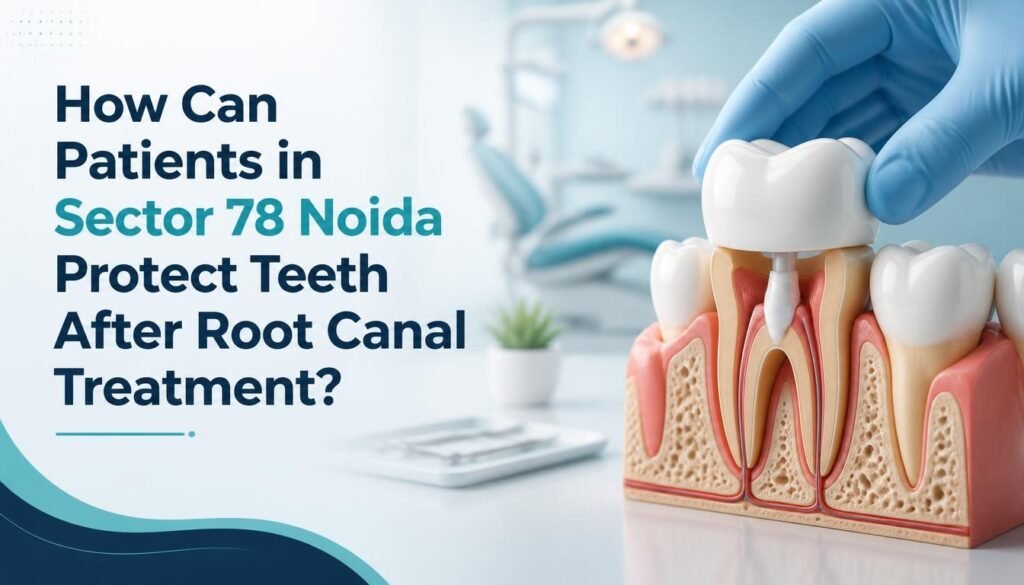
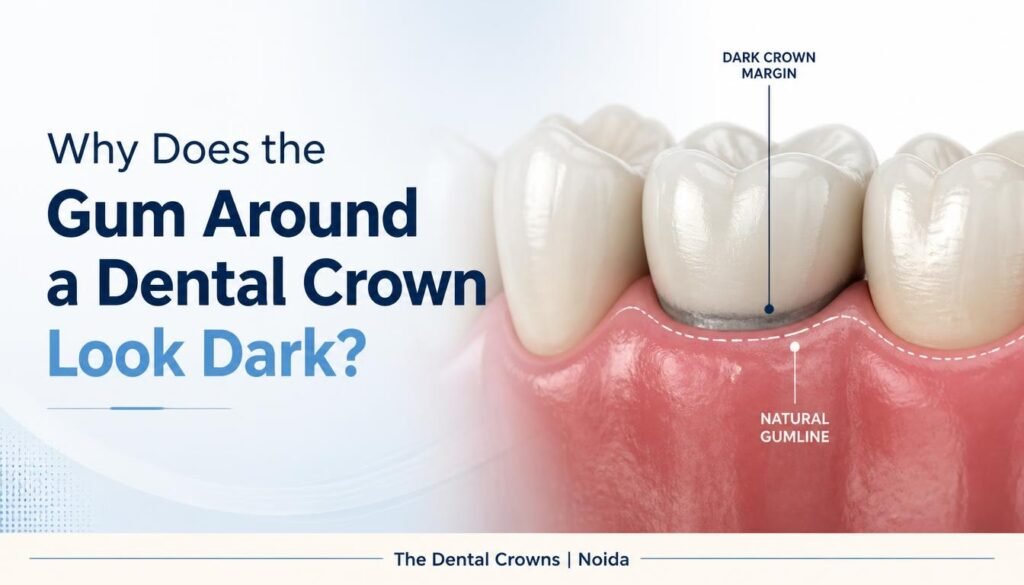
A dental crown is a custom-made cap placed over a prepared tooth. It covers the visible portion of the damaged tooth and helps restore its original shape, strength, appearance, and function.
Your dentist may recommend a dental crown when:
- A large portion of the tooth has broken off.
- The tooth has suffered a substantial fracture.
- The remaining tooth structure has become weak.
- A previous filling is no longer sufficient to restore the tooth.
- The tooth has undergone root canal treatment following an accident.
- The tooth needs additional protection against chewing forces.
However, not every accident-related dental injury requires a crown. Small chips and minor fractures may be treated with simpler restorative procedures.
The dentist must first examine the tooth and determine the most appropriate treatment.
When Do You Need a Dental Crown After a Tooth Injury?
The decision to use a dental crown depends on the location, depth, and severity of the fracture.
Here are some situations where a dental crown may be recommended.
1. When a Large Part of the Tooth Is Broken
If an accident causes a substantial portion of your tooth to break, a regular filling may not provide enough structural support.
A dental crown can cover the remaining tooth and help restore its shape and chewing ability.
2. When the Tooth Has Undergone Root Canal Treatment
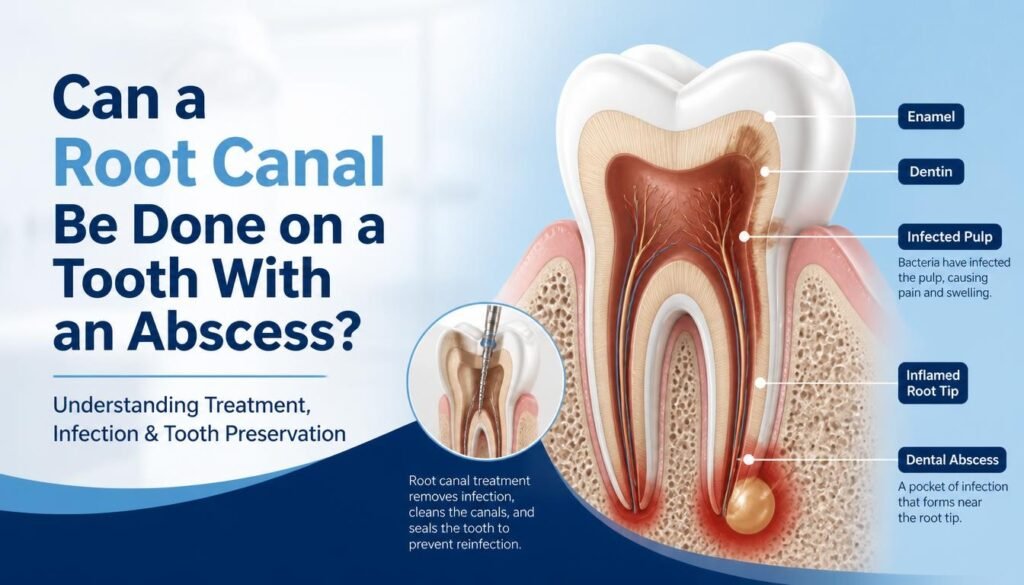
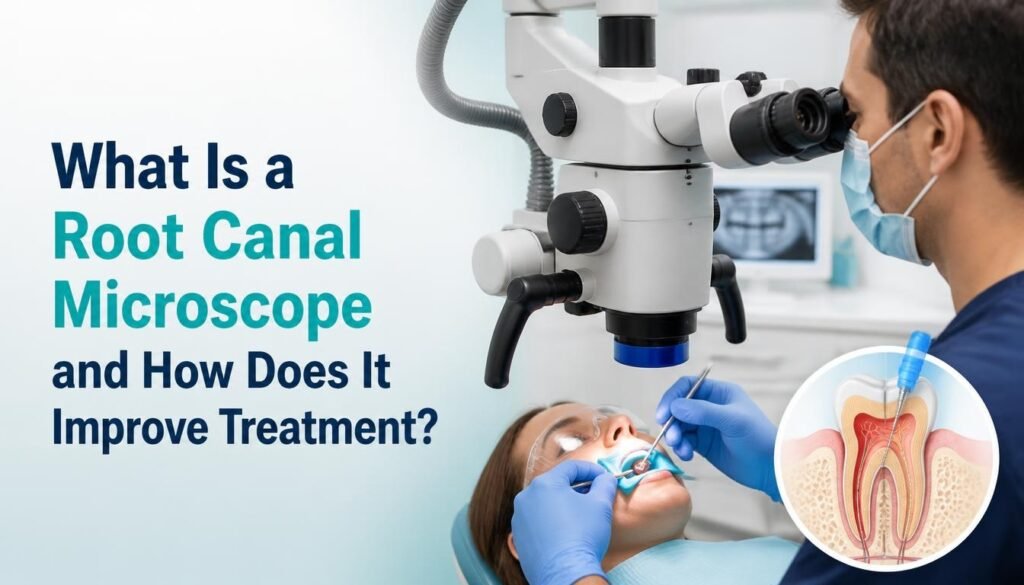
An accident can sometimes damage the pulp, which is the soft tissue containing nerves and blood vessels inside the tooth.
If the pulp becomes irreversibly damaged or infected, root canal treatment may be required.
After the procedure, a dental crown may be recommended depending on the remaining tooth structure and the amount of protection needed.
Learn more about Root Canal Treatment in Noida.
3. When a Tooth Has a Significant Fracture
Some fractures extend deeper into the tooth and weaken its overall structure.
A dentist may recommend a crown if the fracture can be managed and the remaining tooth is restorable.
However, a vertical root fracture or a fracture extending too far below the gumline may make the tooth unsuitable for crown restoration.
4. When the Tooth’s Appearance Is Affected
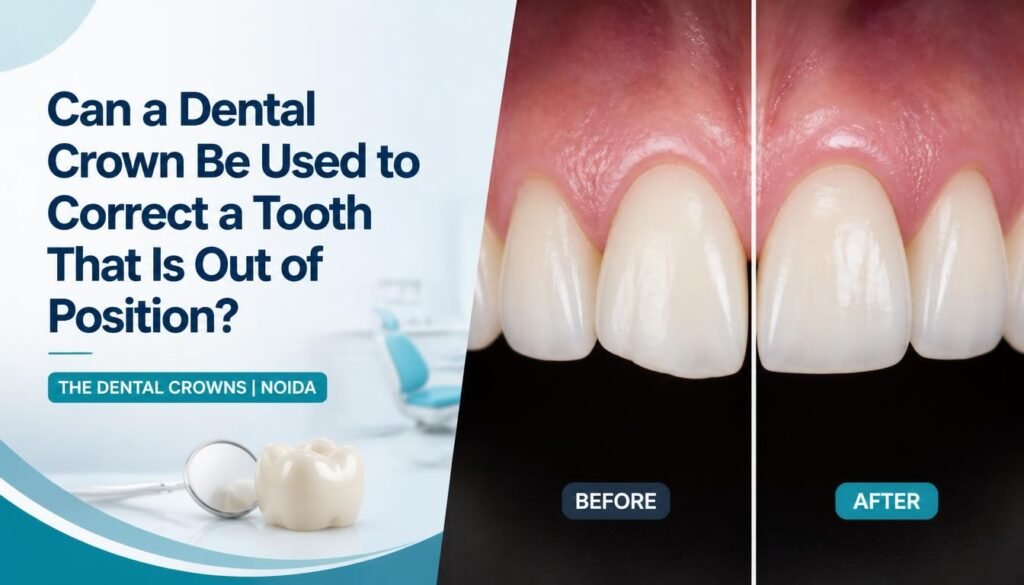
Accidents involving front teeth can noticeably affect your smile.
Depending on the extent of damage, a tooth-coloured ceramic or zirconia crown may be considered to restore the tooth’s appearance while providing the required coverage.
The appropriate material depends on the tooth’s position, bite, remaining structure, and clinical requirements.
What Are the Different Treatments for a Broken Tooth After an Accident?
A dental crown is only one of several treatment options available for accident-related dental injuries.
Your dentist may recommend one of the following treatments.
Dental Bonding
Dental bonding uses tooth-coloured composite resin to repair minor chips and selected small fractures.
It is generally suitable when the damage is limited and the remaining tooth structure is healthy.
Dental Filling
A filling may be recommended when a relatively small portion of the tooth is damaged and sufficient healthy structure remains.
Dental Crown
A dental crown is suitable for selected cases involving substantial damage or weakened tooth structure.
It covers the visible portion of the tooth and helps restore its shape, strength, and function.
Root Canal Treatment
If the accident damages the pulp inside the tooth, root canal treatment may be necessary.
It involves removing the affected pulp tissue, cleaning and sealing the root canals, and restoring the tooth.
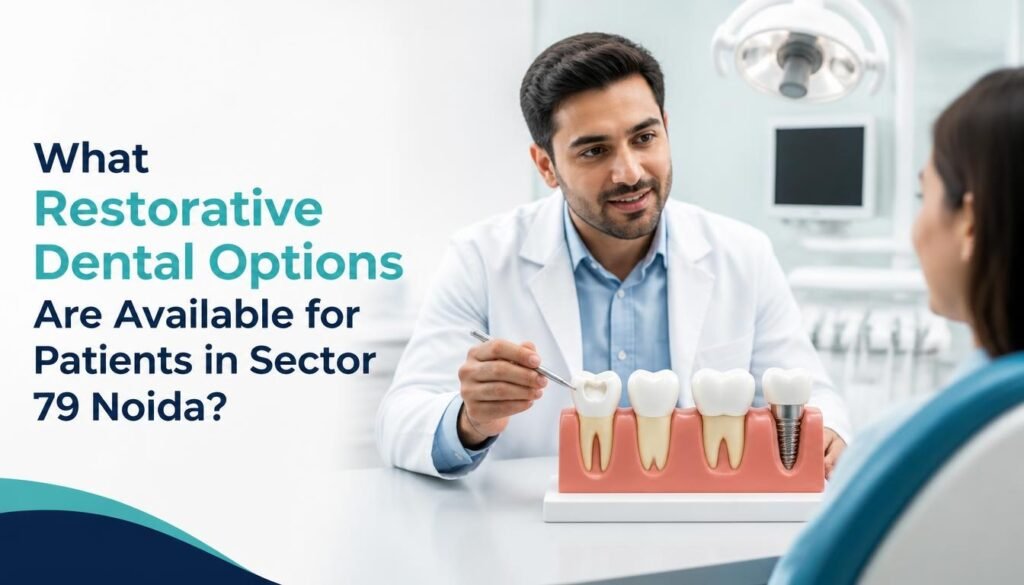
Tooth Extraction and Dental Implant
If the tooth is severely damaged and cannot be restored predictably, extraction may be necessary.
In suitable cases, a dental implant can subsequently be considered to replace the missing tooth.
Explore Dental Treatments and Services at The Dental Crowns to understand the available restorative options.
What Is the Procedure for Getting a Dental Crown After an Accident?
The dental crown procedure generally involves several steps. However, the exact process depends on the injury and whether additional treatment is required.
Step 1: Dental Examination
The dentist examines the injured tooth, checks for visible fractures, and evaluates the surrounding gums and supporting structures.
You may also be asked about the accident, pain, sensitivity, and other symptoms.
Step 2: Dental X-Rays
Dental X-rays may be recommended to examine the tooth root, surrounding bone, and possible hidden damage.
This helps determine whether the tooth can be restored using a dental crown.
Step 3: Treating the Damaged Tooth
If the tooth has a minor fracture, the dentist may recommend bonding or a filling.
If the pulp is infected or irreversibly damaged, root canal treatment may be necessary before the final restoration.
In selected traumatic injuries, preserving the pulp may be possible, so root canal treatment should not be performed automatically.
Step 4: Tooth Preparation
If a crown is suitable, the dentist prepares the remaining tooth structure to accommodate the restoration.
An impression or digital scan may be taken to create a customised crown.
Step 5: Crown Placement
A temporary crown may be placed while the permanent restoration is being prepared.
Once the final crown is ready, the dentist checks its fit, appearance, and bite before securing it in place.
Step 6: Follow-Up and Aftercare
Follow-up appointments help monitor the injured tooth, surrounding tissues, and restoration.
This is particularly important after dental trauma because certain complications may develop even after the initial treatment.
What Should You Do Immediately After Breaking a Tooth in an Accident?
Taking the right steps immediately after a dental injury can help protect your tooth and reduce the risk of further damage.
Here are some important precautions:
- Rinse your mouth gently: Use clean water to remove blood and debris.
- Apply a cold compress: Place a cold compress on the outside of your cheek to help reduce swelling.
- Save the broken tooth fragment: If possible, collect the broken piece and take it to your dentist.
- Avoid chewing on the injured side: This helps prevent additional damage.
- Do not attempt to repair the tooth yourself: Avoid household adhesives or other DIY treatments.
- Visit a dentist promptly: Even if the tooth does not hurt, hidden damage may be present.
If a permanent tooth has been completely knocked out, pick it up by the crown rather than the root. Avoid scrubbing it. If possible, keep it in milk or a suitable tooth-preservation solution and seek emergency dental care immediately. A dentist may be able to reimplant it, and time is critical.
How Long After an Accident Can You Get a Dental Crown?
The timing of dental crown placement depends on the severity of the injury.
However, if the accident has affected the pulp, root, or surrounding tissues, additional treatment and monitoring may be required before placing the permanent crown.
In certain cases, the dentist may initially use a temporary restoration and delay the final crown until the condition of the tooth is clearer.
It is important not to rush into permanent crown placement without properly evaluating the injury.
How to Take Care of Your Dental Crown After an Accident
Once your dental crown has been placed, maintaining good oral hygiene is essential.
Follow these simple care tips:
- Brush your teeth twice daily using a soft-bristled toothbrush.
- Floss or clean between your teeth every day.
- Avoid biting extremely hard objects.
- Do not use your teeth to open packages or bottles.
- Follow your dentist’s instructions regarding temporary crowns.
- Attend recommended dental follow-up appointments.
- Inform your dentist if you experience persistent pain, swelling, or an uneven bite.
Proper oral care can help maintain the crown and protect the underlying tooth.
Where Can You Get Dental Crown Treatment in Noida?
If you have experienced a dental injury and are looking for suitable restorative treatment, professional dental evaluation is important.
The Dental Crowns, located at Civitech Stadia, Sector 79, Noida, provides dental consultation and restorative dental services for patients from Sector 79 and nearby areas.
Patients from Noida Sectors 74, 75, 76, 77, 78, and 79 can consult the clinic to understand their treatment options.
You can explore the clinic’s complete range of dental services or visit the website to learn more about dental crown treatment.
Frequently Asked Questions (FAQs)
1. Can a dental crown fix a broken tooth after an accident?
Yes. A dental crown can restore a broken tooth when a substantial amount of tooth structure is damaged but sufficient healthy structure remains to support the restoration. The dentist must first assess the fracture.
2. Can I get a dental crown immediately after breaking my tooth?
Not always. The dentist must first examine the tooth and check for damage to the pulp, root, and surrounding tissues. Depending on the injury, additional treatment or monitoring may be needed before placing a permanent crown.
3. Do I need a root canal before getting a dental crown?
No. A root canal is not necessary for every dental crown. It is generally recommended when the pulp is irreversibly inflamed, infected, or otherwise requires endodontic treatment.
4. Can a severely fractured tooth be saved with a dental crown?
Some severely fractured teeth can be saved using a dental crown, provided the fracture does not make the tooth unrestorable. The location and depth of the fracture are important factors.
5. Is a dental crown better than a filling for a broken tooth?
A filling may be sufficient for minor damage, while a crown may be more appropriate when a large portion of the tooth is weakened or missing. The dentist will recommend the treatment based on the remaining tooth structure.
6. What happens if my tooth is completely knocked out after an accident?
A completely knocked-out permanent tooth requires immediate emergency dental attention. A crown cannot replace the immediate treatment needed to manage the injury. Prompt reimplantation may help save the natural tooth.
7. Which dental crown is best for a front tooth damaged in an accident?
Tooth-coloured ceramic and zirconia crowns may be considered for front teeth. The best option depends on appearance, strength, available tooth structure, bite, and the dentist’s recommendation.
8. Can a dental crown restore the original appearance of my smile?
A properly designed tooth-coloured crown can help restore the damaged tooth’s shape, colour, and appearance. The final result depends on the condition of the tooth and the selected crown material.
9. How long does a dental crown last after an accident?
A dental crown can last for many years, but its lifespan varies depending on the material, oral hygiene, bite forces, and condition of the underlying tooth. Regular dental check-ups can help identify problems early.
10. Where can I get dental crown treatment near Sector 79 Noida?
The Dental Crowns is located at Civitech Stadia, Sector 79, Noida. Patients can consult the clinic for dental examination and appropriate restorative treatment options.
Conclusion
A broken or damaged tooth after an accident does not always mean that you will lose your natural tooth. In many cases, a dental crown can help restore a significantly damaged tooth, improve its appearance, and support normal chewing function.
However, the right treatment depends on the extent of the fracture, the condition of the tooth root, and whether the dental pulp has been affected.
Whether you need dental bonding, a filling, root canal treatment, or a custom-made dental crown, early diagnosis can make a significant difference in protecting your oral health.
If you have suffered a dental injury, do not ignore the damage simply because you are not experiencing pain. Consult a qualified dentist for an examination and personalised treatment advice.
Looking for dental crown treatment in Noida? Contact The Dental Crowns to discuss your dental concerns and explore suitable options for restoring your damaged tooth.
Medical Disclaimer: This article is intended for general educational purposes and does not replace professional dental advice, diagnosis, or treatment. Dental injuries should be evaluated by a qualified dental professional.