A dental bridge is designed to restore your smile and replace missing teeth, but what happens when one of the supporting teeth develops an infection? Can you still undergo root canal treatment without removing the entire bridge?
The answer is yes. A tooth supporting a dental bridge can sometimes require root canal treatment, even months or years after the bridge has been placed. The treatment approach depends on the condition of the affected tooth, the type of bridge, the location of the infection and the accessibility of the tooth.
If you live near Sector 78 Noida and experience toothache, sensitivity, swelling or discomfort while chewing around an existing dental bridge, understanding the available treatment options can help you take the next step.
At The Dental Crowns, located in nearby Sector 79, Noida, patients can explore dental bridge treatment, root canal treatment and other restorative dental solutions after a professional examination.
What Is a Dental Bridge and How Does It Work?
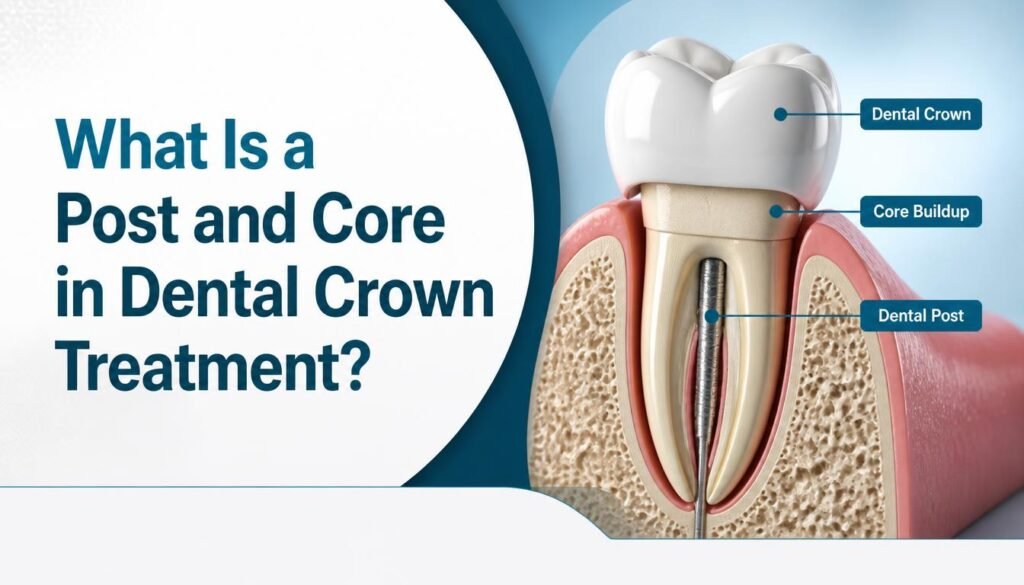
A dental bridge is a fixed dental restoration used to replace one or more missing teeth. It fills the gap using an artificial tooth, known as a pontic, supported by neighbouring natural teeth or dental implants.
In a conventional dental bridge, the natural teeth on either side of the missing tooth are prepared and covered with crowns. These supporting teeth are called abutment teeth.
Although a dental bridge restores chewing function and improves the appearance of your smile, the natural teeth underneath the supporting crowns still require proper care.
Like any other natural tooth, an abutment tooth can develop:
- Tooth decay beneath or around the crown margins.
- Infection inside the dental pulp.
- Cracks or structural damage.
- Inflammation caused by dental trauma.
- Problems associated with previous dental procedures.
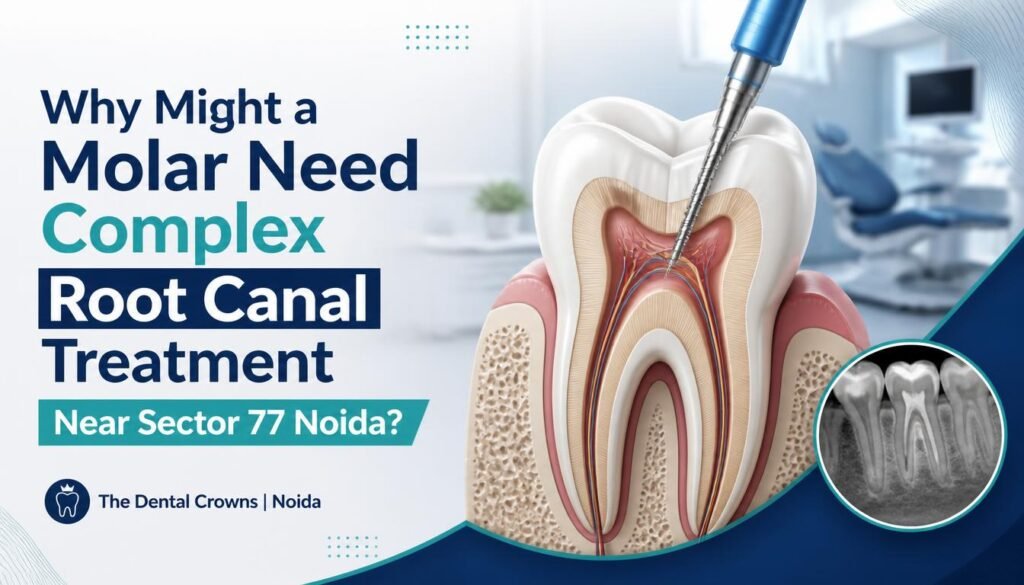
If bacteria reach the pulp inside an abutment tooth, root canal treatment may become necessary.
Can a Tooth With a Dental Bridge Need Root Canal Treatment?
Yes, a supporting tooth underneath a dental bridge can need root canal treatment.
A dental bridge does not make the supporting natural teeth immune to infection or damage. The tooth underneath a bridge still contains nerves, blood vessels and living pulp tissue.
If the pulp becomes inflamed or infected, a dentist may recommend root canal treatment to remove the infected tissue, clean and disinfect the root canals, and seal the tooth.
There are several reasons why a tooth supporting a dental bridge might require RCT:
1. Deep Tooth Decay
Decay can develop around the margins of a dental bridge if plaque accumulates near the supporting crowns.
If bacteria penetrate deep into the natural tooth and reach the pulp, root canal treatment may be required.
2. Nerve Damage After Bridge Preparation
Preparing natural teeth for conventional dental bridges involves removing some tooth structure.
In certain cases, the dental pulp may become irritated or damaged following tooth preparation. Some teeth may subsequently develop irreversible pulp inflammation or infection.
3. Cracked or Damaged Supporting Tooth
A supporting tooth can develop cracks due to chewing pressure, trauma or structural weakness.
If the damage affects the pulp, root canal treatment may be necessary, depending on the location and severity of the crack.
4. Infection Beneath an Existing Crown
An old or damaged restoration can sometimes allow bacteria to enter the underlying tooth.
New decay, a compromised crown margin or a damaged restoration may expose the tooth to further infection.
5. Previous Dental Problems
A supporting tooth may already have had a large filling, deep cavity or previous restorative procedure before the dental bridge was placed.
Such teeth may have an increased risk of developing pulp-related complications.
What Are the Signs That a Tooth Under Your Dental Bridge Needs Root Canal Treatment?
Identifying symptoms early can help prevent an existing dental problem from becoming more complicated.
If you have a dental bridge and experience any of the following symptoms, consider scheduling a dental examination.
Persistent Toothache
Continuous or recurring pain around a supporting tooth may indicate inflammation, infection or another dental problem.
The discomfort may become more noticeable while eating or applying pressure.
Sensitivity to Hot and Cold Foods
Lingering sensitivity to hot tea, coffee or cold beverages may indicate an issue with the underlying tooth.
However, sensitivity alone does not confirm that root canal treatment is necessary.
Pain While Chewing
If biting or chewing causes discomfort around one side of your dental bridge, the supporting tooth, surrounding tissues or bite alignment may need evaluation.
Swollen or Tender Gums
Swelling around the supporting tooth may indicate infection or gum inflammation.
Sometimes, a small pimple-like swelling can develop near the affected tooth.
Bad Taste or Unpleasant Smell
An unpleasant taste or smell around a dental bridge can sometimes be associated with trapped food, plaque accumulation, gum disease or infection.
Discomfort Around an Old Dental Bridge
If your dental bridge has been in place for several years and you suddenly experience pain, sensitivity or swelling, do not assume it is simply an ageing restoration.
A dentist should examine both the bridge and its supporting teeth.
Important: These symptoms do not automatically mean you need a root canal. A clinical examination and appropriate diagnostic imaging are needed to identify the actual cause.
Can Root Canal Treatment Be Performed Without Removing the Dental Bridge?
This is one of the most common concerns among patients who already have a fixed dental bridge.
In selected cases, root canal treatment can be performed through the existing bridge without removing the entire restoration.
The dentist may create a small access opening through the crown portion covering the affected supporting tooth. This allows access to the pulp chamber and root canals.
However, this approach is not suitable for every patient.
The decision depends on several factors:
- The type and design of the existing dental bridge.
- The location of the affected supporting tooth.
- The condition of the bridge and its supporting crowns.
- The extent of tooth decay or structural damage.
- Whether the affected tooth can be accessed safely.
- Whether the existing bridge can remain functional after treatment.
When Can the Existing Bridge Be Preserved?
Your dentist may consider preserving the bridge if:
- The bridge is stable and properly fitted.
- The supporting tooth has sufficient remaining structure.
- The infection can be accessed and treated appropriately.
- There are no major cracks or structural problems.
- The existing restoration can be adequately sealed after treatment.
After root canal treatment, the access opening must be restored with an appropriate filling or restorative material.
When Might the Dental Bridge Need Removal?
Removing or replacing the existing bridge may be considered when:
- The bridge is loose or damaged.
- Extensive decay is present underneath the supporting crown.
- The supporting tooth has a significant fracture.
- The existing restoration prevents proper access.
- The bridge has poor margins or an inadequate fit.
- The restoration cannot be reliably repaired after treatment.
Your dentist will evaluate whether preserving the bridge is practical or whether a new restoration would provide a more suitable long-term solution.
How Is Root Canal Treatment Performed on a Tooth Supporting a Dental Bridge?
Root canal treatment involving an existing dental bridge requires careful diagnosis and treatment planning.
The general procedure may include the following stages.
Step 1: Dental Examination
The dentist examines the dental bridge, supporting teeth and surrounding gums.
You may be asked about the location, duration and intensity of your symptoms.
Step 2: Dental X-Ray and Diagnosis
Dental X-rays may help the dentist assess the roots, surrounding bone, possible infection and condition of the supporting tooth.
Additional imaging, including a CBCT scan, may be considered when clinically indicated.
Step 3: Accessing the Affected Tooth
If the existing bridge can be preserved, the dentist may create an access opening through the crown covering the affected tooth.
If the bridge needs removal, the dentist will discuss the available options before proceeding.
Step 4: Cleaning and Disinfection
The infected or inflamed pulp is removed.
The root canal system is carefully cleaned, shaped and disinfected to reduce bacteria.
Step 5: Filling and Sealing the Root Canals
After cleaning, the canals are filled with an appropriate root canal filling material and sealed.
Step 6: Restoring the Dental Bridge
The access opening is restored with a suitable restorative material if the bridge has been preserved.
If the bridge was removed, a new crown or bridge may be planned depending on the remaining tooth structure and overall condition.
The exact procedure and number of appointments depend on the complexity of the case.
Is Root Canal Treatment Painful When You Already Have a Dental Bridge?
Many patients worry that root canal treatment will be more painful when performed on a tooth supporting an existing dental bridge.
However, the presence of a bridge does not automatically make the procedure more painful.
Root canal treatment is generally performed using local anaesthesia to keep the procedure comfortable.
You may experience some temporary tenderness or sensitivity after treatment, particularly if the surrounding tissues were inflamed before the procedure.
Your dentist will explain the treatment process and provide appropriate aftercare instructions.
If you are experiencing persistent toothache or discomfort, you can also read our guide on Root Canal Treatment Near Noida Sector 78.
What Happens If You Ignore an Infected Tooth Under a Dental Bridge?
Ignoring an infected supporting tooth can lead to further dental complications.
An untreated infection may cause:
- Increasing toothache.
- Formation of a dental abscess.
- Swelling around the affected tooth.
- Damage to surrounding supporting tissues.
- Difficulty chewing.
- Possible loss of the supporting tooth.
- Complications affecting the existing bridge.
If the supporting tooth becomes severely damaged, preserving the original bridge may become difficult.
Early dental assessment can help determine whether root canal treatment or another procedure is needed.
Seek urgent dental or medical care if you develop facial swelling, fever or difficulty swallowing or breathing. Difficulty breathing or swallowing requires emergency attention.
How Can You Protect Your Dental Bridge After Root Canal Treatment?
After treatment, maintaining proper oral hygiene is essential for protecting both the restored tooth and the existing dental bridge.
Here are some practical tips:
1. Brush Twice Daily
Use a soft-bristled toothbrush and fluoride toothpaste to clean your teeth and the areas around your bridge.
2. Clean Under the Bridge
Food particles and plaque can accumulate underneath the artificial tooth.
Use suitable floss threaders, interdental brushes or other cleaning aids recommended by your dentist.
3. Avoid Excessive Chewing Pressure
Avoid biting hard foods with the treated area until your dentist confirms that the restoration is ready for normal use.
4. Attend Regular Dental Check-ups
Regular examinations help identify problems around the bridge, gums and supporting teeth.
5. Do Not Ignore New Symptoms
If pain, swelling, sensitivity or looseness develops, arrange a dental assessment rather than waiting for the symptoms to disappear.
Where Can You Get Root Canal Treatment Near Sector 78 Noida?
If you are searching for root canal treatment near Sector 78 Noida, choosing a dental clinic that offers both endodontic and restorative dental care can be helpful.
The Dental Crowns is located at Civitech Stadia, Sector 79, Noida, making it a nearby option for patients living around Sector 78 and neighbouring residential areas.
The clinic lists several dental services, including:
- Painless root canal treatment.
- Dental bridges.
- Dental crown treatment.
- Tooth-coloured restorations.
- Dental implants.
- General and cosmetic dentistry.
Patients can explore the Dental Services at The Dental Crowns to learn more about the available treatment options.
The clinic focuses on personalized treatment planning, patient comfort and comprehensive dental care.
Clinic Details:
The Dental Crowns
Shop No. 16, 1st Floor, Civitech Stadia, Sector 79, Noida, Uttar Pradesh 201301.
Phone: +91 89202 71787
Website: https://thedentalcrowns.in/
If you are experiencing discomfort around an existing bridge, schedule an examination to understand whether the supporting tooth needs root canal treatment and whether your existing bridge can be preserved.
Frequently Asked Questions (FAQs)
1. Can a tooth under a dental bridge develop an infection?
Yes. The natural teeth supporting a dental bridge can develop decay, pulp inflammation or infection. A bridge protects the visible prepared tooth surface but does not eliminate the possibility of dental problems underneath or around the restoration.
2. Can you get a root canal without removing a dental bridge?
Yes, in selected cases. A dentist may access the affected supporting tooth through an opening in the crown portion of the bridge. However, removal may be necessary if the bridge is damaged, decay is extensive or access is unsuitable.
3. How do I know if my dental bridge is infected?
Persistent pain, sensitivity, swollen gums, tenderness while chewing and unpleasant taste may indicate a dental problem. An examination and appropriate X-rays are needed to identify the cause.
4. Does every tooth supporting a dental bridge need a root canal?
No. Root canal treatment is only recommended when the dental pulp is irreversibly inflamed or infected or when another appropriate endodontic indication exists. Many teeth supporting bridges remain healthy without requiring RCT.
5. Can a dental bridge be saved after root canal treatment?
Yes, sometimes. If the bridge is stable, the supporting tooth is restorable and the access opening can be properly sealed, the existing bridge may be preserved. The outcome depends on the individual case.
6. How long does root canal treatment take for a tooth under a bridge?
The duration depends on the tooth’s location, root canal anatomy, infection and accessibility. Some cases may require one appointment, while others need multiple visits.
7. Is it normal to experience pain under an old dental bridge?
No new or persistent pain should be ignored. It may be associated with decay, infection, a cracked tooth, gum disease or bite-related problems. A dentist should evaluate the area.
8. Where can I find a dentist for root canal treatment near Sector 78 Noida?
Patients around Sector 78 Noida can visit The Dental Crowns at Civitech Stadia, Sector 79, Noida, for consultation regarding root canal treatment and restorative dental care.
Final Thoughts
A dental bridge can restore missing teeth and improve chewing function, but the natural teeth supporting it still need regular care and attention.
If a supporting tooth develops an infection, root canal treatment may help preserve it. In selected situations, the procedure can be completed without removing the existing dental bridge. However, the final decision depends on the condition of the tooth and restoration.
If you are experiencing toothache, sensitivity, swelling or discomfort around your dental bridge, do not delay getting it examined.
For patients searching for root canal treatment near Sector 78 Noida, The Dental Crowns in nearby Sector 79 offers dental and restorative treatment options to help address individual dental concerns.
Book a dental consultation today and get your existing dental bridge and supporting teeth professionally evaluated.
Medical Disclaimer
This article is intended for general educational purposes only and should not replace professional dental advice, diagnosis or treatment. Not every painful tooth requires root canal treatment. The appropriate procedure, including whether an existing bridge can be preserved, must be determined by a qualified dental professional after examination and appropriate investigations.