Have you noticed a dark, grey, bluish, or black line around your dental crown? You are not alone. Many people notice changes in gum colour after getting a dental crown and wonder whether it is a sign of tooth decay, infection, or a problem with their dental restoration.
The good news is that dark gums around a dental crown are not always a sign of a serious dental problem. In some cases, the discoloration is caused by the metal component of an older crown. However, gum inflammation, recession, and other dental concerns may also be responsible.
Understanding the reason behind the discoloration is essential to determining whether you need cosmetic treatment, gum care, or further dental evaluation.
In this blog, we will explore why the gum around a dental crown looks dark, the common causes, available treatment options, and how to maintain healthy gums after crown placement.
Is It Normal for the Gum Around a Dental Crown to Look Dark?
A slight grey or dark line around a dental crown can occur, particularly with older porcelain-fused-to-metal (PFM) crowns. These crowns contain a metal base covered with tooth-coloured porcelain. Over time, the metal margin may become visible near the gumline, creating a dark appearance.
However, dark gums are not always normal. If the discoloration is accompanied by swelling, bleeding, tenderness, persistent bad breath, or pain, it may indicate an underlying dental or periodontal concern.
The appearance of your gums, the type of crown you have, and the presence of other symptoms can help your dentist identify the cause.
7 Common Reasons Why the Gum Around a Dental Crown Looks Dark
1. Metal Showing Through a Porcelain-Fused-to-Metal Crown
One of the most common causes of a dark line around a dental crown is the metal framework used in porcelain-fused-to-metal crowns.
As the gum tissue naturally recedes over time, the metal margin may become exposed, resulting in a grey or black line near the gumline.
Is it harmful? In many cases, this is primarily a cosmetic concern rather than an indication of infection or crown failure. A dentist can assess whether the crown is functioning properly and discuss aesthetic alternatives if needed.
2. Gum Recession Around the Dental Crown
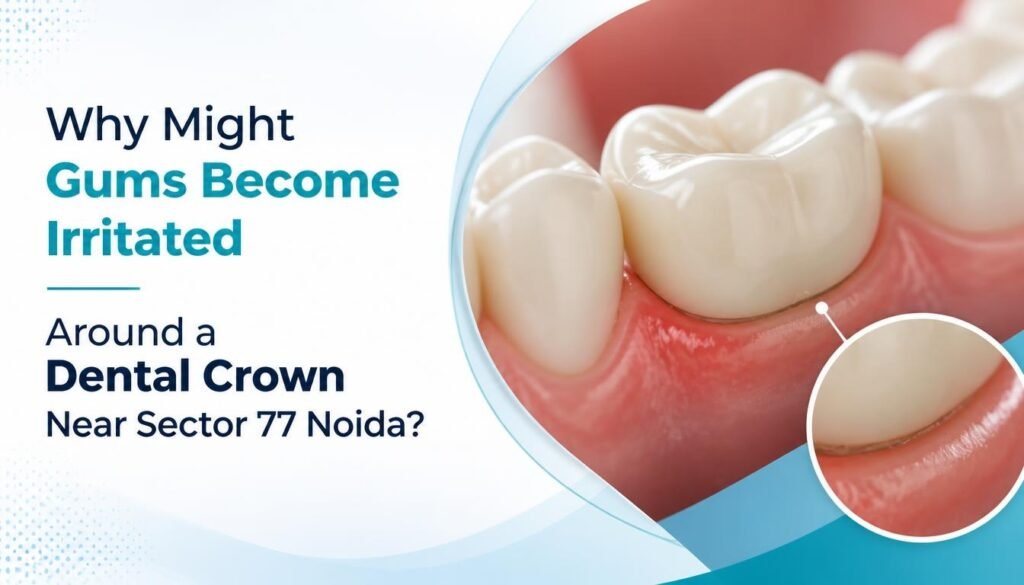
Gum recession occurs when the gum tissue gradually moves away from the tooth, exposing more of the underlying tooth structure or crown margin.
Several factors may contribute to gum recession, including:
- Aggressive brushing or using a hard-bristled toothbrush
- Existing gum disease
- Naturally thin gum tissue
- Age-related changes
- Poorly fitting dental restorations
When the gum recedes around a crown, the darker underlying structure may become visible. This can make the crown appear less natural, particularly near the front teeth.
Early dental evaluation can help identify the cause and prevent further gum tissue damage.
3. Gum Inflammation or Gingivitis
Gingivitis is an early stage of gum disease caused primarily by plaque accumulation along the gumline.
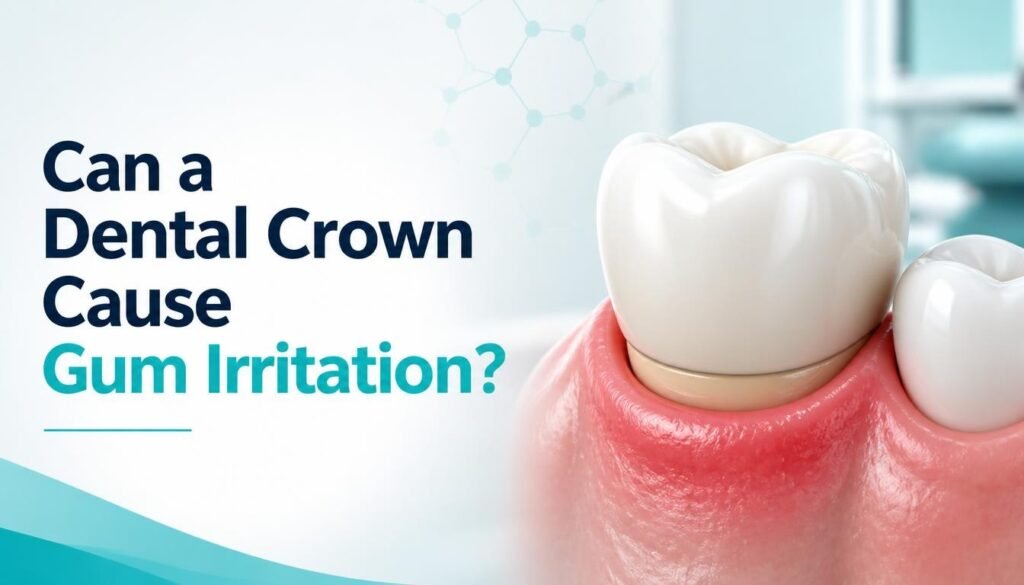
When plaque builds up around a dental crown, the surrounding gums may become inflamed and appear darker red, purple, or swollen.
Common symptoms include:
- Bleeding while brushing or flossing
- Tender or swollen gums
- Persistent bad breath
- Changes in gum colour
- Discomfort around the crown
A crown with an irregular or poorly fitting margin may make plaque removal more difficult, increasing the risk of gum inflammation.
Professional dental cleaning and improved oral hygiene can help manage early gum disease. If the condition progresses, further periodontal treatment may be necessary.
4. Metal Particles Deposited in the Gum Tissue
In some cases, tiny particles from dental materials may become embedded in the surrounding gum tissue during or after dental treatment.
This may produce a small, localised grey, blue, or dark spot that resembles a permanent stain or bruise.
This type of pigmentation is sometimes referred to as a gingival tattoo. It is generally different from a dark line caused by the metal edge of a crown.
A dentist can examine the affected area to determine whether the pigmentation is harmless or requires further investigation.
5. An Improperly Fitting Dental Crown
A dental crown should fit accurately around the prepared tooth. If the crown margin is irregular, open, or poorly adapted, it may create areas where food particles and bacteria accumulate.
Over time, this can contribute to:
- Plaque and tartar buildup
- Gum irritation
- Bleeding and swelling
- Secondary tooth decay near the crown margin
- Changes in gum appearance
If the crown is not fitting properly, professional evaluation is important. Depending on the findings, the dentist may recommend cleaning, repairing, or replacing the restoration.
6. Tooth Decay or Infection Beneath the Crown
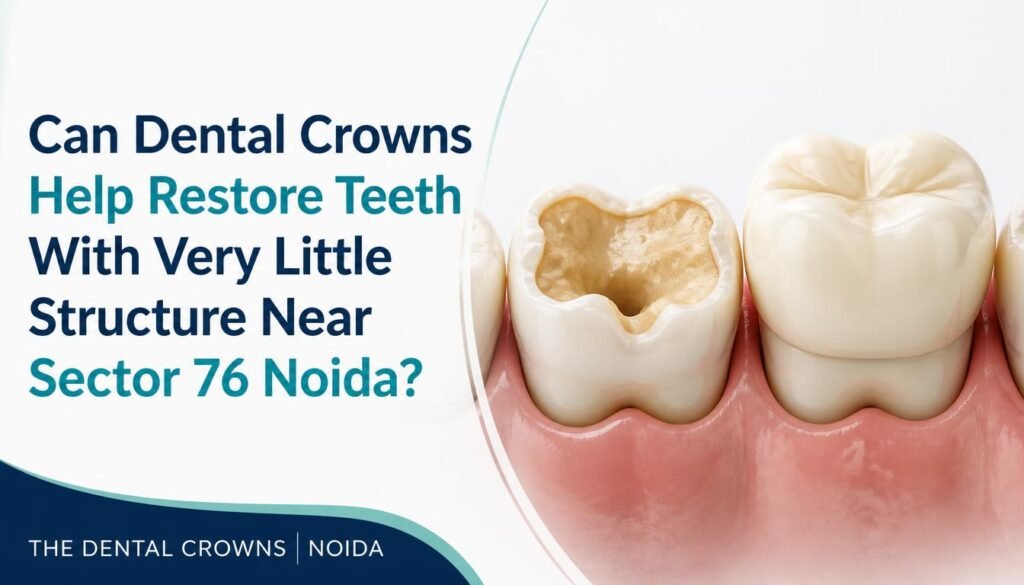
Although dental crowns are designed to protect damaged teeth, the underlying tooth can still develop decay or other complications.
If bacteria enter through a compromised crown margin, recurrent decay may develop underneath the restoration. In some cases, changes in the underlying tooth may also create a dark shadow near the gumline.
Possible warning signs include:
- Persistent or increasing toothache
- Sensitivity to hot or cold
- Swelling near the crowned tooth
- Pain while chewing
- A bad taste in the mouth
Not every affected tooth will produce noticeable symptoms. Your dentist may recommend a clinical examination and dental X-ray to assess the condition of the tooth beneath the crown.
7. Natural Gum Pigmentation
Not everyone’s gums are naturally pink. Healthy gum tissue can range from light pink to brown or darker shades depending on natural pigmentation.
Sometimes, the contrast between the gum colour and the dental crown makes the area appear darker than it actually is.
If the pigmentation is longstanding, symmetrical, and not accompanied by symptoms, it may simply be a natural characteristic of your gums.
However, any new, rapidly changing, irregular, or unexplained dark patch should be examined by a dental professional.
How Can You Tell Whether Dark Gums Around a Crown Are a Problem?
The appearance of the discoloration can provide useful clues, although only a dental examination can establish the cause.
| Appearance | Possible explanation |
|---|---|
| Thin grey or black line at the crown edge | Visible metal margin of a PFM crown |
| Dark red or purple swollen gums | Gum inflammation |
| Small, localised grey-blue spot | Possible embedded metal particles |
| Darkening with pain or sensitivity | Possible underlying tooth problem |
| Dark area with bleeding or bad breath | Possible plaque accumulation or gum disease |
Important: Do not rely on colour alone to diagnose a dental condition. Different causes can produce similar visual changes.
How Is Dark Gum Around a Dental Crown Treated?
Treatment depends on the underlying cause. Your dentist will first examine the crown, gum tissue, and surrounding tooth to determine whether the discoloration is cosmetic or associated with an oral health problem.
1. Replacing a Metal-Based Crown With a Metal-Free Crown
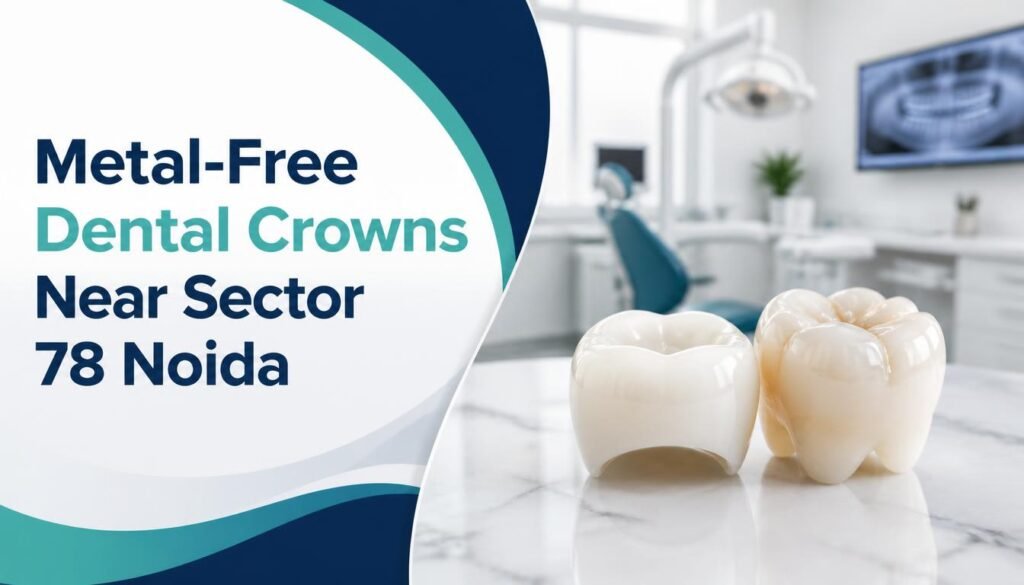
If the dark line is caused by a metal-based crown and you are concerned about its appearance, your dentist may recommend replacing it with an all-ceramic or zirconia crown.
Metal-free crowns offer several aesthetic advantages:
- Natural-looking tooth colour
- No metal framework to create a dark margin
- Improved light transmission in suitable materials
- Better aesthetic integration with surrounding teeth
However, replacing a crown is not necessary in every case. Your dentist will assess its condition, function, and suitability before recommending replacement.
2. Professional Dental Cleaning
If plaque and tartar accumulation are contributing to gum discoloration or inflammation, professional cleaning can help remove deposits from around the crown.
Depending on the severity of gum disease, your dentist may recommend scaling or other periodontal treatment.
Regular dental cleaning is also important for maintaining the health of the gums surrounding dental restorations.
3. Treating Gum Disease
When gum discoloration is associated with gingivitis or periodontitis, treatment focuses on controlling bacterial plaque and reducing inflammation.
Treatment may include:
- Professional scaling and root planing, when indicated
- Improved brushing and flossing techniques
- Periodontal maintenance appointments
- Further gum treatment depending on disease severity
Treating gum disease early can help protect the supporting tissues around both natural teeth and dental crowns.
4. Treating Tooth Decay or Other Underlying Problems
If an examination reveals decay, infection, or damage beneath the crown, the dentist will recommend appropriate treatment.
Depending on the condition of the tooth, treatment may involve addressing the decay, root canal treatment, or replacing a damaged crown.
For more information, explore our root canal treatment services.
5. Managing Gum Pigmentation
If the dark area is caused by embedded metal particles or natural pigmentation, treatment may not be necessary.
If the pigmentation is aesthetically concerning, a dentist can discuss appropriate options after determining the cause. Not every dark spot can or should be removed, and treatment should be based on an accurate diagnosis.
Can a Zirconia or Ceramic Dental Crown Prevent Dark Gums?
Metal-free crowns, such as zirconia and all-ceramic crowns, are popular options for patients who want a natural-looking restoration.
Unlike traditional PFM crowns, these crowns do not contain a metal substructure that can show through the gumline.
However, choosing a metal-free crown does not automatically prevent every type of gum discoloration. Gum recession, inflammation, poor oral hygiene, and other underlying conditions can still affect the appearance of the surrounding tissues.
The right crown material depends on several factors, including the location of the tooth, bite forces, aesthetic requirements, and overall dental health.
You can learn more about our porcelain dental crowns and discuss suitable restorative options with your dentist.
How to Prevent Dark Gum Discoloration Around Dental Crowns
Maintaining healthy gums is essential for the long-term success and appearance of a dental crown.
Follow these oral hygiene practices:
- Brush twice daily: Use a soft-bristled toothbrush and fluoride toothpaste.
- Clean between your teeth: Use dental floss or interdental cleaning aids to remove plaque around the crown.
- Avoid aggressive brushing: Excessive pressure can contribute to gum recession.
- Schedule regular dental checkups: Your dentist can assess the crown margin, gum health, and underlying tooth.
- Get professional cleaning when recommended: This helps control plaque and tartar buildup.
- Address dental concerns early: Do not ignore bleeding gums, persistent sensitivity, or changes around the crown.
A well-maintained crown, combined with healthy gums and regular dental care, can help preserve your smile for years.
When Should You Visit a Dentist for Dark Gums Around a Crown?
A stable, thin dark line around an older metal-based crown may not require urgent treatment. However, it is still worth discussing during your dental checkup.
Seek prompt dental evaluation if you experience:
- Sudden or rapidly increasing gum discoloration
- Persistent pain or sensitivity around the crowned tooth
- Swollen or bleeding gums
- Pus or discharge near the crown
- A loose, cracked, or damaged crown
- Persistent bad taste or unpleasant breath
Seek urgent dental care if you develop facial swelling, fever, or difficulty swallowing or breathing. These symptoms may indicate a spreading infection and require immediate attention.
Frequently Asked Questions (FAQs)
1. Why is there a black line around my dental crown?
A black or grey line around a dental crown is commonly associated with the metal margin of an older porcelain-fused-to-metal crown becoming visible near the gumline. Gum recession, staining, or other dental conditions may also cause discoloration.
2. Does a dark gum line mean my dental crown is failing?
Not necessarily. A dark line may be a cosmetic issue caused by the crown’s metal framework. However, a dentist should examine the crown to rule out gum disease, decay, or problems with its fit.
3. Can dark gums around a dental crown be reversed?
It depends on the cause. Gum inflammation may improve with professional cleaning and appropriate treatment. A visible metal margin may require crown replacement to improve aesthetics, while embedded metal pigmentation may not disappear simply by replacing the crown.
4. Are zirconia crowns better than metal crowns for gum health?
Zirconia crowns are metal-free and can offer excellent aesthetics. However, gum health depends on proper crown fit, oral hygiene, and the condition of the surrounding tissues. No crown material can replace good oral care.
5. Can I whiten my teeth to remove the dark line around a dental crown?
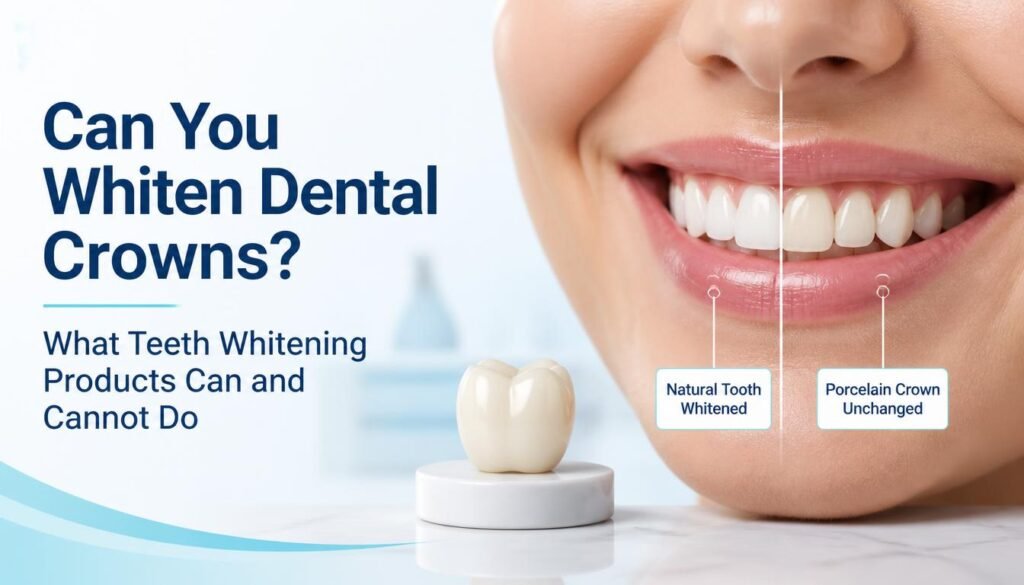
Teeth whitening does not remove a dark metal margin or change the colour of an existing dental crown. If the discoloration is related to the crown material, your dentist may discuss alternative restorative options.
6. How long does a dental crown last?
The lifespan of a dental crown varies depending on its material, placement, oral hygiene, bite forces, and maintenance. With proper care and regular dental checkups, many crowns can last for years.
7. Can gum disease develop around a dental crown?
Yes. Plaque can accumulate around a crown just as it can around natural teeth. Regular brushing, flossing, and professional dental examinations help reduce the risk of gum disease.
8. Should I replace my dental crown if the gum around it looks dark?
Not always. If the crown is structurally sound and the discoloration is harmless, replacement may not be necessary. Your dentist can determine whether replacement is advisable for functional, clinical, or aesthetic reasons.
Conclusion
Dark gums around a dental crown can develop for several reasons, ranging from a visible metal margin and natural gum recession to inflammation or underlying dental problems. While some cases are primarily cosmetic, others require professional evaluation and treatment.
The best approach is to identify the cause before deciding whether the crown needs replacement or the gums require treatment.
If you have noticed a dark line, grey shadow, or discoloration around your dental crown, The Dental Crowns can help you understand your restorative options and maintain your oral health.
Book a dental consultation to get your crown and surrounding gums evaluated and receive personalised guidance for a healthier, more confident smile.