Dental crowns are commonly used to restore damaged, weakened, cracked or severely decayed teeth. They help protect the underlying tooth while restoring its shape, appearance and chewing function. However, some people may experience gum irritation, redness, swelling or tenderness around a crowned tooth after treatment.
If you are experiencing irritated gums around a dental crown near Sector 77 Noida, you may wonder whether it is a normal part of the healing process or a sign of an underlying dental problem.
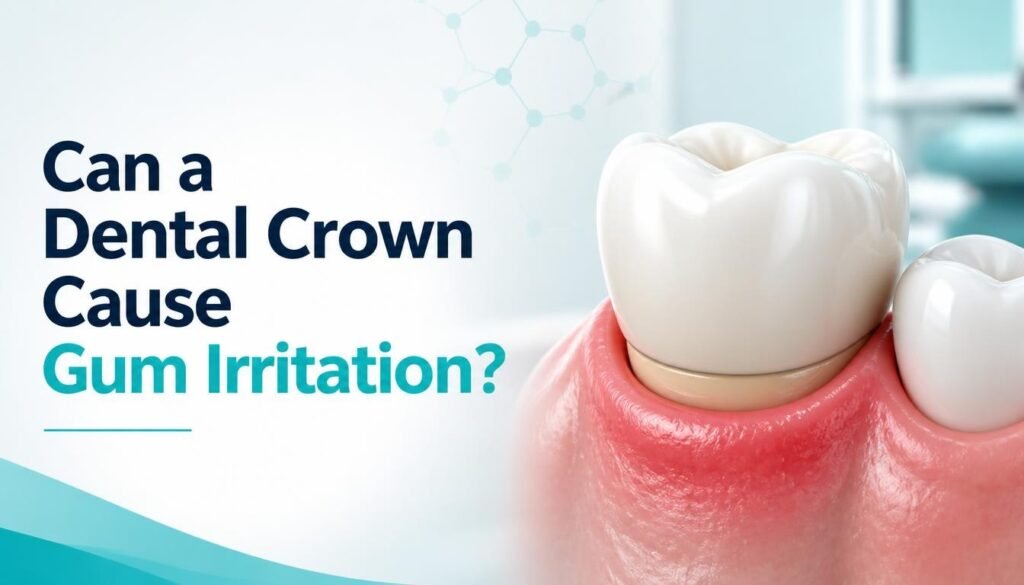
Mild gum tenderness can occur shortly after crown placement and may gradually improve. However, persistent irritation, bleeding, swelling or discomfort should not be ignored. Several factors, including plaque accumulation, crown fit, food getting trapped between teeth or existing gum disease, may contribute to the problem.
Understanding these causes can help you recognize when professional dental evaluation is necessary and how to maintain healthy gums after dental crown treatment.
What Causes Gum Irritation Around a Dental Crown?
Gum irritation around a dental crown can occur for several reasons. Identifying the underlying cause is important because the appropriate treatment depends on what is affecting the gums.
1. Poorly Fitted Dental Crown
One possible cause of gum irritation is a crown that does not fit properly along the tooth’s margins.
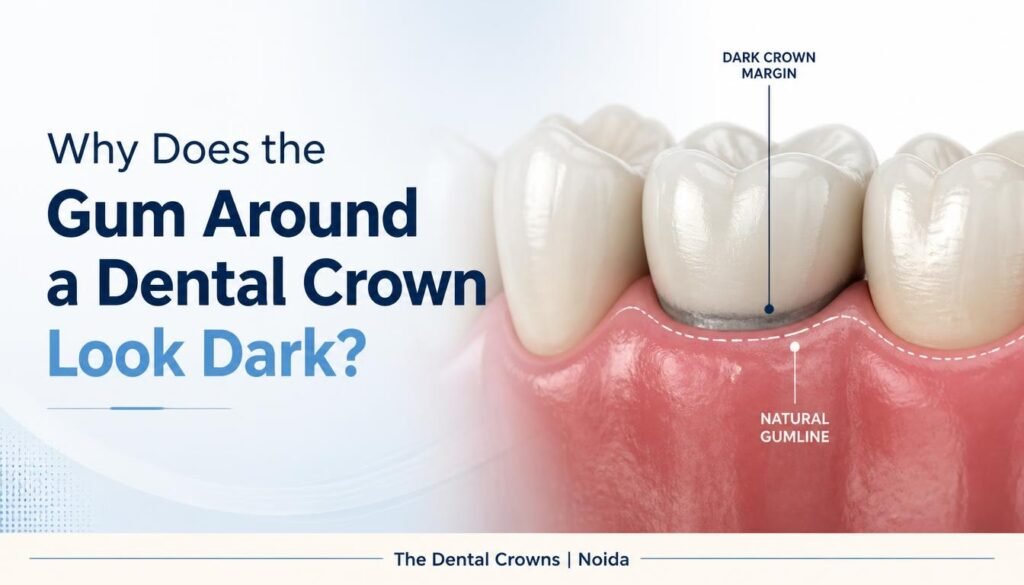
If the crown is too bulky, extends too far beneath the gumline or has an irregular edge, it may make cleaning difficult and irritate the surrounding gum tissue.
An improper fit may also contribute to food accumulation and plaque buildup, increasing the risk of inflammation.
A dentist can examine the crown’s margins and determine whether adjustments or replacement may be necessary.
2. Plaque and Bacteria Accumulation
Dental plaque is a sticky film of bacteria that constantly develops on teeth. If plaque accumulates around the edges of a dental crown, it can irritate the gums and contribute to gingivitis.
Common signs include:
- Red or swollen gums
- Bleeding while brushing or flossing
- Tenderness around the crowned tooth
- Persistent bad breath
- An unpleasant taste in the mouth
Regular brushing, cleaning between teeth and professional dental checkups are essential for preventing plaque-related gum problems.
3. Food Getting Trapped Around the Crown
Sometimes, food particles become trapped between a dental crown and neighbouring teeth.
Repeated food trapping can irritate the gum tissue, particularly when the area is difficult to clean. Patients may experience tenderness, swelling or discomfort after eating.
If food consistently gets stuck around the crown, your dentist should evaluate the contact between neighbouring teeth and the restoration.
4. Gum Inflammation During the Healing Process
Some gum tenderness or sensitivity may occur shortly after crown preparation and placement.
The surrounding tissues may need time to recover, particularly if the procedure involved manipulating the gumline.
Mild discomfort generally improves over time. However, persistent inflammation, bleeding or increasing pain requires professional assessment rather than simply waiting for it to disappear.
5. Pre-Existing Gum Disease
Dental crown treatment does not automatically eliminate existing gum problems.
If a patient already has gingivitis or periodontitis, the gums around the crowned tooth may remain inflamed or become more noticeable after treatment.
Gum disease can cause redness, swelling, bleeding and tenderness. In more advanced cases, it may affect the supporting tissues and bone around the teeth.
Read more about gum disease and periodontal health from the National Institute of Dental and Craniofacial Research (NIDCR).
6. An Incorrect Bite or Excessive Pressure
If a dental crown is slightly too high, it may experience excessive contact when you bite or chew.
This can cause discomfort around the crowned tooth and may place additional pressure on the surrounding supporting structures.
Patients may notice:
- Pain while biting or chewing
- A feeling that the crowned tooth touches first
- Discomfort when closing the mouth
- Sensitivity or pressure around the restored tooth
A dentist can assess your bite and determine whether minor crown adjustment is required.
7. Sensitivity to Crown Materials
In rare cases, a person may experience a reaction to a material used in a dental restoration.
Although material-related reactions are uncommon, they may need to be considered if irritation persists without an obvious explanation.
Your dentist can review the crown material, examine the affected tissues and determine whether further investigation is necessary.
What Are the Signs of Gum Irritation Around a Dental Crown?
Recognizing the symptoms early can help prevent minor discomfort from developing into a more complicated dental issue.
Watch for the following signs:
| Symptom | What It May Indicate |
|---|---|
| Red or swollen gums | Local inflammation or gingivitis |
| Bleeding while brushing | Plaque accumulation or gum inflammation |
| Tenderness around the crown | Tissue irritation or another dental concern |
| Food getting stuck | Possible contact or contour problem |
| Persistent bad breath | Plaque accumulation or possible infection |
| Pain while chewing | Bite-related pressure or underlying tooth problems |
| Pus or unusual discharge | Possible infection requiring prompt assessment |
Not every symptom indicates a serious problem. However, a professional dental examination is the best way to determine the cause.
How Can Gum Irritation Around a Dental Crown Be Treated?
Treatment depends on the reason for the irritation. Your dentist may recommend one or more of the following approaches after examining the affected tooth.
Professional Dental Cleaning
If plaque or tartar accumulation is contributing to inflammation, professional cleaning may help remove deposits that cannot be eliminated through regular brushing alone.
Your dentist may also provide personalized instructions for cleaning around the crowned tooth.
Crown Adjustment
If the crown has an irregular edge, excessive bulk or an uneven bite, the dentist may assess whether an adjustment can improve comfort.
In some cases, replacement may be considered if the crown is significantly defective or cannot be corrected adequately.
Treatment for Gum Disease
If gingivitis or periodontal disease is present, treatment may involve professional cleaning and improved oral hygiene.
More advanced gum problems may require additional periodontal treatment based on the severity of the condition.
Addressing Food Trapping
If food repeatedly becomes trapped around the crown, your dentist can assess the contact between adjacent teeth and the shape of the restoration.
Depending on the findings, corrective treatment may be recommended.
Treating Underlying Tooth Problems
Sometimes, the irritation is not caused by the crown itself but by a problem involving the underlying tooth, such as decay or infection.
Your dentist may recommend further examination, dental imaging or appropriate treatment depending on the findings.
For more information, explore our guide to root canal treatment near Noida or discuss your symptoms with a dental professional.
How Can You Prevent Gum Irritation After Dental Crown Treatment?
Maintaining good oral hygiene is important for protecting both the dental crown and the natural tooth underneath it.
Brush Twice Daily
Use a soft-bristled toothbrush and fluoride toothpaste. Gently clean along the gumline and around the crowned tooth without applying excessive pressure.
Clean Between Your Teeth Daily
Floss or use an appropriate interdental cleaning aid to remove food particles and plaque between neighbouring teeth.
Ask your dentist to demonstrate the correct technique if cleaning around your crown feels difficult.
Avoid Extremely Hard and Sticky Foods
Very hard foods and sticky substances may damage or dislodge a crown.
Avoid biting hard objects and follow your dentist’s instructions regarding foods to limit after treatment.
Attend Regular Dental Checkups
Routine dental visits allow your dentist to examine the crown, assess gum health and identify potential problems before they become more serious.
Do Not Ignore Persistent Symptoms
If you experience continued gum swelling, bleeding, discomfort or changes in the crown’s fit, arrange a dental examination.
Early evaluation may help identify the problem and prevent further complications.
For additional guidance, read Cleveland Clinic’s dental crown care recommendations.
When Should You Visit a Dentist Near Sector 77 Noida?
You should arrange a dental consultation if you notice:
- Gum irritation that does not improve
- Repeated bleeding around the crowned tooth
- Persistent discomfort while chewing
- A loose, cracked or damaged crown
- Food frequently getting trapped around the restoration
- Swelling or tenderness that is increasing
- Persistent bad breath or an unpleasant taste
Seek urgent dental care if you develop significant swelling, severe pain, fever, facial swelling or difficulty swallowing. These symptoms may indicate an infection that requires prompt professional attention.
Dental Crown Treatment Near Sector 77 Noida
If you are experiencing gum irritation around a dental crown, getting the restoration and surrounding gum tissue examined can help identify the underlying problem.
The Dental Crowns is located at Civitech Stadia, Sector 79, Noida, making it accessible for patients from Sector 77 and nearby areas.
The clinic provides dental services, including porcelain crowns, root canal treatment, tooth-coloured restorations and other restorative dental procedures.
Whether you need an evaluation for gum irritation, a crown that feels uncomfortable or another dental concern, a consultation can help you understand the appropriate treatment options.
Explore our dental services in Noida or contact The Dental Crowns to schedule a consultation.
Frequently Asked Questions
1. Is it normal for gums to be irritated after getting a dental crown?
Mild gum tenderness may occur after crown placement and can improve as the tissues heal. Persistent swelling, bleeding or pain should be evaluated by a dentist.
2. Can a poorly fitted crown cause gum inflammation?
Yes. A crown with an irregular edge, excessive bulk or an unsuitable fit may irritate the gums and make cleaning difficult. Your dentist can assess whether adjustment or replacement is required.
3. How long does gum irritation last after dental crown treatment?
The duration varies depending on the procedure and the individual’s healing process. Mild tenderness may settle within several days, but ongoing or worsening symptoms should not be ignored.
4. Can food getting stuck around a dental crown cause gum irritation?
Yes. Repeated food trapping can irritate the gum tissue and make plaque removal more difficult. Your dentist can examine the contact between the crown and neighbouring teeth.
5. Can gum disease develop around a dental crown?
Yes. Natural teeth and crowned teeth both require proper oral hygiene. Plaque accumulation around a crown can contribute to gingivitis and other periodontal problems.
6. Should I replace my dental crown if my gums are swollen?
Not necessarily. Swollen gums may be caused by plaque, gum disease, food trapping or other factors. Your dentist should identify the cause before recommending crown replacement.
7. Where can I get dental crown treatment near Sector 77 Noida?
The Dental Crowns is located at Civitech Stadia, Sector 79, Noida. Patients from Sector 77 and nearby areas can contact the clinic for a dental consultation.
Conclusion
Gum irritation around a dental crown can occur due to several reasons, including plaque accumulation, an unsuitable crown fit, food trapping, bite-related pressure or existing gum disease.
While mild tenderness may improve after crown placement, persistent redness, swelling, bleeding or pain deserves professional attention.
If you are searching for dental crown treatment near Sector 77 Noida, consulting a qualified dentist can help identify the underlying cause and determine whether cleaning, crown adjustment, gum treatment or another procedure is appropriate.
Taking care of your gums is just as important as maintaining the crown itself. With proper oral hygiene and regular dental checkups, you can help protect your restoration and maintain a healthier smile.
Book a consultation with The Dental Crowns to discuss your dental concerns and receive an evaluation based on your individual needs.