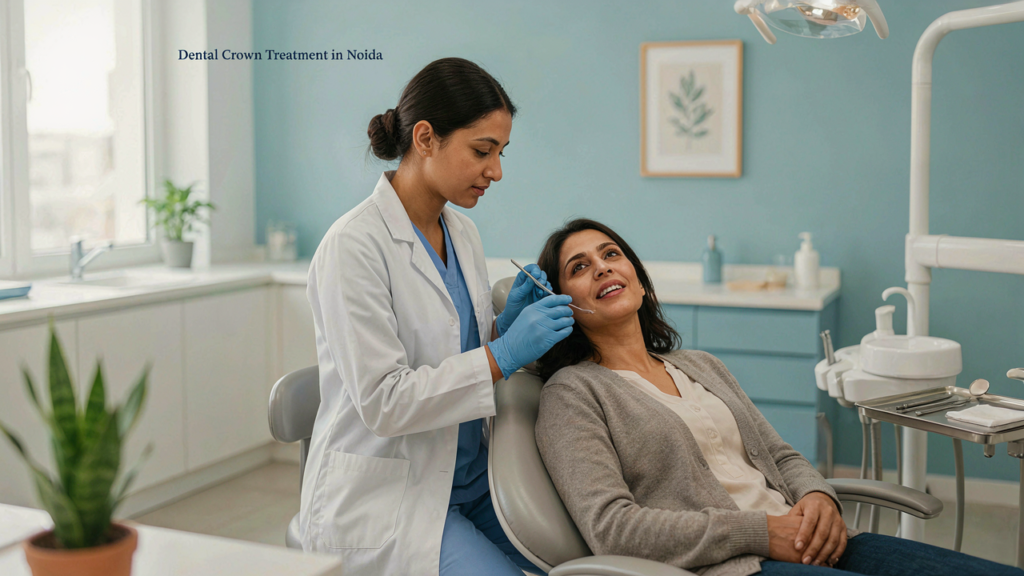


A damaged or weakened tooth can affect much more than your smile. Difficulty chewing, sensitivity, cracks, discoloration, or repeated dental fillings can all be signs that a tooth needs stronger protection. In such situations, dental crown treatment near Noida Sector 74 may be recommended to restore the tooth’s strength, shape, appearance, and function.
But does every damaged tooth need a dental crown?
Not necessarily.
A dental crown is generally considered when a tooth has lost significant structure and needs more protection than a conventional filling can provide. According to the American Dental Association, crowns can be used to strengthen teeth with large fillings, protect weak or broken teeth, restore damaged teeth, cover certain discolored or poorly shaped teeth, and cover dental implants. ADA – Crowns
What Is a Dental Crown?
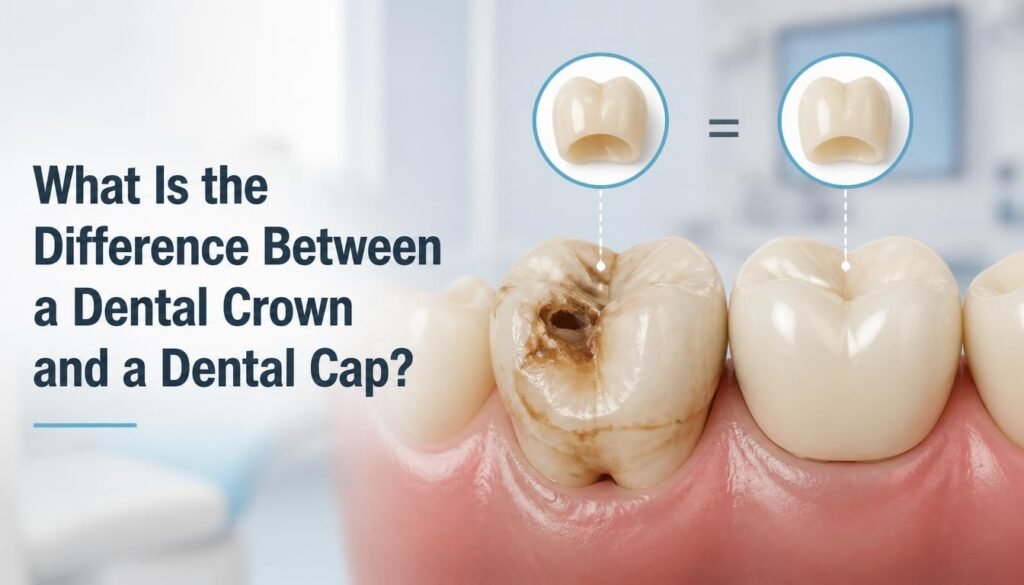
A dental crown, sometimes called a dental cap, is a custom-made restoration designed to cover the visible portion of a damaged or weakened tooth.
The purpose is not simply to make the tooth look better. A properly planned crown can help restore the tooth’s shape and function while providing additional protection.
Dental crowns may be recommended for teeth affected by:
- Extensive tooth decay
- Large or failing fillings
- Cracks or fractures
- Significant tooth wear
- Severe discoloration in selected cases
- Teeth that have undergone root canal treatment
- Teeth supporting a dental bridge
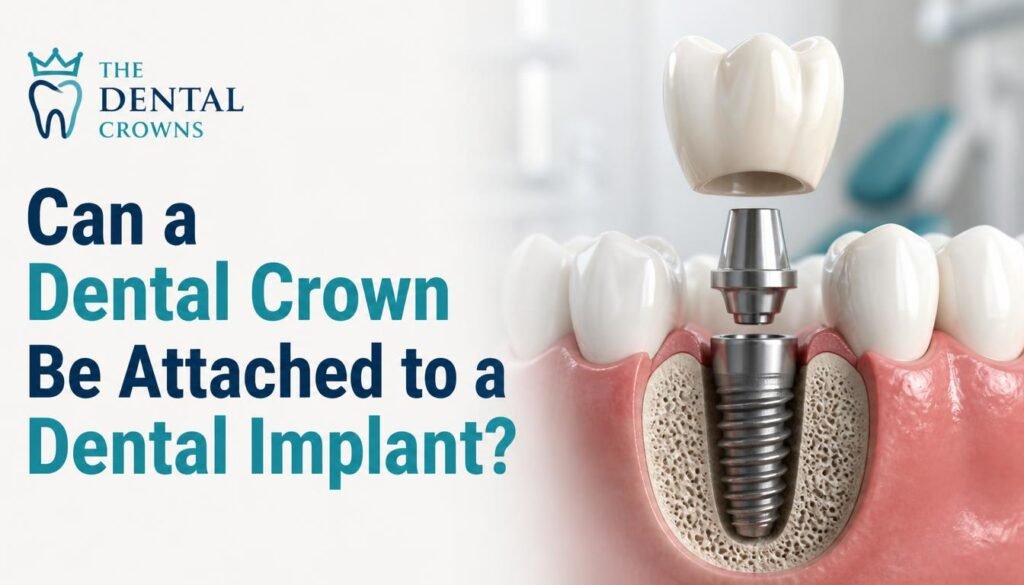
- Dental implants
The Cleveland Clinic also describes crowns as tooth-shaped caps used to restore weak, broken, decayed, or worn teeth and notes that they may be used over root canal-treated teeth and dental implants. Cleveland Clinic – Dental Crowns
Who Needs Dental Crown Treatment Near Noida Sector 74?
The decision to place a crown should be based on a dental examination rather than location, symptoms alone, or online advice. However, certain situations commonly make a patient a potential candidate for crown treatment.
1. People With Severely Decayed Teeth
A small cavity may often be treated with a filling. However, when decay affects a large portion of the tooth, there may not be enough healthy tooth structure left to support a normal filling.
In these cases, a dental crown may provide additional coverage and protection.
If you have been experiencing sensitivity, food getting stuck around a damaged tooth, or repeated filling failures, schedule a dental examination instead of waiting for the tooth to break further.
2. People With Cracked or Broken Teeth
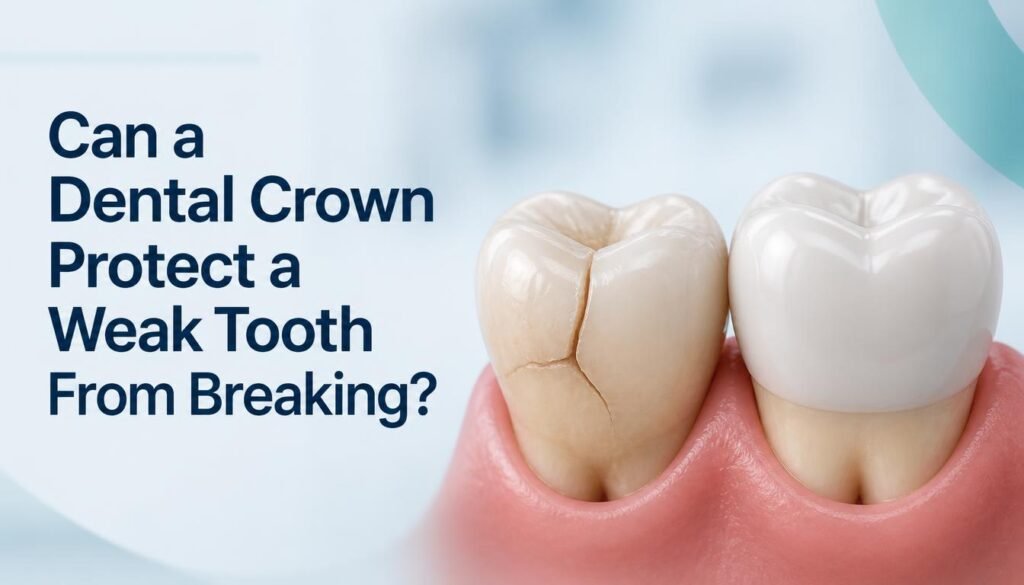
A cracked tooth can become weaker over time, particularly when it is exposed to regular biting and chewing forces.
A crown may be considered when enough healthy tooth structure remains and the dentist believes the tooth can be restored.
However, not every crack can be treated with a crown. The location and depth of the crack, the condition of the tooth, and the health of the surrounding tissues all matter.
That is why an examination and appropriate dental imaging may be necessary before treatment.
3. Teeth With Large Fillings
Large fillings can restore teeth, but if a substantial amount of natural tooth structure has already been lost, the remaining tooth may be more vulnerable to fracture.
The American Dental Association specifically notes that crowns can strengthen teeth with large fillings when insufficient tooth structure remains to adequately hold the filling. ADA – Crowns
If you have a heavily restored molar and your dentist has recommended a crown, ask why full coverage is preferable to another filling in your particular case.
4. Teeth After Root Canal Treatment
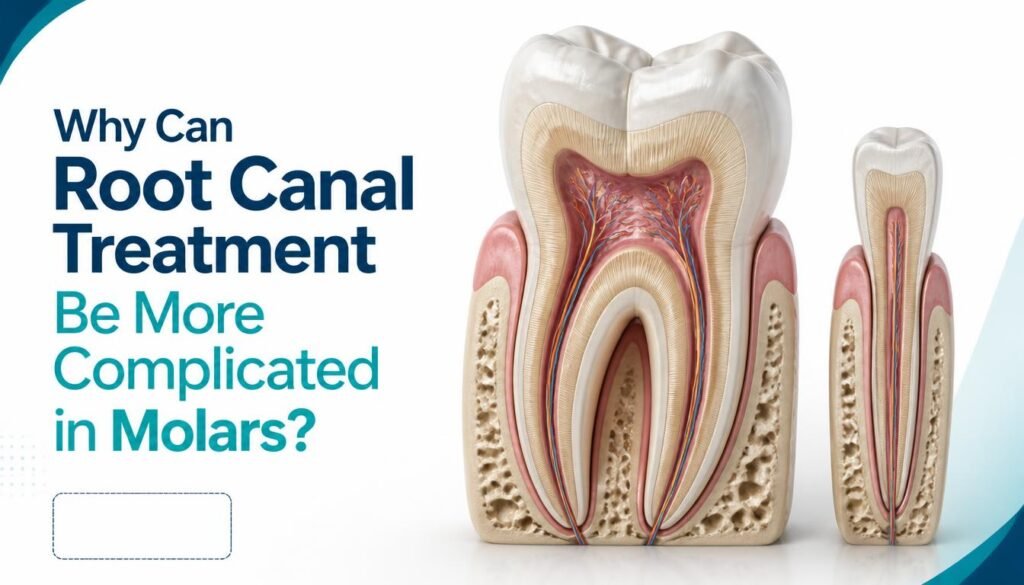
A tooth that has undergone root canal treatment may require a final restoration to protect the remaining tooth structure.
Depending on the tooth and its condition, a crown may be recommended after root canal treatment.
If you are looking for painless root canal treatment near Noida, you can also explore Painless Root Canal Treatment available through The Dental Crowns.
The appropriate restoration depends on the individual tooth, how much structure remains, its location, bite forces, and other clinical factors.
5. Severely Worn Teeth
Teeth can become worn due to several factors, including long-term grinding or clenching, acidic exposure, and other forms of tooth wear.
When significant tooth structure has been lost, a dentist may consider restorative treatment to rebuild the tooth.
However, simply placing crowns without addressing the cause of excessive wear may not provide a long-term solution.
If you grind or clench your teeth, discuss this with your dentist before undergoing extensive restorative treatment.
6. Teeth With Certain Cosmetic Problems
Crowns can sometimes be used to improve the appearance of severely discolored, misshapen, or damaged teeth.
However, a crown is not automatically the best cosmetic treatment.
Depending on the condition of the tooth, options such as tooth-colored restorations, veneers, or professional whitening may be more conservative.
You can learn more about Tooth-Colored Restorations and compare your options with a dentist.
Who May Not Need a Dental Crown?
One of the most important questions is not only “Who needs a crown?” but also “Who does not need one?”
If a tooth has enough healthy structure and can be predictably restored with a more conservative treatment, a crown may not be necessary.
For example, depending on the size and location of a cavity, a filling or tooth-colored restoration may be sufficient.
Similarly, mild discoloration might be addressed through professional teeth whitening rather than covering the entire tooth with a crown.
A dentist should evaluate the tooth and explain why a crown is recommended before treatment begins.
What Are the Signs You May Need a Dental Crown?
There is no single symptom that proves you need a crown. However, you should consider scheduling a dental examination if you notice:
- A tooth that has broken or chipped significantly
- Pain while biting or chewing
- Repeatedly broken fillings
- Severe tooth decay
- A large old filling with weakened surrounding tooth structure
- A tooth that has recently received root canal treatment
- Significant tooth wear
- A cracked or fractured tooth
- A badly discolored or misshapen tooth
- Sensitivity associated with a damaged or worn tooth
Sensitivity can have many causes, including cavities, fractured teeth, worn fillings, gum problems, enamel wear, and exposed roots. The ADA’s MouthHealthy resource explains that treatment depends on the underlying cause. ADA – Sensitive Teeth
Therefore, sensitivity alone does not mean you automatically need a dental crown.
What Happens During Dental Crown Treatment?
The exact process depends on the condition of the tooth and the type of crown selected.
A typical treatment pathway may include:
Step 1: Dental Examination
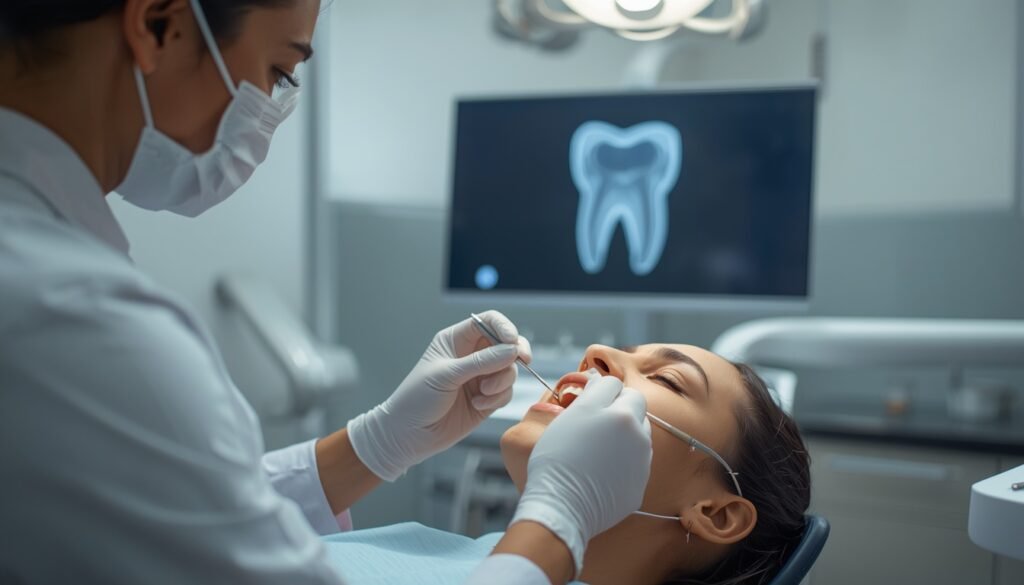
The dentist examines the tooth, evaluates the surrounding gums, checks your bite, and may recommend dental X-rays or other imaging.
This helps determine whether the tooth is suitable for restoration.
Step 2: Treatment Planning
If a crown is appropriate, your dentist will discuss the treatment plan and suitable material options.
The location of the tooth, aesthetic requirements, bite forces, remaining tooth structure, and overall oral health can influence the choice.
Step 3: Tooth Preparation
The tooth may need to be reshaped so that the crown can fit properly.
If the tooth has extensive damage, additional restorative work may be required before the crown is placed.
Step 4: Crown Fabrication
The crown is designed according to the shape, size, and appearance required for your tooth.
Depending on the material and treatment system, the restoration may be fabricated in a dental laboratory or through digital dentistry workflows.
Step 5: Crown Placement
Once the crown is ready and the fit has been evaluated, it is placed over the prepared tooth.
Your dentist checks factors such as fit, bite, appearance, and comfort before completing the restoration.
What Types of Dental Crowns Are Available?
Dental crowns are available in different materials, and there is no single crown material that is best for every patient.
Common options include:
Porcelain Crowns
Porcelain crowns are popular when appearance is an important consideration because they can be designed to resemble natural teeth.
The Dental Crowns offers Porcelain Dental Crown Treatment in Noida with an emphasis on customized appearance and function.
Ceramic Crowns
Ceramic materials can provide tooth-colored aesthetics and may be considered for both front and selected back teeth depending on clinical requirements.
Metal Crowns
Metal crowns can provide strong resistance to chewing forces and may be considered for selected posterior teeth.
Porcelain-Fused-to-Metal Crowns
These combine a metal substructure with a tooth-colored outer surface and can offer a balance between strength and appearance.
The best choice depends on your tooth, bite, aesthetic expectations, budget, and dentist’s clinical assessment.
Dental Crown vs Filling: Which Is Better?
This is one of the most common questions patients ask.
The answer depends on how much healthy tooth structure remains.
A filling generally restores a localized area of tooth damage.
A crown covers a much larger portion of the visible tooth and can provide additional protection when a tooth has been significantly weakened.
Choosing a crown simply because it sounds stronger is not the right approach. Similarly, choosing a filling simply because it may involve less treatment may not be appropriate if the tooth lacks sufficient structure.
Your dentist should explain the advantages and limitations of each option for your particular tooth.
Why Choose a Dental Crown Near Sector 74 Noida?
If you live in Sector 74, visiting a dental clinic in the nearby Sector 79 area can be a convenient option for consultation and follow-up appointments.
The Dental Crowns is located at Shop No. 16, 1st Floor, Civitech Stadia, Sector 79, Noida, Uttar Pradesh 201301, and provides general, cosmetic, and surgical dental services. View The Dental Crowns Services
The clinic’s services include dental crowns, porcelain crowns, root canal treatment, dental implants, laser dentistry, tooth-colored restorations, dentures, bridges, and other dental treatments.
For patients considering dental crown treatment near Noida Sector 74, this nearby location may make it easier to attend consultations and follow-up visits.
How Long Can a Dental Crown Last?
The lifespan of a dental crown varies according to the material, tooth location, bite forces, oral hygiene, habits, and quality of the restoration.
The Cleveland Clinic states that dental crowns can last approximately 5 to 15 years with proper care, although individual results vary. Cleveland Clinic – Dental Crowns
To help protect your crown:
- Brush twice a day with fluoride toothpaste.
- Floss or clean between your teeth every day.
- Avoid using your teeth to open packages or bite hard objects.
- Follow your dentist’s recommendations.
- Attend regular dental examinations and cleanings.
- Tell your dentist if you grind or clench your teeth.
What If You Ignore a Damaged Tooth?
A damaged tooth does not necessarily become worse immediately, but delaying appropriate dental care can allow an underlying problem to progress.
A cracked tooth may become more difficult to restore if additional tooth structure is lost. Extensive decay can also compromise the remaining tooth.
The goal of restorative dentistry is generally to preserve and restore teeth whenever they can be predictably saved.
However, the right treatment depends on the individual clinical situation.
Is Dental Crown Treatment Painful?
Many patients worry about discomfort during crown treatment.
Modern dental care uses local anesthesia and various techniques designed to make treatment more comfortable. The amount of discomfort varies depending on the condition of the tooth and the treatment required.
If you are particularly anxious about dental procedures, tell your dentist before treatment so that appropriate comfort measures can be discussed.
The Dental Crowns also provides Advanced Clinical Laser Dentistry as part of its dental treatment services.
When Should You See a Dentist?
Do not wait until a damaged tooth breaks completely.
Consider arranging a dental examination if you have:
- Persistent tooth pain
- Pain while chewing
- A visibly cracked tooth
- A large cavity
- A broken filling
- A severely damaged tooth
- A tooth that has recently undergone root canal treatment
- Significant sensitivity
- A loose or damaged existing crown
A dentist can determine whether a crown, filling, root canal treatment, veneer, extraction, or another treatment is appropriate.
Dental Crown Treatment Near Noida Sector 74: Frequently Asked Questions
1. Who is a good candidate for a dental crown?
People with significantly damaged, weakened, cracked, broken, heavily restored, or root-canal-treated teeth may be candidates for crowns. The final decision requires a dental examination.
2. Do all root canal-treated teeth need crowns?
Not necessarily. The need for a crown depends on factors such as the amount of remaining tooth structure, tooth location, functional demands, and the dentist’s assessment.
3. Can a crown fix a cracked tooth?
A crown can sometimes protect and restore a cracked tooth, but treatment depends on the type, location, and extent of the crack. Some cracks may make a tooth unsuitable for crown restoration.
4. Are dental crowns permanent?
Crowns are durable restorations but are not considered lifetime restorations. Their lifespan varies according to several factors, including oral hygiene, bite forces, material, and wear.
5. Which crown material is best?
There is no universally best crown material. Porcelain, ceramic, metal, and porcelain-fused-to-metal options each have different characteristics. Your dentist can recommend an option based on your tooth and treatment goals.
6. Can a crown look like a natural tooth?
Yes. Tooth-colored crowns can be designed to match the appearance of surrounding teeth. The exact aesthetic result depends on the material, shade selection, preparation, laboratory work, and clinical factors.
7. How do I find dental crown treatment near Noida Sector 74?
Look for a qualified dental professional who can examine your tooth, explain your treatment options, discuss crown materials, and provide an appropriate treatment plan. Patients around Sector 74 can also consider nearby dental clinics in Sector 79 and surrounding Noida sectors.
8. Can I get a crown without a dental examination?
A crown should not be selected based solely on symptoms or an online search. A dentist needs to assess the tooth and surrounding structures before deciding whether crown treatment is appropriate.
Final Takeaway
If you are searching for dental crown treatment near Noida Sector 74, the most important question is not simply which crown is cheapest or which material is most popular.
The right question is:
Does my tooth actually need a crown, and which restoration is appropriate for its condition?
A crown may be useful for a severely damaged, weakened, cracked, heavily restored, worn, or root-canal-treated tooth when adequate tooth structure remains for restoration. But other teeth may be better treated with a filling, bonding, veneer, or another conservative option.
The Dental Crowns in Sector 79, Noida, offers dental crown and other restorative dental services for patients from nearby areas including Sector 74 and surrounding sectors. You can explore the clinic’s complete dental services or contact The Dental Crowns to schedule a consultation.
Remember: only a dental examination can determine whether a crown is right for your tooth.