
A root canal treatment can help save a severely damaged or infected tooth and allow you to continue using your natural tooth. However, completing the root canal is only one part of the process. Proper restoration and aftercare are equally important for protecting the treated tooth from fracture, decay and further dental problems.
So, how can you protect a tooth after root canal treatment?
The most important steps include getting the recommended permanent restoration, avoiding excessive pressure on the treated tooth until it is fully restored, maintaining excellent oral hygiene, attending dental follow-up appointments and getting regular dental checkups.
At The Dental Crowns in Sector 79, Noida, patients can receive root canal treatment, dental crowns and other restorative dental services based on their individual dental condition.
Why Does a Tooth Need Protection After Root Canal Treatment?
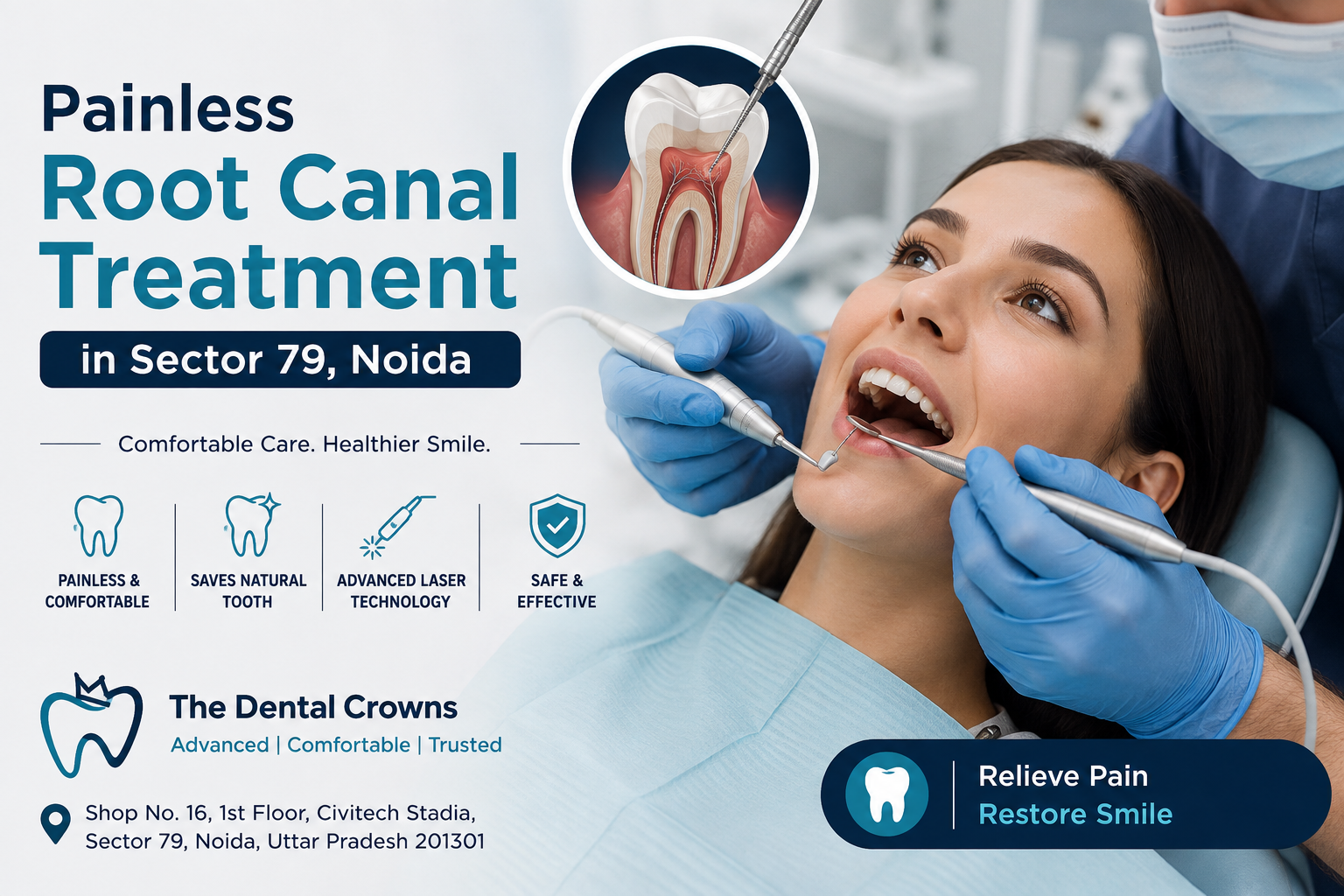
During root canal treatment, the infected or inflamed pulp is removed from inside the tooth. The canals are then cleaned, disinfected, filled and sealed.
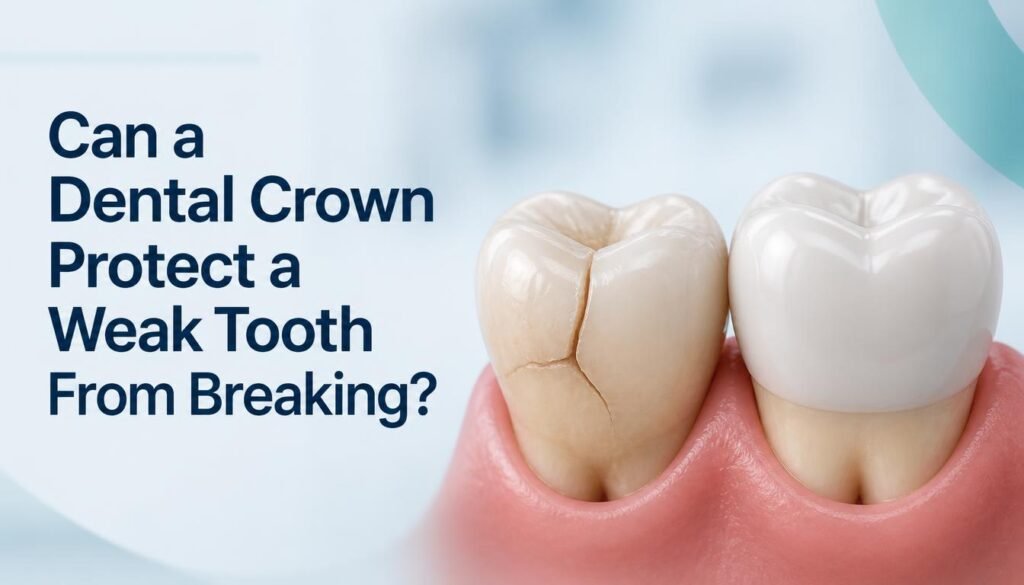
Although the procedure helps preserve the natural tooth, the remaining tooth structure may be weakened, particularly when the tooth has already lost a significant amount of structure because of decay, cracks or previous dental work.
According to the American Association of Endodontists (AAE), a root canal-treated tooth is restored with a crown or another suitable restoration to protect it and restore its function.
This is why protecting the tooth after RCT is an important part of long-term dental care.
1. Get a Permanent Dental Crown When Recommended
One of the most important ways to protect a root canal-treated tooth is to have a permanent restoration placed when your dentist recommends it.
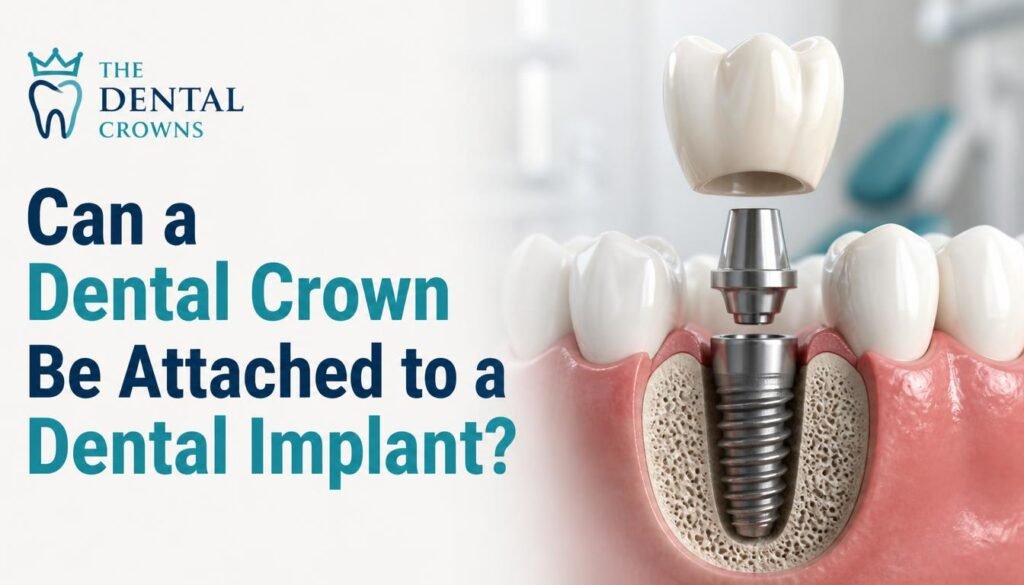
A dental crown covers the visible portion of the tooth and can help protect the remaining tooth structure from chewing forces.
Crowns are particularly common for molars and premolars because these teeth experience significant pressure during chewing. However, not every root canal-treated tooth automatically requires a crown.
The need for a crown depends on factors such as:
- The location of the tooth
- How much healthy tooth structure remains
- The amount of tooth damage
- Existing cracks or fractures
- Your bite
- The forces placed on the tooth
- The type of restoration already present
The AAE also notes that back teeth often benefit from full-coverage crowns, while some front teeth may be restored differently depending on how much tooth structure remains. dental crown treatment
2. Avoid Chewing Hard Foods Until the Tooth Is Fully Restored
If your tooth has a temporary filling or has not yet received its permanent crown or restoration, avoid putting excessive pressure on it.
Hard or sticky foods can increase the risk of damaging a weakened tooth or temporary restoration.
Depending on your dentist’s instructions, you may need to temporarily avoid:
- Ice
- Hard candies
- Very hard nuts
- Popcorn kernels
- Sticky sweets
- Chewing directly on the treated tooth
- Using your teeth to open packages
Once your permanent restoration has been placed and your dentist confirms that the tooth is ready for normal function, you can generally return to your usual diet.
3. Maintain Good Oral Hygiene
A root canal does not make the tooth immune to future dental problems.
The tooth can still develop decay around the restoration or at the gumline. The surrounding gums can also be affected by plaque and bacteria.
Maintain a consistent oral hygiene routine:
Brush Twice a Day
Brush your teeth twice daily using fluoride toothpaste. Use gentle but thorough movements around the restored tooth and gumline.
Floss Every Day
Flossing removes plaque and food particles from areas your toothbrush cannot reach.
Be especially careful around a crown or restoration and follow your dentist’s instructions for cleaning the area.
Consider Additional Cleaning Aids
Depending on your oral health, your dentist may recommend an interdental brush, water flosser or another cleaning aid.
The right option depends on your gums, tooth position, restoration and individual needs.
4. Don’t Delay the Final Restoration
One common mistake after root canal treatment is assuming that the tooth is completely protected immediately after the procedure.
In many cases, the tooth still needs a permanent restoration.
The AAE explains that delaying the final crown or restoration can contribute to problems with a root canal-treated tooth.
A temporary filling is not necessarily intended to provide the same long-term protection as a properly fitted permanent restoration.
If your dentist has recommended a crown, schedule the restoration appointment instead of postponing it unnecessarily.
Why Is Timing Important?
A root canal-treated tooth may be vulnerable to fracture, particularly if a substantial amount of tooth structure has been lost.
A properly planned restoration helps seal and protect the tooth while restoring chewing function.
If you are unsure whether you need a crown after RCT, your dentist can evaluate the remaining tooth structure and recommend the appropriate restoration.
5. Don’t Use Your Teeth as Tools
Your teeth are designed for eating—not for opening bottles, cutting packaging or biting hard objects.
This becomes particularly important when you have a restored or previously weakened tooth.
Avoid habits such as:
- Biting pens or pencils
- Opening packets with your teeth
- Biting fingernails
- Chewing ice
- Cracking hard objects with your teeth
These habits can place unnecessary stress on dental restorations and natural tooth structure.
6. Be Careful If You Grind or Clench Your Teeth
Teeth grinding and clenching can put significant pressure on teeth and dental restorations.
If you regularly wake up with jaw soreness, headaches, tooth sensitivity or signs of tooth wear, talk to your dentist.
Your dentist may determine whether a night guard or another treatment approach is appropriate for you.
Protecting a root canal-treated tooth is not only about the restoration itself. Your overall bite and chewing forces also matter.
7. Attend Your Follow-Up Dental Appointments
Follow-up appointments allow your dentist to evaluate the treated tooth and restoration.
Your dentist may check:
- Whether the tooth has healed appropriately
- The condition of the restoration
- Your bite
- The surrounding gums
- Signs of decay
- Cracks or fractures
- Any persistent pain or swelling
Regular dental examinations can identify small problems before they become major complications.
If you experience persistent symptoms after RCT, don’t simply wait for them to disappear. A professional examination can help determine the cause.
8. Don’t Ignore Pain, Swelling or Discomfort
Mild soreness can occur after dental treatment, but persistent or worsening symptoms should be evaluated.
Contact your dentist if you notice:
- Persistent tooth pain
- Increasing swelling
- Pain while biting
- A loose crown
- A cracked restoration
- Unusual sensitivity
- A bad taste or drainage
- Gum swelling near the treated tooth
A previously treated tooth can sometimes develop problems months or years later. The AAE explains that issues can be associated with missed canal anatomy, new decay, a cracked or loose restoration, delayed restoration or other factors.
Early evaluation may give your dentist more options for saving the tooth.
9. Protect Your Tooth From New Decay
A root canal removes infected pulp, but it does not make the tooth resistant to external decay.
New cavities can develop around a crown, filling or other restoration.
You can reduce the risk by:
- Brushing twice daily
- Flossing daily
- Using fluoride toothpaste
- Limiting frequent sugary snacks and drinks
- Maintaining regular dental checkups
- Getting professional cleaning when recommended
Good oral hygiene is one of the most important factors in protecting both your treated tooth and your remaining natural teeth.
10. Choose the Right Restoration for Your Tooth
There is no single restoration that is ideal for every root canal-treated tooth.
Your dentist may consider different options depending on the tooth’s condition.
Potential restorations may include:
- Dental crowns
- Tooth-coloured restorations
- Other appropriate restorative options
For a heavily damaged back tooth, a crown may provide the coverage needed to protect the remaining structure.
For a tooth with substantial structural loss, your dentist may also discuss additional procedures before placing the final restoration.
The goal is to create a restoration that provides appropriate protection while maintaining function, appearance and oral health.
Can a Root Canal-Treated Tooth Last for Many Years?
Yes. With appropriate treatment, restoration and maintenance, a root canal-treated tooth can potentially last for many years and may even last a lifetime.
The AAE states that properly cared-for root canal-treated teeth can last a lifetime, while factors such as timely restoration, good oral hygiene, regular dental checkups and avoiding excessive forces influence long-term success.
However, no dental treatment can guarantee that a tooth will never develop another problem.
That is why ongoing care matters.
What Happens If You Don’t Protect a Root Canal-Treated Tooth?
Ignoring recommended restoration or aftercare can increase the risk of complications.
A weakened tooth may fracture under chewing pressure. A damaged or loose restoration can allow bacteria to enter. New decay can also affect the tooth.
In some situations, a previously treated tooth may require additional treatment or retreatment.
This does not mean that every root canal-treated tooth will fail without a crown. The appropriate restoration depends on the individual tooth.
Your dentist should evaluate the tooth and determine what type of protection is appropriate.
Do All Teeth Need a Crown After Root Canal Treatment?
No.
A crown is commonly recommended for many root canal-treated back teeth, but it is not automatically necessary for every tooth.
For example, front teeth may sometimes be restored with another type of restoration when sufficient healthy tooth structure remains.
The decision should be based on:
- Tooth location
- Remaining tooth structure
- Amount of previous damage
- Bite forces
- Presence of cracks
- Existing restorations
- Overall oral health
Your dentist can determine whether a crown, filling or another restoration is appropriate.
How Long Should You Wait for a Crown After Root Canal?
The timing depends on your specific treatment and the condition of your tooth.
Your dentist may recommend completing the permanent restoration soon after root canal treatment, particularly when the tooth has significant structural loss.
Do not rely on a fixed timeline from the internet because treatment timing can vary between patients.
If you have received RCT and currently have a temporary restoration, ask your dentist when your permanent restoration should be completed.
How to Protect a Tooth After Root Canal Treatment: Quick Checklist
Use this simple checklist after RCT:
☑ Follow your dentist’s post-treatment instructions
☑ Get a permanent crown or restoration when recommended
☑ Avoid hard foods until the tooth is fully restored
☑ Brush twice a day with fluoride toothpaste
☑ Floss every day
☑ Avoid chewing ice or hard objects
☑ Don’t use your teeth as tools
☑ Manage teeth grinding or clenching if present
☑ Attend scheduled follow-up appointments
☑ Get regular dental checkups
☑ Contact your dentist if pain or swelling persists
These simple habits can help you protect your treated tooth and maintain your oral health over the long term.
Frequently Asked Questions
1. How can I protect my tooth after root canal treatment?
The best ways include getting the recommended permanent restoration, avoiding excessive chewing pressure until the tooth is fully restored, maintaining good oral hygiene and attending regular dental checkups.
2. Is a crown necessary after root canal treatment?
Not always. Many molars and premolars benefit from crowns because they experience significant chewing forces, while some front teeth may not require one. Your dentist should evaluate the remaining tooth structure before recommending a restoration.
3. Can I eat normally after a root canal?
You may need to avoid chewing hard or sticky foods on the treated tooth until your dentist confirms that the permanent restoration is secure. Follow the specific dietary instructions provided by your dentist.
4. Can a root canal-treated tooth break?
Yes. A tooth that has lost substantial structure can remain vulnerable to fracture. Proper restoration and avoiding excessive forces can help reduce this risk.
5. How long can a root canal-treated tooth last?
With appropriate treatment, timely restoration, good oral hygiene and regular dental care, a root canal-treated tooth can potentially last for many years or even a lifetime.
6. What should I do if my root canal-treated tooth starts hurting again?
Contact your dentist for an examination. Persistent pain, swelling, discomfort while biting or a damaged restoration should not be ignored.
7. Can I brush and floss after root canal treatment?
Yes. Maintaining good oral hygiene is important. Brush twice daily and floss daily, while following any specific instructions given by your dentist.
8. Why is a dental crown recommended after RCT?
A crown can cover and protect a significantly weakened tooth while restoring its shape and chewing function. Whether you need one depends on the tooth’s location and remaining structure.
9. Can a crowned root canal tooth get a cavity?
Yes. A crown does not make the surrounding tooth and gumline immune to decay. Good brushing, flossing and regular dental examinations remain important.
10. When should I visit a dentist after root canal treatment?
Follow the schedule recommended by your dentist. You should also seek an earlier evaluation if you experience persistent pain, swelling, a loose crown, a cracked restoration or other unusual symptoms.
Protect Your Root Canal-Treated Tooth With the Right Restoration
Root canal treatment can help preserve your natural tooth, but protecting the tooth after treatment is just as important as treating the infection.
A permanent crown or another appropriate restoration, good oral hygiene, careful chewing habits, regular dental checkups and timely attention to symptoms can all contribute to the long-term health of the treated tooth.
If you have recently undergone root canal treatment and are wondering whether you need a dental crown after RCT, consult a dentist for an individual assessment rather than making the decision based only on general advice.
For patients looking for root canal treatment or dental crown treatment in Noida, The Dental Crowns provides restorative and general dental services at its clinic in Sector 79.
If you’re in or around Noida Sector 74, Sector 75, Sector 76, Sector 77, Sector 78, Sector 79 or Sector 80, a dental consultation can help determine the most appropriate way to protect your treated tooth.
The Dental Crowns
Civitech Stadia, Sector 79, Noida, Uttar Pradesh 201301
Phone: +91 89202 71787
Final Takeaway
The simplest answer to “How can you protect a tooth after root canal treatment?” is: restore it appropriately, protect it from excessive force, maintain excellent oral hygiene and keep up with professional dental care.
A root canal-treated tooth does not necessarily need the same restoration in every case. Your dentist can assess the tooth and recommend whether a dental crown or another restoration is the right choice.
Taking care of the tooth now can help you continue using your natural tooth comfortably for years to come.