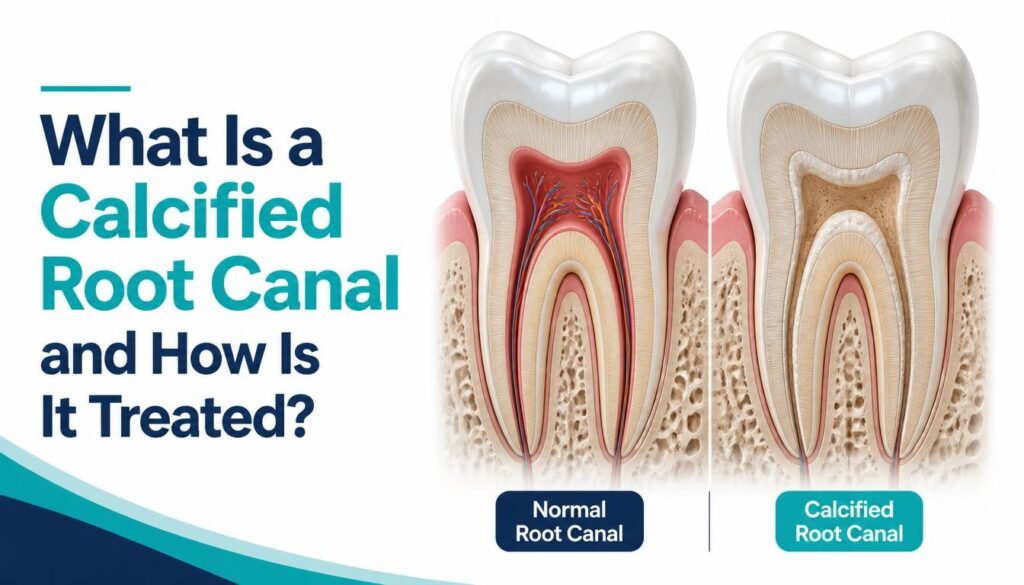

Discovering that your tooth has internal resorption can be worrying, especially when you are told that the root structure is gradually getting damaged. One of the most common questions patients ask is: Can a root canal be done on a tooth with internal resorption?
The good news is that, in many cases, a root canal treatment can help save a tooth affected by internal root resorption. However, the success of treatment depends on how much of the tooth structure has been damaged, whether the resorption has reached the outer root surface, and whether the remaining tooth can be restored.
Early diagnosis and timely dental intervention play an important role in protecting the affected tooth. Let’s understand what internal resorption is, how it develops, and when root canal treatment may be the right solution.
What Is Internal Tooth Resorption?
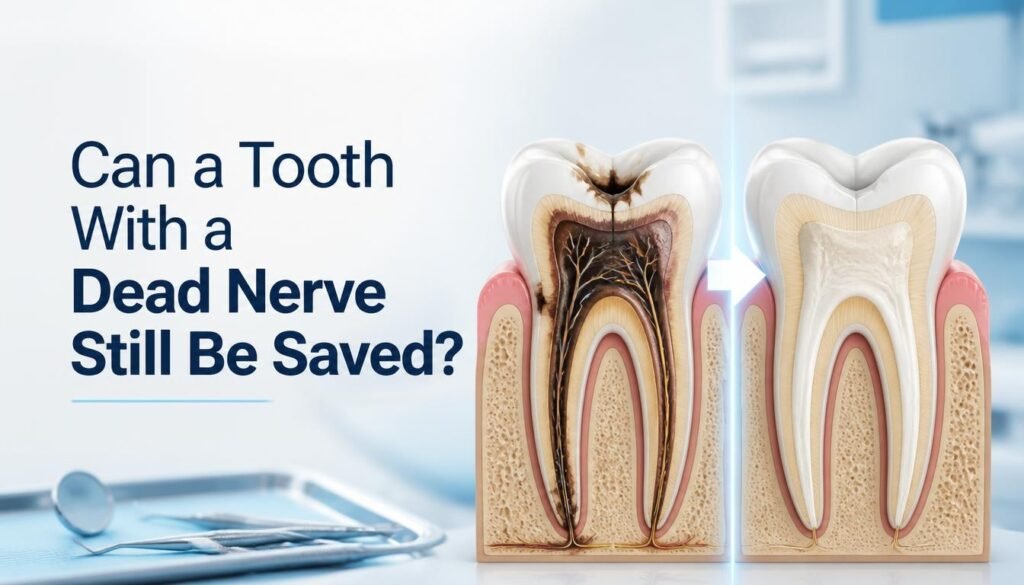
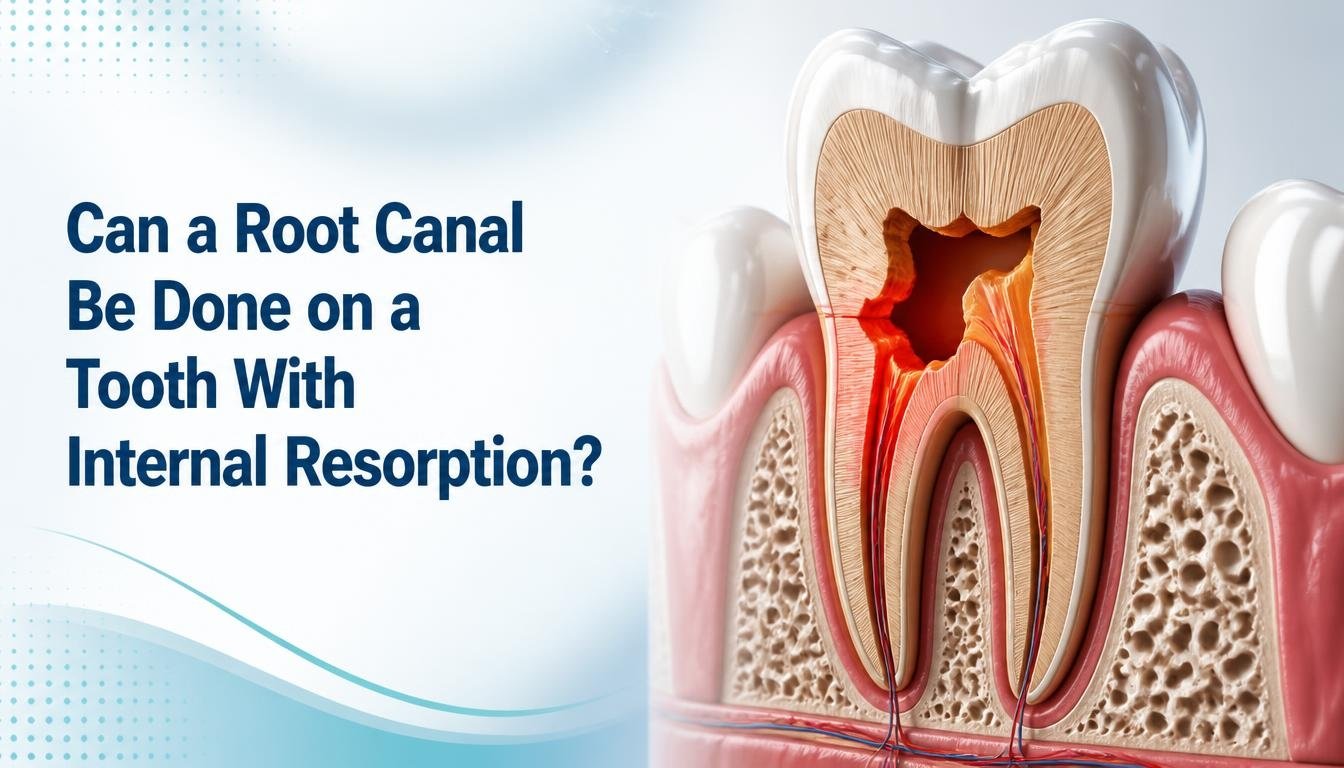
Internal tooth resorption is a dental condition in which the hard tissue inside a tooth, particularly dentin, gradually breaks down due to the activity of specialised cells called odontoclasts.
The process usually begins inside the pulp chamber or root canal, where inflammation damages the protective lining of the root canal walls. This allows resorbing cells to start breaking down the surrounding dentin.
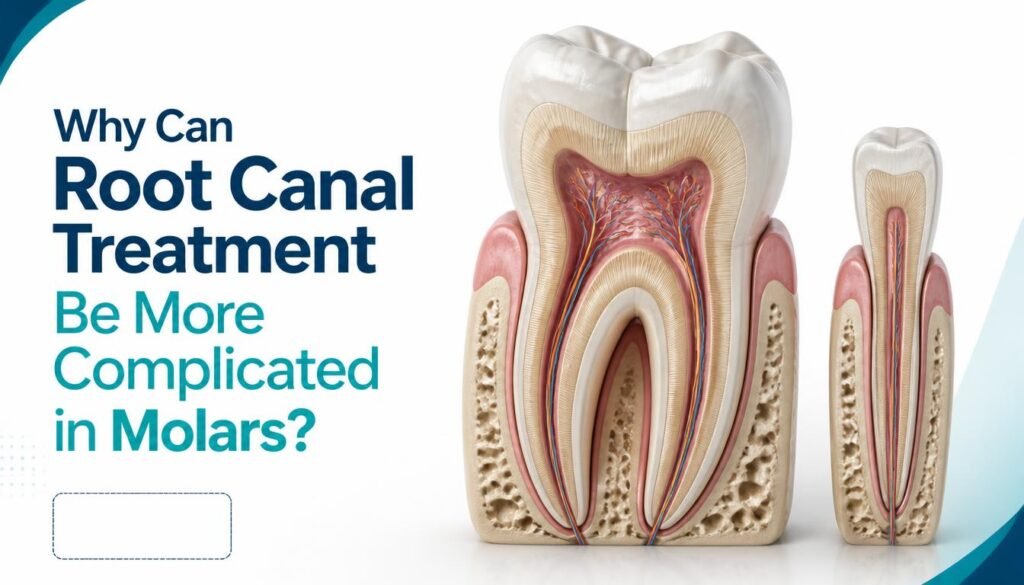
Unlike external root resorption, which begins on the outer surface of the tooth root, internal resorption originates from within the tooth.
In its early stages, internal resorption may not cause noticeable symptoms. This is why routine dental examinations and appropriate dental imaging are important for identifying the condition before significant structural damage occurs.
Can a Root Canal Be Done on a Tooth With Internal Resorption?
Yes, root canal treatment is often the preferred treatment for a tooth affected by active internal inflammatory resorption, provided the tooth is considered restorable.
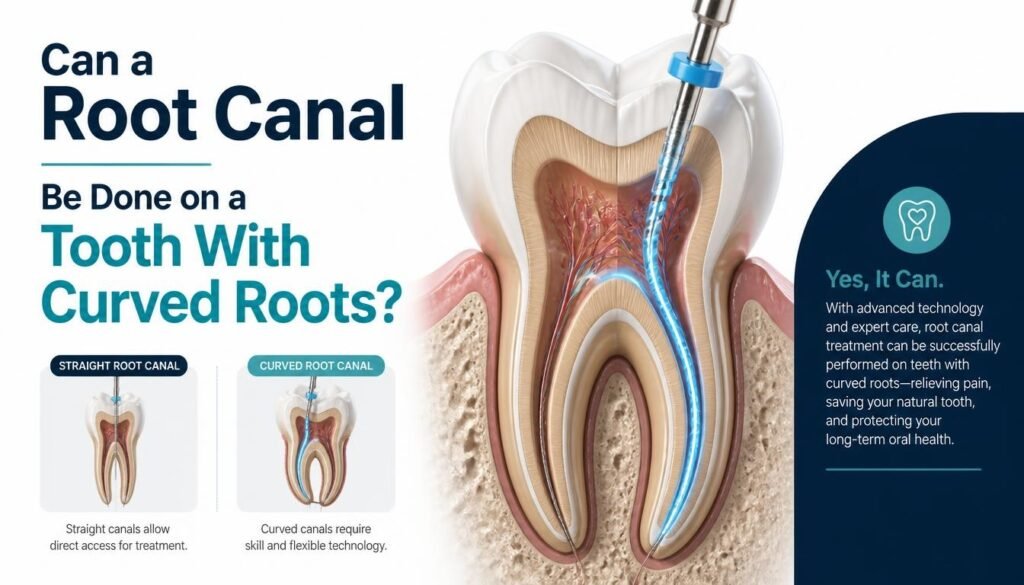
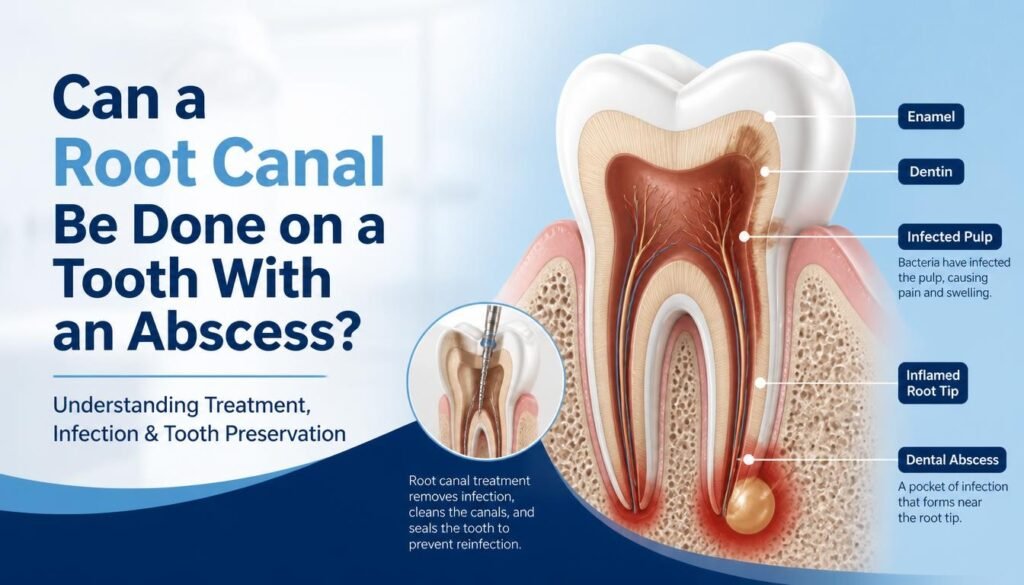
The primary objective of root canal treatment is to remove the inflamed or infected pulp tissue that supports the resorptive process. By cleaning and disinfecting the root canal system, the dentist aims to stop the activity responsible for the destruction of the internal tooth structure.
During treatment, the dentist may:
- Remove the inflamed or infected pulp tissue.
- Clean and disinfect the root canal system.
- Carefully manage the enlarged resorptive area.
- Fill and seal the root canal using suitable dental materials.
- Repair any communication or perforation in the root, when possible.
- Restore the tooth to protect its remaining structure.
Modern endodontic techniques and biocompatible materials can help manage certain complex cases of internal resorption.
However, not every affected tooth can be saved. If extensive damage has made the tooth structurally unrestorable, extraction and replacement options may need to be considered.
What Causes Internal Root Resorption?
Internal root resorption is relatively uncommon, but several factors may contribute to its development.
1. Dental Trauma
An accident, sports injury, or direct impact on a tooth can damage the protective tissues inside the root canal. This injury may trigger inflammation and initiate the resorptive process.
2. Chronic Pulp Inflammation
Long-standing inflammation of the dental pulp can contribute to internal resorption. Deep tooth decay, untreated dental infections, or other forms of pulp irritation may play a role.
3. Previous Dental Procedures
Certain dental injuries or procedures that affect the pulp may contribute to the development of internal resorption in susceptible teeth.
4. Orthodontic Treatment
In some cases, a history of orthodontic treatment and associated dental trauma may be linked to root resorption. However, orthodontic treatment is more commonly associated with external root resorption than internal resorption.
Understanding the possible cause helps the dentist assess the condition and determine the most appropriate treatment.
What Are the Symptoms of Internal Tooth Resorption?
One of the challenges of internal root resorption is that it may develop without obvious symptoms during its early stages.
As the condition progresses, patients may experience:
- Unexplained tooth discomfort or pain.
- Sensitivity to hot and cold foods or drinks.
- Pinkish or reddish discolouration of the affected tooth in some cases.
- Pain while chewing.
- Swelling or tenderness around the affected tooth if infection develops.
- Signs of infection in advanced cases.
If you notice unusual tooth discolouration or persistent discomfort, consult a dentist instead of waiting for the symptoms to become severe.
How Is Internal Resorption Diagnosed?
Accurate diagnosis is essential because internal resorption can sometimes resemble other dental conditions, particularly external cervical resorption.
A dentist may recommend the following examinations:
1. Clinical Dental Examination
The dentist examines the affected tooth for discolouration, cavities, cracks, tenderness, swelling, and other visible changes.
2. Dental X-rays
Periapical dental X-rays help identify changes in the shape and size of the root canal. Internal resorption often appears as a rounded or oval radiolucent enlargement centred on the canal.
3. CBCT Scan
Cone Beam Computed Tomography (CBCT) provides three-dimensional images of the tooth and surrounding structures.
It can help determine:
- The exact location of the resorptive defect.
- How much dentin has been lost.
- Whether the root wall has been perforated.
- Whether the condition involves surrounding tissues.
- Which treatment approach may be appropriate.
CBCT is particularly useful in complex cases when conventional dental X-rays do not provide enough information.
What Happens During Root Canal Treatment for Internal Resorption?
The treatment approach depends on the location, size, and extent of the resorptive defect.
Here is what patients can generally expect:
Step 1: Examination and Treatment Planning
The dentist evaluates the tooth using clinical examination and appropriate imaging. The remaining tooth structure and the possibility of restoring the tooth are assessed.
Step 2: Removing the Inflamed Pulp Tissue
The dentist accesses the pulp chamber and removes the affected pulp tissue. This helps eliminate the blood supply that sustains the resorbing cells.
Step 3: Cleaning and Disinfection
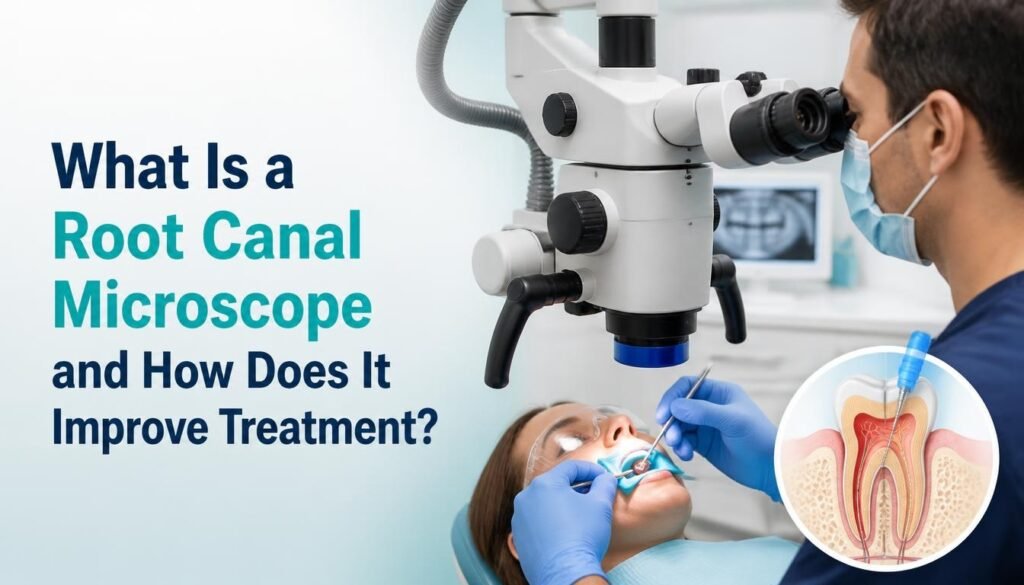
Specialised instruments and disinfecting solutions are used to clean the root canal system. Extra care is required because the resorptive cavity may have an irregular shape.
Step 4: Sealing the Resorptive Defect
Depending on the extent of damage, suitable root canal filling materials may be used to seal the enlarged canal and resorptive area.
Bioceramic and calcium silicate-based materials may be considered when additional repair is required.
Step 5: Final Restoration
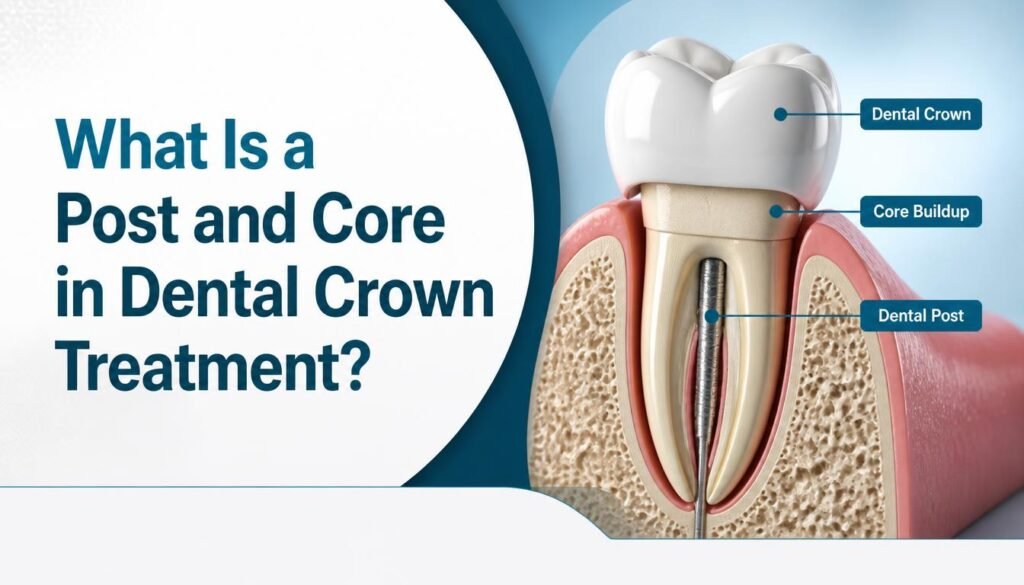
Once root canal treatment is completed, the dentist determines whether the tooth needs a permanent filling or a dental crown.
A crown may be recommended when considerable tooth structure has been weakened or lost. It helps protect the remaining tooth against further damage from chewing forces.
Learn more about root canal treatment and other dental services at The Dental Crowns.
Can Internal Root Resorption Be Stopped With Root Canal Treatment?
In many cases of active internal inflammatory resorption, root canal treatment can stop the resorptive process by removing the inflamed pulp tissue and eliminating the blood supply supporting the resorbing cells.
However, the treatment cannot automatically restore dentin that has already been destroyed.
The dentist must also assess whether the remaining root structure is strong enough to support the tooth.
If the resorption has caused a perforation, the dentist may need to repair the defect using appropriate biocompatible materials. The outcome depends on the size, position, accessibility, and restorability of the damaged area.
Early treatment generally provides a better opportunity to preserve the natural tooth.
When Is a Tooth With Internal Resorption Beyond Saving?
Although root canal treatment can save many affected teeth, certain situations make treatment more challenging.
A tooth may have a poor prognosis when:
- The resorptive defect has caused extensive root destruction.
- A large perforation cannot be predictably repaired.
- The remaining tooth structure is insufficient for a stable restoration.
- There is a severe associated infection or periodontal problem.
- The tooth cannot be restored to normal function.
In such cases, the dentist may recommend extraction after evaluating all available treatment options.
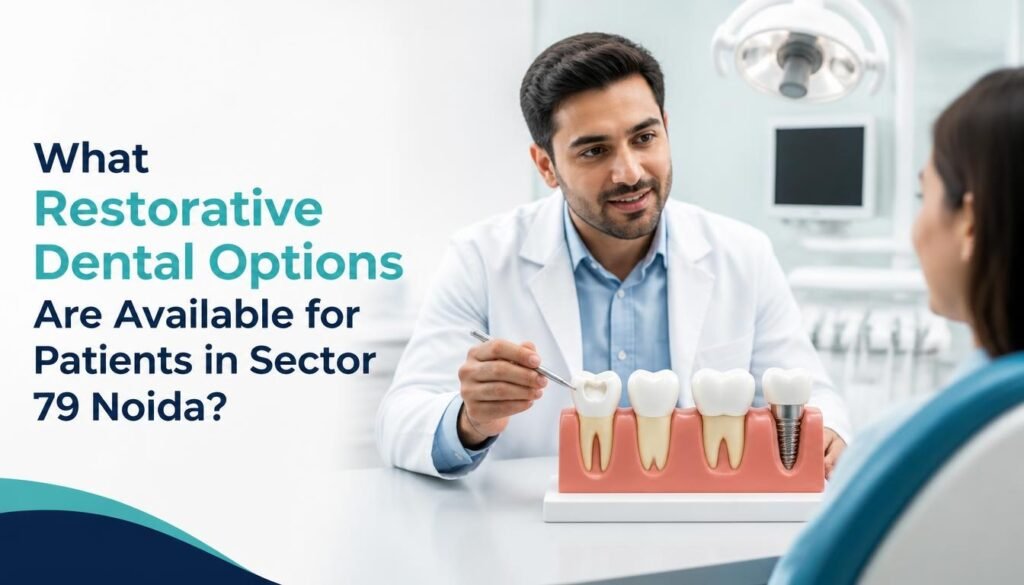
If extraction is necessary, a dental implant or dental bridge may be considered depending on the patient’s oral health and individual requirements.
Explore dental implant services at The Dental Crowns to understand possible tooth replacement options.
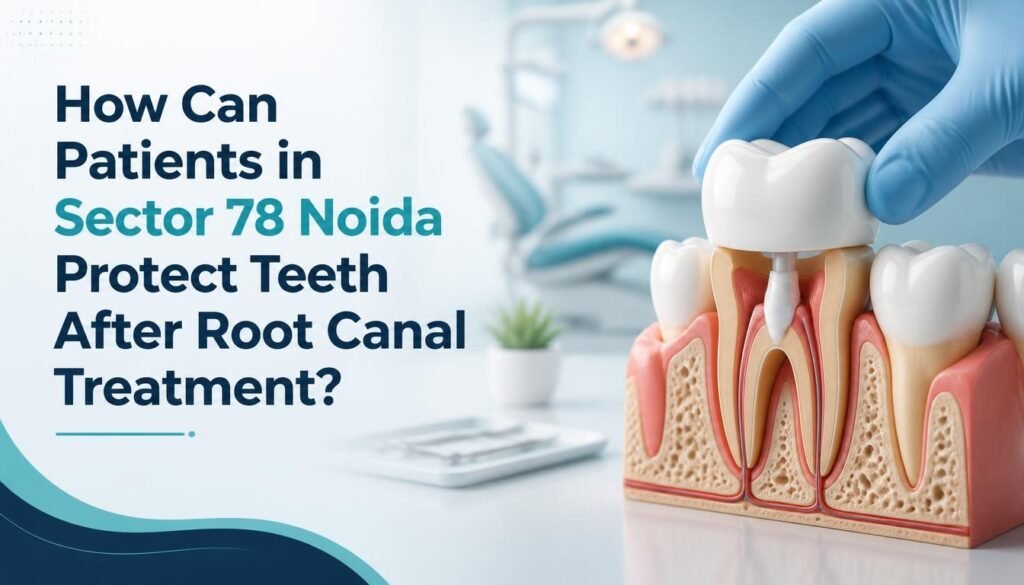
How Can You Protect a Tooth After Root Canal Treatment?
After successful treatment, proper restoration and follow-up care are important for maintaining the tooth.
Consider these preventive measures:
- Complete the recommended restoration: Do not delay a permanent filling or crown if your dentist recommends one.
- Maintain good oral hygiene: Brush twice daily and clean between your teeth.
- Attend follow-up appointments: Periodic clinical and radiographic examinations help monitor healing and detect complications.
- Avoid excessive pressure: Do not use a weakened or temporarily restored tooth to bite hard objects.
- Seek help if symptoms return: Pain, swelling, or discomfort should be evaluated promptly.
Consistent dental care can help protect the treated tooth and maintain overall oral health.
Frequently Asked Questions
1. Is root canal treatment successful for internal root resorption?
Root canal treatment can be successful in many cases, particularly when internal inflammatory resorption is diagnosed early and the tooth remains restorable. The outcome depends on the extent of dentin loss and whether the root has been perforated.
2. Is internal tooth resorption painful?
Not always. Early internal resorption may develop without noticeable symptoms. Some patients experience sensitivity, discomfort, pain, or tooth discolouration as the condition progresses.
3. Can internal root resorption spread to other teeth?
Internal root resorption is generally a local process affecting the tooth in which it develops. It does not typically spread from one tooth to another.
4. Can a tooth with internal resorption be saved?
Yes. Many affected teeth can be preserved with appropriate endodontic treatment. However, severely damaged or unrestorable teeth may require extraction.
5. Does internal resorption always require a root canal?
No. Treatment depends on the type and activity of resorption. Active inflammatory internal resorption generally requires endodontic treatment, while certain transient or inactive lesions may require monitoring by a dental professional.
6. Is a dental crown necessary after root canal treatment for internal resorption?
Not every treated tooth requires a crown. However, a crown may be recommended when the tooth has lost considerable structure and needs additional protection.
7. How is internal resorption different from external root resorption?
Internal resorption begins inside the pulp chamber or root canal, whereas external resorption starts on the outer root surface. Dental X-rays and, when indicated, CBCT help distinguish between these conditions.
8. Can internal root resorption be detected through a normal dental X-ray?
Yes. Conventional dental X-rays can often identify internal resorption. However, a CBCT scan may be recommended when the dentist needs a more detailed three-dimensional assessment.
Conclusion
So, can a root canal be done on a tooth with internal resorption? In many cases, yes. Root canal treatment can help eliminate the inflamed pulp tissue, control active internal inflammatory resorption, and preserve the natural tooth.
The most important factors are early diagnosis, accurate assessment of the damaged root structure, and choosing the right treatment approach.
If you are experiencing unexplained tooth pain, unusual tooth discolouration, or have been diagnosed with internal root resorption, do not delay professional dental evaluation.
At The Dental Crowns, Noida, patients can explore dental care options based on their individual oral health needs. Visit The Dental Crowns to learn more about available dental services and schedule a consultation.
Disclaimer: This article is intended for general dental education and does not replace a professional examination, diagnosis, or personalised treatment plan.