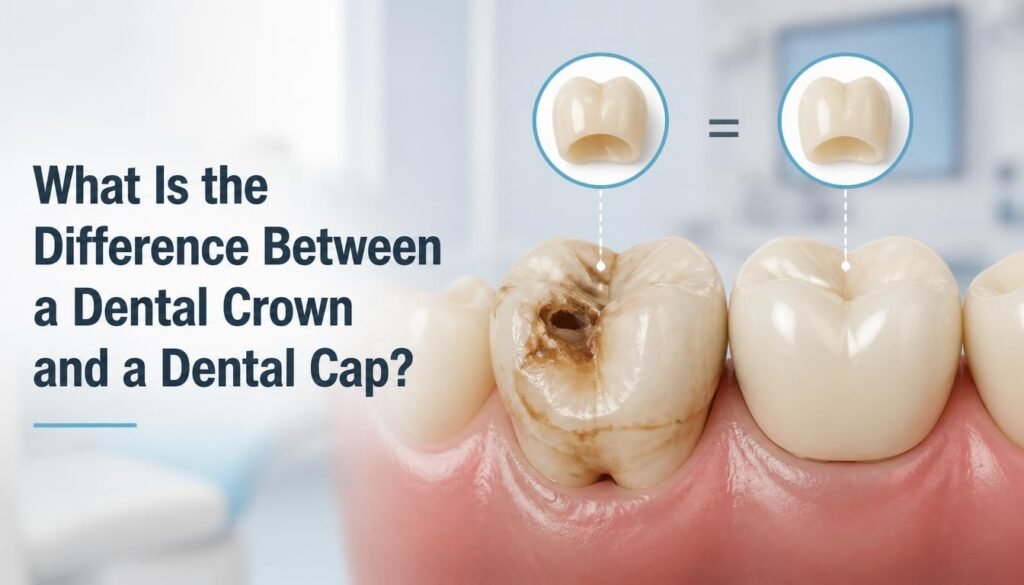


A dental crown is designed to restore and protect a damaged, weakened, cracked, or heavily restored tooth. But getting a crown is only the first step. Proper dental crown care is essential if you want your restoration to remain comfortable, functional, and attractive for as long as possible.
Many patients searching for how to care for a dental crown wonder whether crowns require special maintenance. The good news is that caring for a dental crown is generally similar to caring for your natural teeth. However, certain habits can help prevent crown damage, protect the tooth underneath, and reduce the chances of needing an early replacement.
According to the American Dental Association (ADA), crowns can help strengthen damaged teeth, restore broken teeth, improve appearance, and protect dental implants. However, the tooth and surrounding gums still require regular oral hygiene. American Dental Association, Crowns
If you have recently undergone dental crown treatment in Noida, or you are considering getting a crown, this guide explains exactly how to maintain your crown and help it last longer.
Quick Answer: How Do You Care for a Dental Crown?
To keep your dental crown in good condition:
- Brush your teeth twice a day with fluoride toothpaste.
- Clean between your teeth every day.
- Pay attention to the gumline around the crown.
- Avoid chewing extremely hard objects.
- Do not use your teeth to open packages or bottles.
- Avoid biting pens, pencils, ice, or fingernails.
- Be careful with sticky foods if your crown is newly placed.
- Wear a dentist-recommended night guard if you grind your teeth.
- Maintain regular dental check-ups.
- Contact your dentist if your crown becomes loose, cracked, painful, or sensitive.
The most important point is simple: a dental crown is not maintenance-free. The crown itself cannot develop a cavity, but the natural tooth underneath and the surrounding gum tissue can still develop dental problems.
What Is a Dental Crown?
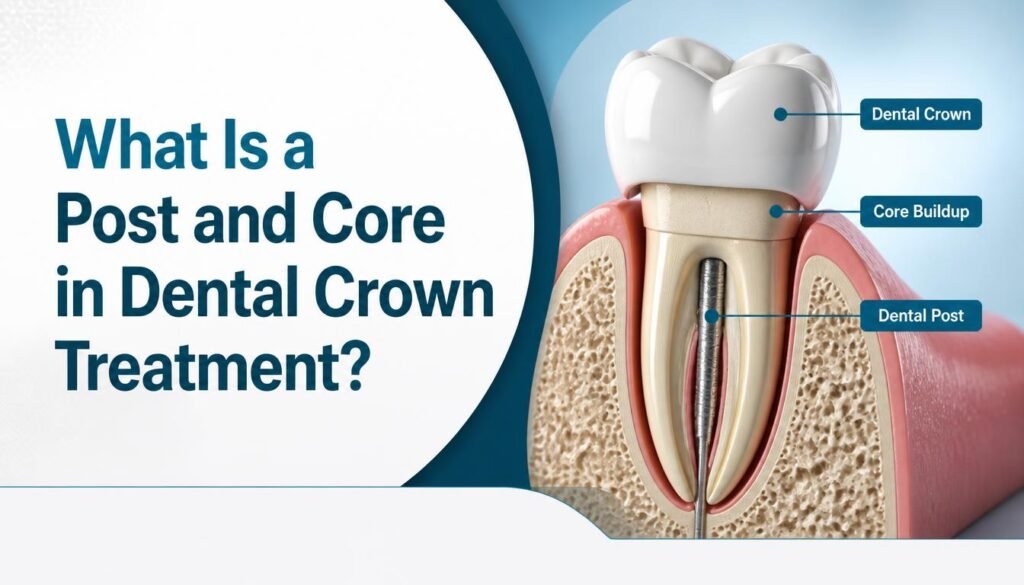
A dental crown, sometimes called a dental cap, is a customized restoration that covers the visible portion of a damaged or weakened tooth.
Dentists may recommend a crown when a tooth has:
- Extensive decay
- A large filling
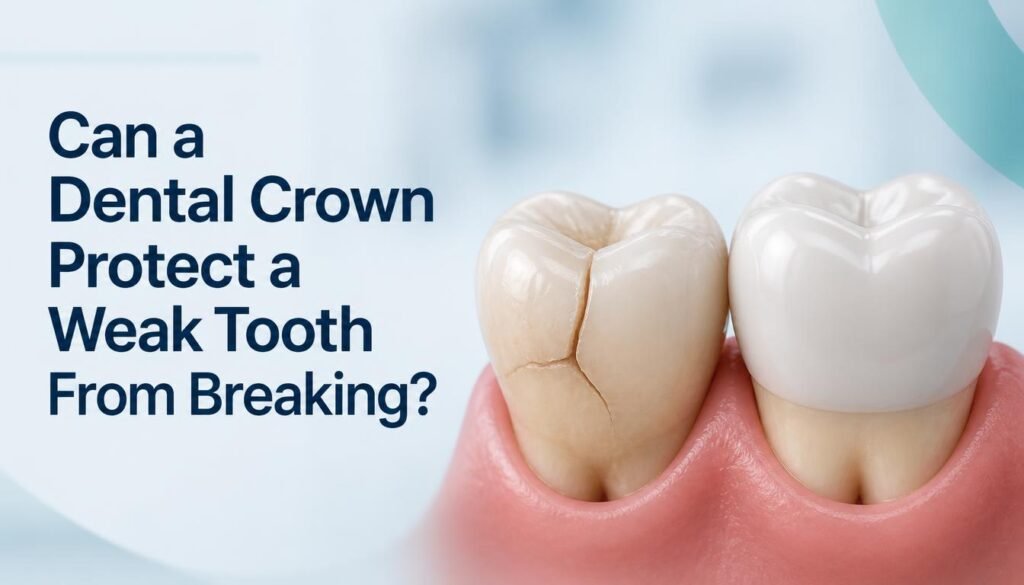
- A crack or fracture
- Significant structural damage
- Severe wear
- Certain post-root-canal restoration needs
- Cosmetic concerns
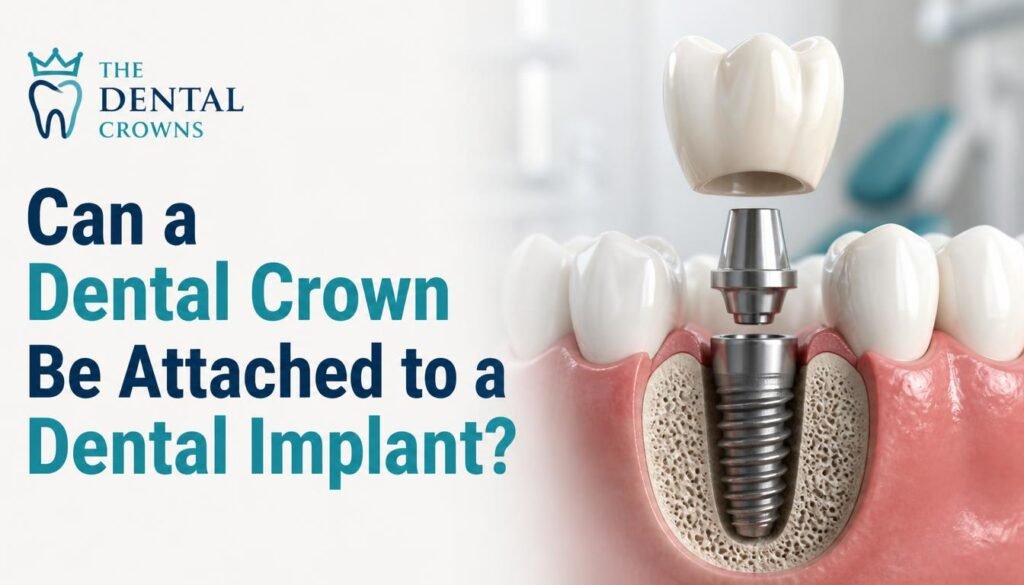
- A dental implant requiring a final restoration
The ADA explains that crowns can be used to strengthen weak teeth, restore broken teeth, protect teeth from further damage, and cover dental implants.
If you are unsure whether you need a crown, your dentist should examine your tooth before recommending treatment.
For patients considering dental crown treatment in Noida, you can explore the services available at The Dental Crowns.
How to Care for Your Dental Crown: 10 Essential Tips
1. Brush Your Teeth Twice a Day
One of the most important dental crown care tips is to maintain consistent brushing.
Brush your teeth twice a day using fluoride toothpaste and a soft-bristled toothbrush. Clean the crown gently but thoroughly, especially around the gumline.
The American Dental Association recommends brushing twice daily with fluoride toothpaste for approximately two minutes. American Dental Association, Home Oral Care
You do not need to avoid brushing the crowned tooth. In fact, keeping the area clean is essential for protecting the natural tooth beneath the crown.
Best brushing technique for a dental crown
- Use a soft-bristled toothbrush.
- Avoid aggressive scrubbing.
- Brush around the crown and gumline.
- Use gentle circular motions.
- Brush for about two minutes.
- Replace your toothbrush or toothbrush head regularly.
If your dentist has recommended a specific toothbrush or toothpaste, follow those instructions.
2. Clean Between Your Teeth Every Day
Brushing alone does not effectively clean every area between your teeth.
Food particles and plaque can accumulate around the edges of a dental crown, particularly near the gumline. This can contribute to gum inflammation and increase the risk of problems affecting the tooth underneath.
Therefore, flossing with a dental crown or using another suitable interdental cleaner should be part of your daily routine.
The ADA recommends cleaning between teeth daily as part of regular oral care. American Dental Association, Oral Health Recommendations
How to floss around a dental crown
Gently guide the floss between the teeth rather than forcing it downward. Curve the floss around the side of the tooth and carefully clean the area near the gumline.
If traditional floss is difficult for you, ask your dentist whether an interdental brush, water flosser, or another cleaning aid would be appropriate.
3. Pay Extra Attention to the Gumline
A common mistake after dental crown treatment is focusing only on the visible crown.
The gumline surrounding your crown is equally important.
Plaque can collect where the crown meets the gum tissue. Poor cleaning in this area may contribute to gum inflammation, bleeding, bad breath, and other oral-health problems.
When brushing, gently clean:
- The front of the crown
- The back of the crown
- The chewing surface
- The gumline
- The spaces between the crowned tooth and neighboring teeth
Healthy gums provide an important foundation for long-term crown maintenance.
4. Avoid Chewing Extremely Hard Foods and Objects
One of the easiest ways to damage a dental crown is excessive biting force.
Although modern dental crowns are designed to withstand normal chewing, extremely hard objects can place unnecessary stress on the restoration.
Avoid using your crowned tooth to bite:
- Ice
- Hard candy
- Pen caps
- Pencils
- Fingernails
- Bottle caps
- Packaging
- Very hard bones
- Other non-food objects
You should also avoid deliberately testing how strong your crown is.
If you frequently chew ice or hard objects, changing the habit can help protect both your crown and your natural teeth.
5. Be Careful With Sticky Foods
Sticky foods can sometimes put additional stress on dental restorations.
Foods such as very sticky candy, caramel, or chewing gum may pull against a restoration, particularly if the crown is newly placed or if there are existing problems with the cement or fit.
This does not necessarily mean you can never eat these foods. However, moderation and good oral hygiene are important.
If your dentist has given you specific dietary instructions after crown placement, follow those instructions.
6. Do Not Use Your Crowned Tooth as a Tool
This may sound obvious, but many people unconsciously use their teeth as tools.
Opening packets, tearing plastic, biting thread, holding objects, or opening bottle caps with your teeth can damage natural teeth and dental restorations.
Even a strong porcelain crown, ceramic crown, zirconia crown, or other dental crown can be damaged by inappropriate force.
Your teeth are designed for eating and speaking—not opening packages.
7. Manage Teeth Grinding and Clenching
Teeth grinding, also called bruxism, can place significant pressure on both natural teeth and dental restorations.
If you grind or clench your teeth, tell your dentist before or after receiving a crown.
Depending on your individual situation, your dentist may recommend a custom night guard or another approach to protect your teeth and restoration.
Do not purchase a generic appliance and assume it is suitable for your crown. A dentist can evaluate your bite and recommend an appropriate solution.
8. Maintain Regular Dental Check-Ups
Even if your dental crown feels completely normal, regular dental examinations remain important.
During a check-up, your dentist can assess:
- Crown condition
- Crown margins
- Gum health
- Bite and chewing forces
- Tooth structure underneath
- Signs of decay
- Signs of wear
- Possible cracks or looseness
Regular professional dental care can help identify small problems before they become bigger ones.
The ADA recommends regular dental visits as part of maintaining oral health.American Dental Association, Oral Health Recommendations
9. Follow Your Dentist’s Instructions After Crown Placement
The first few days following dental crown treatment can be particularly important.
Your dentist may give you instructions regarding:
- Eating
- Temporary crowns
- Oral hygiene
- Sensitivity
- Flossing
- Bite adjustment
- Follow-up appointments
If you receive a temporary crown before your permanent restoration, take additional care around that tooth and follow the specific instructions provided by your dentist.
Do not ignore unusual discomfort simply because you have recently received a crown.
10. Report Problems Early
A dental crown should not be ignored if something feels different.
Contact your dentist if you notice:
- A loose crown
- A cracked or chipped crown
- Persistent pain
- Increasing sensitivity
- Pain while biting
- Gum swelling
- Bleeding around the crown
- Food repeatedly getting trapped
- A change in your bite
- Bad taste or persistent bad breath near the crown
Early evaluation may help prevent a minor issue from becoming a more complicated dental problem.
How Long Do Dental Crowns Last?
One of the most common questions patients ask is:
“How long do dental crowns last?”
A well-maintained dental crown can often last approximately 5 to 15 years, although some crowns may remain functional for longer. The actual lifespan depends on several factors, including the crown material, oral hygiene, bite forces, the condition of the natural tooth, diet, habits, and regular dental care.
For example, a person who maintains excellent oral hygiene and does not grind their teeth may be able to keep a crown functional for many years.
On the other hand, untreated teeth grinding, poor oral hygiene, hard-food habits, or problems with the underlying tooth may shorten the lifespan of a restoration.
So instead of asking only “How long does a crown last?”, it is better to ask:
“What can I do to make my dental crown last longer?”
Can a Dental Crown Get a Cavity?
The crown material itself does not develop tooth decay in the same way natural tooth enamel does.
However, the natural tooth underneath or around the crown can still be affected by decay.
This is why dental crown maintenance should include excellent brushing, daily interdental cleaning, healthy eating habits, and regular dental examinations.
A crown protects a tooth—it does not make the tooth completely immune to future dental problems.
Can You Floss Around a Dental Crown?
Yes. In most cases, cleaning between teeth remains an important part of caring for a dental crown.
However, the correct technique matters.
Do not aggressively pull floss against the crown. Instead, gently clean around the crowned tooth and gumline.
If floss repeatedly catches, shreds, or causes discomfort, tell your dentist. It could indicate a problem that needs evaluation.
Can You Eat Normally With a Dental Crown?
Once your dentist confirms that your permanent crown is properly placed and your bite feels comfortable, most people can return to normal eating.
However, it is sensible to avoid unnecessarily hard or sticky foods and not use your crown as a tool.
If you experience pain when chewing after your crown has been placed, contact your dentist rather than continuing to chew through the discomfort.
Does a Dental Crown Need Special Toothpaste?
Usually, normal fluoride toothpaste can be used unless your dentist recommends something different.
The important factor is maintaining consistent oral hygiene rather than relying on a special product.
The ADA recommends fluoride toothpaste for regular brushing. American Dental Association, Home Oral Care
If you have sensitive teeth, gum disease, a high cavity risk, or another oral-health concern, your dentist may recommend a particular toothpaste or oral-care routine.
What Can Damage a Dental Crown?
Several habits can increase the risk of crown damage.
Common causes include:
- Teeth grinding
- Biting extremely hard foods
- Chewing ice
- Using teeth as tools
- Poor oral hygiene
- Untreated gum disease
- Poorly controlled plaque
- Dental trauma
- An unhealthy bite
- Delaying dental treatment when a crown becomes loose or damaged
Not every crown problem is caused by the crown itself. Sometimes the tooth underneath, surrounding gums, bite, or other oral-health conditions contribute to the problem.
What Should You Do If Your Dental Crown Falls Out?
If your crown becomes loose or falls out, do not panic.
Follow these steps:
1. Save the crown.
Keep it in a clean container and take it to your dentist.
2. Avoid chewing on that side.
The exposed tooth may be sensitive or vulnerable.
3. Keep the area clean.
Continue gentle oral hygiene.
4. Do not permanently glue the crown yourself.
Household glue or inappropriate adhesives can cause additional problems.
5. Contact your dentist.
Your dentist can determine whether the crown can be re-cemented or whether a new restoration is required.
A loose crown should not be ignored, even if there is little or no pain.
Dental Crown Care After Root Canal Treatment
Some teeth require crowns after root canal treatment because the remaining tooth structure may need additional protection.
If you have had a root canal treatment followed by a crown, maintaining both the restoration and surrounding oral tissues is important.
You can learn more about restorative dental treatment through The Dental Crowns’ dental services.
If you are experiencing pain or sensitivity in a previously root-canal-treated tooth, schedule an examination rather than assuming the problem is normal.
Dental Crown Care for Different Crown Materials
Dental crowns can be made from different materials, including porcelain, ceramic, zirconia, metal alloys, and porcelain-fused-to-metal options.
The material may influence aesthetics, strength, function, and treatment suitability.
However, regardless of the material, good oral hygiene remains essential.
Porcelain Crowns
Porcelain crowns are popular because of their natural appearance and ability to blend with surrounding teeth.
The Dental Crowns provides information about its porcelain dental crown treatment in Noida.
Zirconia Crowns
Zirconia is another option used in restorative dentistry. Whether zirconia is appropriate depends on factors such as the location of the tooth, bite, aesthetics, available tooth structure, and your dentist’s assessment.
Ceramic Crowns
Ceramic restorations can provide an aesthetic appearance and may be considered depending on the clinical situation.
Your dentist should select the crown material based on your individual needs rather than simply choosing the most popular option.
7 Habits That Can Help Your Crown Last Longer
If you want to maximize the lifespan of your dental crown, make these habits part of your routine:
Habit 1: Brush twice daily
Use fluoride toothpaste and a soft-bristled toothbrush.
Habit 2: Clean between your teeth daily
Floss or use an appropriate interdental cleaner.
Habit 3: Reduce excessive sugar
Frequent sugar exposure can increase the risk of tooth decay around natural tooth structure.
Habit 4: Stop biting hard objects
Avoid ice, pens, nails, and other non-food objects.
Habit 5: Treat teeth grinding
Ask your dentist about appropriate protection if you grind or clench.
Habit 6: Attend dental check-ups
Professional examinations can identify potential problems early.
Habit 7: Act quickly when something changes
Pain, looseness, sensitivity, or a chipped crown should be evaluated.
Dental Crown Care Checklist
Save this simple checklist:
☐ Brush twice daily
☐ Use fluoride toothpaste
☐ Clean between teeth daily
☐ Clean around the crown and gumline
☐ Avoid chewing ice
☐ Avoid biting hard objects
☐ Do not use teeth as tools
☐ Be cautious with sticky foods
☐ Manage teeth grinding
☐ Attend regular dental check-ups
☐ Follow post-treatment instructions
☐ Contact your dentist if the crown becomes loose or painful
Following these simple habits can support the long-term health of both your dental crown and the natural tooth underneath.
When Should You Visit a Dentist About Your Crown?
You should consider contacting your dentist if:
- Your crown feels loose.
- Your crown has chipped or cracked.
- You feel pain when biting.
- Your tooth becomes increasingly sensitive.
- Your gums bleed around the crown.
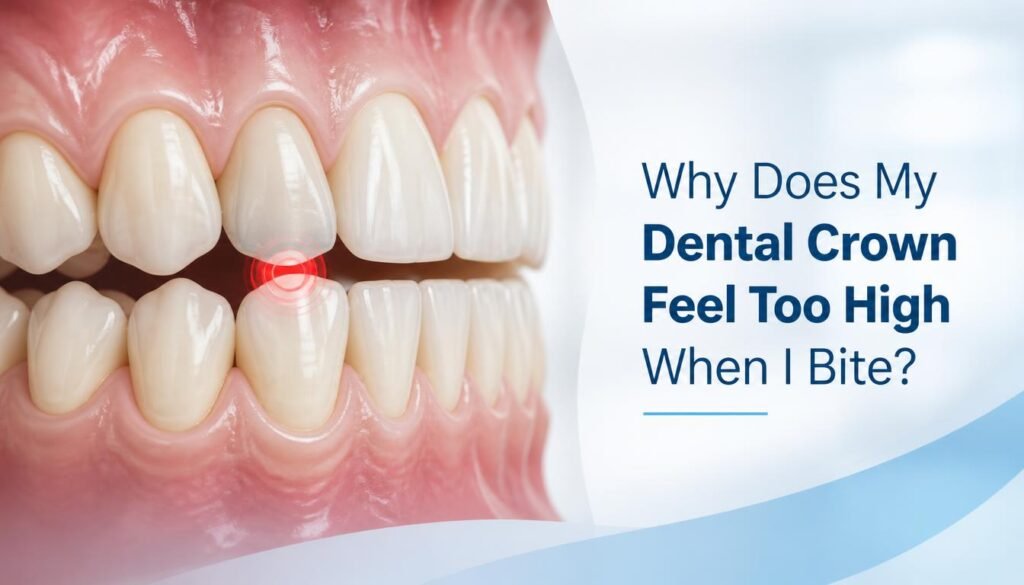
- The crown feels too high or your bite has changed.
- Food frequently becomes trapped around the crown.
- You notice swelling near the crowned tooth.
- Your crown has completely fallen out.
Don’t wait for severe pain before getting a dental crown checked.
Dental Crown Treatment in Noida
If you are searching for dental crown treatment in Noida, choosing a dental clinic that evaluates your tooth, gums, bite, and overall oral health is important.
The Dental Crowns is located at Civitech Stadia, Sector 79, Noida, Uttar Pradesh, and offers dental crowns along with restorative, cosmetic, and surgical dental services.
Patients searching for a dental crown dentist in Noida, dental crown treatment near Sector 79, or dental treatment near surrounding Noida sectors can consult the clinic to determine the appropriate treatment for their individual dental condition.
You can explore the clinic’s complete dental services before scheduling a consultation.
Frequently Asked Questions About Dental Crown Care
1. How do I make my dental crown last longer?
Maintain excellent oral hygiene, brush twice daily, clean between your teeth daily, avoid extremely hard foods and objects, manage teeth grinding, and attend regular dental check-ups.
2. How long does a dental crown normally last?
A dental crown commonly lasts around 5–15 years, although lifespan varies by material, oral hygiene, bite forces, habits, and the condition of the underlying tooth.
3. Can I brush normally with a dental crown?
Yes. Regular brushing with fluoride toothpaste is important for maintaining the crown, gums, and surrounding natural teeth.
4. Should I floss around my dental crown?
Yes. Cleaning between your teeth and around the crown is an important part of maintaining oral hygiene.
5. Can a crowned tooth get a cavity?
The crown itself does not decay like natural tooth structure, but the natural tooth underneath or around the crown can develop decay.
6. Can I eat normally after getting a crown?
After your dentist confirms that the permanent crown is properly placed, you can generally return to normal eating. Avoid unnecessarily hard foods and objects.
7. Can a dental crown break?
Yes. Crowns can chip, crack, loosen, or fracture, particularly when exposed to excessive forces or trauma.
8. Why does my dental crown hurt when I bite?
Pain when biting can have several causes, including bite-related issues, inflammation, problems with the underlying tooth, or other dental conditions. Your dentist should evaluate persistent pain.
9. What should I do if my crown comes off?
Save the crown, avoid chewing on the affected side, keep the area clean, and contact your dentist. Do not use household glue to attach it permanently.
10. Is a special toothbrush required for dental crowns?
Usually, no. A soft-bristled toothbrush is generally suitable, unless your dentist recommends another option.
11. Can I use an electric toothbrush with a dental crown?
In general, an electric toothbrush can be used as part of normal oral hygiene. Follow your dentist’s recommendations for your specific situation.
12. Should I use mouthwash with a dental crown?
Mouthwash may be an additional part of oral hygiene for some people, but it does not replace brushing and interdental cleaning. The ADA notes that mouthwash can provide additional benefits depending on the formulation and individual needs. American Dental Association, Mouthrinse
13. Can teeth grinding damage my crown?
Yes. Repeated clenching or grinding can place excessive forces on teeth and restorations. Speak with your dentist if you grind your teeth.
14. Do porcelain crowns require special care?
Porcelain crowns still require regular brushing, interdental cleaning, sensible eating habits, and professional dental care.
15. Can a dental crown last for 20 years?
Some crowns may remain functional for longer than the commonly cited 5–15-year range, but there is no guaranteed lifespan. Oral hygiene, material, bite, habits, and the underlying tooth all matter.
16. How often should I visit the dentist after getting a crown?
Your dentist can recommend an appropriate examination schedule based on your oral-health needs. Regular dental visits help monitor the crown and surrounding tissues.
17. Can I chew gum with a dental crown?
This depends on your crown, bite, and dentist’s advice. Very sticky products may place additional stress on some restorations.
18. What foods should I avoid with a dental crown?
Avoid unnecessarily hard foods and objects, especially ice and very hard candy. If your dentist has provided dietary restrictions, follow them.
19. Why is food getting stuck around my crown?
Food trapping may occur for different reasons, including tooth position, contact points, gum changes, or crown-related issues. Persistent food trapping should be evaluated.
20. Is sensitivity after a dental crown normal?
Some temporary sensitivity may occur after dental treatment, but persistent, worsening, or severe sensitivity should be assessed by your dentist.
Final Takeaway
Taking care of a dental crown is not complicated—it is about maintaining good oral hygiene and avoiding habits that place unnecessary stress on the restoration.
Brush twice daily, clean between your teeth every day, protect your teeth from excessive biting forces, manage teeth grinding, and attend regular dental check-ups.
Remember that a crown protects a tooth, but it does not eliminate the need for dental care. The natural tooth underneath and the surrounding gums still need protection.
If you have a loose, cracked, painful, or damaged crown, don’t wait until the problem becomes severe. A dental professional can examine the restoration and determine the appropriate next step.
For patients looking for dental crown treatment in Noida, you can explore The Dental Crowns’ complete dental services and discuss your individual treatment requirements with a dental professional.