Missing teeth can affect your ability to chew comfortably, speak confidently, and smile without hesitation. Dental implants are a popular tooth replacement option because they are designed to support a natural-looking replacement tooth. However, what happens if you have gum disease? Can dental implants still be an option?
Yes, dental implants may be possible for patients with a history of gum disease, but active gum disease should generally be treated and brought under control before implant placement. The suitability of treatment depends on gum health, jawbone condition, oral hygiene, medical history, and an individual dental assessment.
If you are considering dental implants in Noida, understanding the relationship between gum disease and implant treatment can help you make an informed decision.
What Is Gum Disease?
Gum disease is an inflammatory condition affecting the tissues that support your teeth. It commonly develops when plaque, a sticky film of bacteria, accumulates along the gumline.
Gum disease generally progresses through two main stages:
1. Gingivitis
Gingivitis is the early stage of gum disease. Common symptoms include red or swollen gums, tenderness, and bleeding during brushing or flossing. With appropriate professional treatment and improved oral hygiene, gingivitis can often be reversed.
2. Periodontitis
Periodontitis is a more advanced form of gum disease. It can damage the tissues and bone supporting your teeth, potentially causing gum recession, loose teeth, and tooth loss.
Can Dental Implants Be Placed in Patients With Gum Disease?
The answer depends on whether the disease is active or successfully controlled.
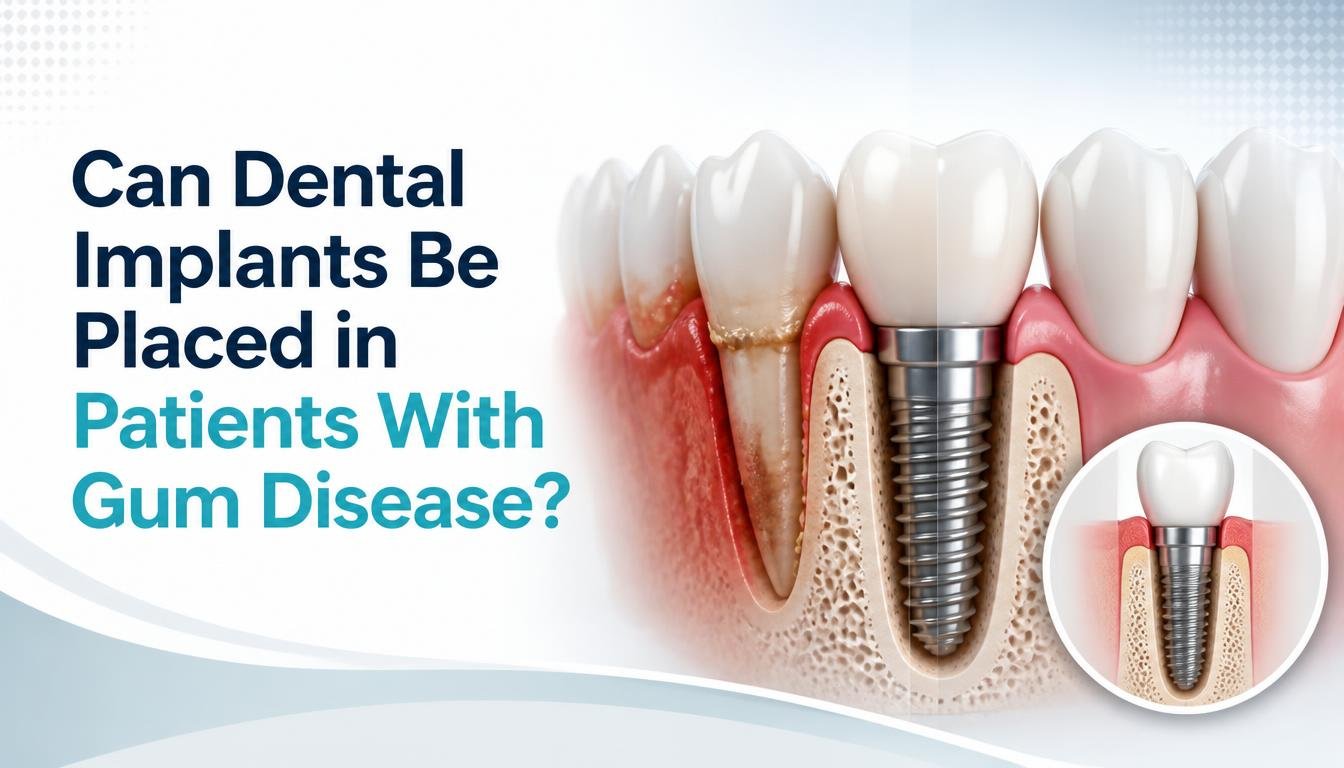
Patients with untreated or active periodontitis generally need periodontal treatment before proceeding with dental implants. Placing an implant while gum disease remains uncontrolled may increase the risk of inflammation, bone loss, implant complications, and eventual implant failure.
However, a previous history of gum disease does not automatically mean you can never receive dental implants.
After treatment, your dentist can evaluate whether your gum condition is stable enough for implant placement. Your remaining teeth, bone quality, oral hygiene, and individual risk factors will also influence the decision.
Why Is Gum Disease a Concern Before Dental Implant Treatment?
Dental implants rely on healthy surrounding tissues and successful integration with the jawbone. Existing gum disease can make treatment more challenging for several reasons.
1. Increased Risk of Infection and Inflammation
Bacteria associated with periodontal disease can contribute to inflammation around dental implants. If this inflammation develops in the tissues surrounding an implant, it may compromise the supporting structures.
2. Possible Jawbone Loss
Periodontitis can destroy the bone supporting natural teeth. If bone loss has occurred in the area where an implant is planned, the dentist must evaluate whether sufficient bone remains to support the implant.
Some patients may require additional procedures, such as bone grafting, depending on the clinical findings.
3. Higher Risk of Peri-Implantitis
Peri-implantitis is an inflammatory condition affecting the tissues around a dental implant, accompanied by progressive loss of supporting bone.
Patients with a history of periodontitis may have a higher risk of developing peri-implant disease. This makes preventive care and regular professional monitoring particularly important.
4. Challenges With Long-Term Maintenance
Dental implants need consistent care. Patients who struggle with plaque control or miss dental check-ups may be at greater risk of complications.
Successful treatment involves not only placing an implant but also maintaining healthy gums and surrounding tissues over time.
How Is Gum Disease Treated Before Dental Implants?
Before recommending dental implants, your dentist may suggest a periodontal treatment plan based on the severity of the disease.
Step 1: Comprehensive Dental Examination
Your dentist will examine your gums, teeth, and oral tissues. They may measure periodontal pockets, assess bleeding, and recommend dental X-rays or other imaging to evaluate bone levels and implant-site anatomy.
Your medical history, smoking habits, diabetes control, and oral hygiene routine may also be reviewed.
Step 2: Professional Cleaning and Periodontal Treatment
Depending on your condition, treatment may involve professional scaling and root surface cleaning to remove plaque and hardened deposits from around the teeth.
More advanced cases may require additional periodontal procedures or referral to a periodontist.
Step 3: Control Risk Factors
Improving oral hygiene, managing diabetes where applicable, and stopping smoking can help reduce risks associated with periodontal disease and implant treatment.
Your dentist will explain which changes are relevant to your individual circumstances.
Step 4: Reassess Gum Health
Following treatment, your dentist will assess whether the disease is sufficiently controlled. Implant placement should be planned according to the stability of your periodontal condition rather than a fixed waiting period that applies to everyone.
Step 5: Plan the Dental Implant Procedure
Once your oral health has been assessed and active disease is under control, your dentist can discuss implant placement, bone requirements, treatment alternatives, expected costs, and long-term maintenance.
How Long Should You Wait After Gum Disease Treatment Before Getting Dental Implants?
There is no single waiting period that applies to every patient.
The appropriate timing depends on the severity of gum disease, the treatment performed, healing, bone condition, and whether the periodontal tissues remain stable.
Your dentist may recommend follow-up visits before approving implant surgery. Patients who need more extensive periodontal treatment or bone grafting may require a different timeline from those with milder disease.
It is important not to rush into implant placement simply because symptoms such as bleeding or swelling have improved. A professional examination is needed to evaluate periodontal stability.
Who May Be Suitable for Dental Implants After Gum Disease?
You may be considered for dental implants if your dentist determines that:
- Your gum disease has been treated and is stable.
- Your jawbone provides adequate support, or additional treatment can make placement feasible.
- You can maintain effective daily oral hygiene.
- Relevant medical conditions, including diabetes, are appropriately managed.
- You understand the need for regular follow-up and professional maintenance.
These are general considerations rather than a guarantee of eligibility. Your dentist must assess your individual clinical condition before recommending treatment.
Can Gum Disease Return After Dental Implants?
Yes. A history of periodontal disease can increase the risk of future problems around implants, particularly if plaque accumulates or maintenance is inconsistent.
Although dental implants do not develop cavities like natural teeth, the gum tissue and bone surrounding them can still become inflamed or damaged.
To protect your implants:
- Brush twice daily with a soft-bristled toothbrush.
- Clean between your teeth and around implants using appropriate interdental cleaning aids.
- Attend regular dental and periodontal maintenance appointments.
- Avoid smoking and seek help to quit if needed.
- Keep diabetes and other relevant health conditions under appropriate medical supervision.
- Contact your dentist if you notice bleeding, swelling, persistent discomfort, or changes around an implant.
Your dentist may recommend a personalised recall schedule based on your periodontal history and individual risk.
Are Dental Implants Better Than Dentures for Patients With Gum Disease?
Dental implants and dentures serve different needs, and neither option is automatically best for every patient.
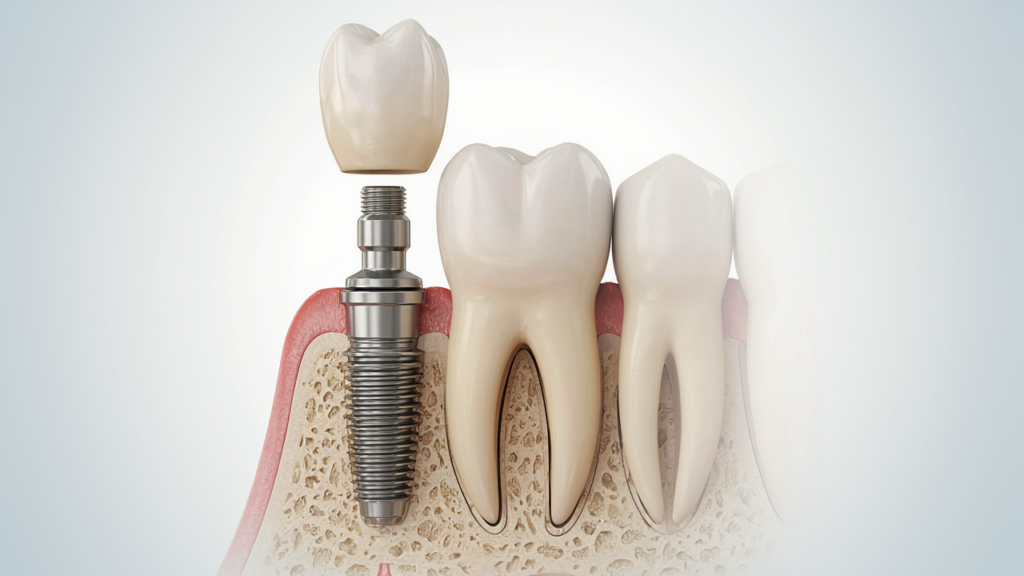
Dental implants are fixed into the jawbone and can support replacement teeth. Removable dentures rest on the oral tissues and may be appropriate when surgery is unsuitable or a patient prefers a non-surgical option.
For patients with advanced gum disease or substantial bone loss, dentures, bridges, or other treatment options may be considered depending on the remaining teeth and overall oral health.
The right choice depends on your clinical condition, preferences, budget, and long-term maintenance requirements. Your dentist can explain the benefits, limitations, and risks of each option.
What Is the Cost of Dental Implants After Gum Disease Treatment in Noida?
The cost of dental implants varies according to the number of teeth being replaced, the type of implant and restoration, the condition of the jawbone, and the complexity of treatment.
If gum disease is present, the total treatment plan may also include periodontal therapy, professional cleaning, imaging, or bone grafting when clinically necessary.
Because every patient has different needs, it is best to obtain a personalised estimate after an examination rather than relying on a single advertised price.
When comparing treatment options, ask for a breakdown of the implant, final crown, any additional procedures, follow-up appointments, and maintenance costs.
Why Is a Dental Consultation Important Before Implant Placement?
A consultation helps identify gum disease, assess bone support, and determine whether implant treatment is appropriate.
It also gives you an opportunity to discuss your treatment timeline, available alternatives, likely expenses, and the maintenance needed to protect your oral health.
If you are exploring dental implants in Noida, The Dental Crowns provides dental care services that include implant treatment. An individual assessment can help determine the next steps based on your needs.
Book a dental consultation with The Dental Crowns to discuss your missing teeth, gum health, and suitability for dental implants.
Frequently Asked Questions
1. Can I get dental implants if my gums bleed?
Bleeding gums can indicate gingivitis or periodontitis, although other causes are possible. Your dentist should identify the cause and treat any active gum disease before proceeding with elective implant placement.
2. Can dental implants be successful after periodontitis?
Yes, dental implants may be successful in selected patients whose periodontal disease has been treated and stabilised. However, a history of periodontitis can increase the risk of peri-implant complications, making ongoing maintenance essential.
3. Does gum disease cause dental implant failure?
Active periodontal disease and a history of periodontitis can increase the risk of complications, including inflammation and supporting bone loss. This does not mean every implant will fail, but risk assessment and preventive care are important.
4. Will I need bone grafting if gum disease has damaged my jawbone?
Not necessarily. Bone grafting may be recommended when the available bone is insufficient for the planned implant. Your dentist will determine this through clinical examination and appropriate imaging.
5. How can I protect dental implants if I have a history of gum disease?
Maintain daily oral hygiene, clean around the implant carefully, avoid smoking, manage relevant medical conditions, and attend regular professional maintenance visits. Follow your dentist’s personalised recommendations.
6. Should I treat gum disease before replacing a missing tooth?
In most cases, active gum disease should be controlled before implant placement. Treating periodontal problems first helps establish a healthier foundation for future tooth replacement.
Final Thoughts
Dental implants may be an option for patients with a history of gum disease, but active periodontitis should generally be treated before implant surgery. Careful assessment, periodontal stability, appropriate treatment planning, and long-term maintenance all contribute to reducing the risk of complications.
If you have missing teeth and a history of gum problems, do not assume that dental implants are automatically unsuitable for you. Arrange a dental examination to understand your options and determine the safest treatment plan for your needs.
Take the first step towards a healthier smile by discussing your dental implant options with The Dental Crowns in Noida.
Medical disclaimer: This article is for general educational purposes and does not replace a personalised examination or diagnosis by a qualified dental professional.