Have you ever wondered what causes a tooth to need root canal treatment? A root canal is generally recommended when the soft tissue inside a tooth, known as the dental pulp, becomes severely inflamed or infected. This can happen because of deep tooth decay, cracks, repeated dental procedures, trauma, or other damage that allows bacteria to reach the inner part of the tooth.
When the pulp becomes infected, simply treating the outside of the tooth may no longer be enough. Root canal treatment removes the infected or inflamed pulp, cleans and disinfects the root canals, and seals the tooth to help prevent reinfection.
At The Dental Crowns in Noida, patients can receive advanced painless root canal treatment designed to preserve the natural tooth while addressing the underlying infection.
But how does a tooth reach this stage?
Let’s look at the most common causes.
What Is Root Canal Treatment?
Before understanding the causes, it helps to understand what a root canal actually treats.
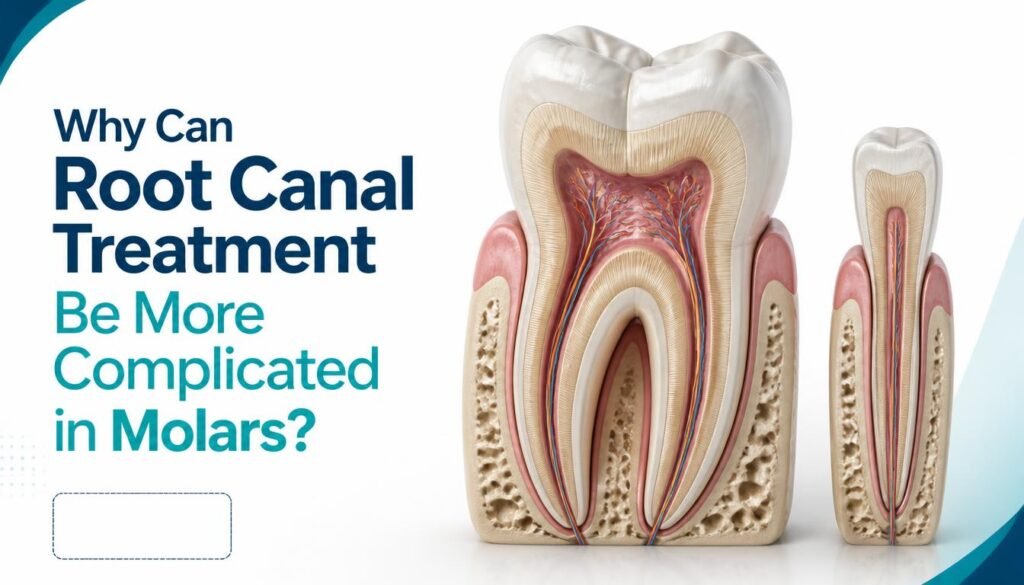
Inside every healthy tooth is a soft tissue called pulp. It contains nerves, blood vessels and connective tissue. The pulp extends from the crown of the tooth down through the root canals.
When bacteria enter this area and cause infection or significant inflammation, root canal treatment may be required.
During root canal treatment, the dentist removes the affected pulp, cleans and disinfects the canals, then fills and seals the space. The tooth can subsequently be restored with an appropriate filling or crown depending on how much tooth structure remains.
According to the American Association of Endodontists, root canal treatment may be necessary when the pulp becomes inflamed or infected because of deep decay, repeated dental procedures, faulty crowns, cracks or chips, or dental trauma.
7 Common Causes of a Tooth Needing Root Canal Treatment
1. Deep Tooth Decay
One of the most common reasons a tooth may need a root canal is deep tooth decay.
Tooth decay usually begins on the outer surface of a tooth. If it is detected early, a dentist may be able to treat it with preventive care or a filling.
However, untreated decay can progress deeper into the tooth. Once decay reaches the pulp, the nerves and blood vessels inside the tooth can become inflamed or infected.
At this stage, a simple filling may no longer be sufficient.
Signs that decay may have progressed include:
- Persistent toothache
- Sensitivity to hot or cold
- Pain when chewing
- A visible cavity
- Tooth discoloration
- Swelling around the tooth
The NHS explains that when tooth decay reaches the soft tissue in the centre of the tooth, root canal treatment may be required.
This is why treating cavities early is important.
2. A Cracked or Fractured Tooth
A crack in a tooth can provide bacteria with a pathway toward the pulp.
Not every cracked tooth requires root canal treatment. The appropriate treatment depends on the location and severity of the crack and whether the pulp has been affected.
However, when a crack exposes or damages the pulp, root canal treatment may be recommended to address the infection or inflammation.
A cracked tooth may cause:
- Sharp pain when biting
- Pain that comes and goes
- Sensitivity to hot or cold foods
- Discomfort when releasing a bite
- Increased sensitivity around the affected tooth
Cracks can sometimes be difficult to identify because they may not be visible during a simple visual examination.
If you experience unexplained pain while biting, it is worth having the tooth examined by a dentist.
3. Dental Trauma or Injury
A tooth can require root canal treatment even when there is no obvious cavity.
A sports injury, fall, accident, blow to the mouth or other trauma can damage the pulp inside a tooth.
According to the American Association of Endodontists, an injury can damage the pulp even when the tooth does not have an obvious chip or crack.
After dental trauma, the tooth may eventually develop:
- Persistent pain
- Sensitivity
- Discoloration
- Swelling
- Changes around the root
The pulp may become damaged immediately or develop complications later, which is why a dental examination after significant tooth trauma is important.
4. Repeated Dental Procedures on the Same Tooth
A tooth can sometimes undergo several dental procedures during its lifetime.
For example, a tooth may have had multiple fillings or other restorative procedures. Repeated treatment can place stress on the tooth and, in some circumstances, contribute to pulp inflammation or damage.
The American Association of Endodontists lists repeated dental procedures as one of the reasons a tooth may eventually require root canal treatment.
This does not mean that fillings or other dental treatments automatically cause root canal problems. Rather, a heavily restored tooth may have a greater history of damage or treatment that needs to be considered when symptoms develop.
5. Problems Under an Old Filling or Crown
An old filling or crown can sometimes develop leakage or other problems.
If bacteria gain access beneath a restoration, decay or infection can develop. If the infection reaches the pulp, root canal treatment may become necessary.
This is particularly important for patients who have had extensive dental work.
If you have an existing crown or filling and begin experiencing:
- Toothache
- Sensitivity
- Pain while chewing
- Swelling
- A bad taste around the tooth
you should have the restoration and underlying tooth evaluated.
If a tooth has become structurally weakened after root canal treatment, a dental crown may also be considered to restore and protect it.
You can learn more about porcelain dental crowns at The Dental Crowns.
6. Dental Abscess
A dental abscess is a collection of pus associated with a bacterial infection.
An abscess can develop when infection from the pulp spreads into the tissues around the root.
Symptoms can include:
- Severe toothache
- Swelling
- Pain while chewing
- Tender gums
- A pimple or bump on the gum
- Bad taste in the mouth
- Fever in some cases
An abscess does not always cause severe pain. In some situations, an infected tooth may have relatively mild symptoms while the infection continues.
Because dental infections can progress, swelling or persistent dental pain should not be ignored.
7. Untreated Tooth Problems That Progress Over Time
Sometimes a tooth doesn’t suddenly need a root canal.
The problem can develop gradually.
For example:
Small cavity → deeper decay → pulp inflammation → pulp infection → abscess
The earlier a dental problem is detected, the more treatment options may be available.
Regular dental examinations can help identify decay, damaged fillings, cracks and other problems before they become more complicated.
How Do You Know If You Might Need a Root Canal?
Not everyone who experiences tooth pain needs root canal treatment.
However, certain symptoms deserve a professional dental evaluation.
Possible warning signs include:
Persistent Toothache
Pain that continues or repeatedly returns can indicate an underlying dental problem.
Lingering Hot or Cold Sensitivity
Temporary sensitivity can have several causes. However, sensitivity that continues after the hot or cold stimulus has been removed can be a sign of pulp damage.
Pain While Chewing
Pain when biting or chewing may occur with decay, a cracked tooth, a loose restoration or pulp-related problems.
Swollen or Tender Gums
Swelling around a specific tooth can be associated with infection.
Tooth Discoloration
A tooth that becomes darker than surrounding teeth may have experienced pulp damage, particularly following trauma.
Gum Pimple
A small pimple or bump on the gum near a tooth can sometimes indicate drainage associated with an infection.
The American Association of Endodontists recommends professional evaluation for persistent dental symptoms because several different conditions can produce similar types of pain.
Does Tooth Pain Always Mean You Need a Root Canal?
No.
Tooth pain does not automatically mean that root canal treatment is required.
Sensitivity or pain can result from several different problems, including:
- Tooth decay
- Gum problems
- Worn enamel
- A cracked tooth
- A loose filling
- Recent dental treatment
- Teeth grinding
- Sinus-related discomfort
- Pulp inflammation or infection
A dentist may use your symptoms, clinical examination and dental X-rays or other diagnostic tests to determine what is causing the problem.
Therefore, it is better to avoid diagnosing yourself based on symptoms alone.
Can a Tooth Need a Root Canal Without Severe Pain?
Yes.
This is one of the important things patients should understand.
An infected or damaged tooth does not necessarily produce severe pain at every stage.
Some patients may experience:
- Mild discomfort
- Occasional sensitivity
- A dull ache
- Swelling without significant pain
- No obvious symptoms
An infection can sometimes be discovered during a routine dental examination or X-ray.
That is why the absence of pain does not always mean that a tooth is healthy.
What Happens During Root Canal Treatment?
The exact procedure varies according to the tooth and individual circumstances, but root canal treatment generally involves several steps.
Step 1: Examination
The dentist evaluates the tooth and symptoms to determine whether the pulp may be inflamed or infected.
Step 2: Local Anaesthesia
Local anaesthesia is generally used to numb the treatment area.
Step 3: Accessing the Tooth
The dentist creates an opening in the tooth to access the pulp and root canal system.
Step 4: Removing the Infected Pulp
The inflamed or infected pulp is removed.
Step 5: Cleaning and Disinfection
The root canals are carefully cleaned and shaped.
Step 6: Filling and Sealing
The cleaned canals are filled and sealed to help prevent reinfection.
Step 7: Final Restoration
Depending on the condition of the tooth, a filling or dental crown may be used to restore its structure and function.
The NHS describes root canal treatment as a procedure that removes infection from inside the tooth, followed by cleaning, filling and sealing.
At The Dental Crowns, patients can learn more about the clinic’s painless root canal treatment in Noida.
Can Root Canal Treatment Save the Natural Tooth?
One of the main goals of root canal treatment is to preserve the natural tooth when it can be successfully treated and restored.
Rather than removing the entire tooth, root canal treatment addresses the infected or inflamed pulp while allowing the remaining tooth structure to stay in place.
After treatment, the tooth may need additional restoration to protect it, particularly when substantial tooth structure has been lost.
This is one reason dentists may discuss a dental crown following root canal treatment.
Why Is a Crown Sometimes Needed After Root Canal Treatment?
Root canal treatment addresses the infection inside the tooth, but the tooth may still require structural protection.
A severely decayed, cracked or extensively restored tooth can be weaker than a healthy tooth.
A crown covers the remaining tooth structure and can help restore its shape and function.
The appropriate restoration depends on factors such as:
- Which tooth was treated
- How much natural tooth structure remains
- The size and location of the restoration
- Bite forces
- Overall oral health
Your dentist can determine whether a crown is appropriate for your specific tooth.
What Happens If an Infected Tooth Is Not Treated?
An untreated pulp infection can continue to develop.
Possible complications include:
- Increasing pain
- Swelling
- Dental abscess
- Infection around the root
- Damage to surrounding tissues
- Tooth loss
The NHS notes that an infected tooth may eventually require extraction if root canal treatment is not carried out.
This is why persistent dental symptoms should be assessed instead of waiting for the pain to disappear permanently.
How Can You Reduce the Risk of Needing a Root Canal?
Root canal treatment is sometimes unavoidable, particularly after significant trauma. However, good oral hygiene and preventive dental care can reduce the risk of problems that may eventually affect the pulp.
Brush Twice a Day
Use fluoride toothpaste and brush your teeth thoroughly.
Clean Between Your Teeth
Floss or use appropriate interdental cleaning tools daily.
Limit Frequent Sugary Foods and Drinks
Frequent sugar exposure contributes to tooth decay.
Treat Cavities Early
Small cavities can become deeper if left untreated.
Protect Your Teeth During Sports
Use an appropriate mouthguard when participating in activities where dental injuries are possible.
Don’t Ignore Persistent Tooth Pain
If pain continues, arrange a dental examination instead of relying only on pain relief.
Maintain Regular Dental Check-Ups
Routine examinations can help identify dental problems before they become more advanced.
Root Canal Treatment in Noida
If you are experiencing persistent tooth pain, sensitivity, pain while chewing or swelling, a professional examination can help identify the underlying cause.
The Dental Crowns is located at Civitech Stadia, Sector 79, Noida, Uttar Pradesh, and offers dental services including root canal treatment, dental crowns, implants and laser dentistry.
Patients looking for root canal treatment in Noida can explore the clinic’s Painless Root Canal Treatment service to learn more about the treatment approach.
You can also explore Laser Dentistry offered by the clinic.
For patients who require tooth restoration after extensive damage or root canal treatment, Porcelain Dental Crowns are another service available at the clinic.
Frequently Asked Questions
What is the most common reason for needing a root canal?
Deep tooth decay is one of the most common reasons a tooth may need root canal treatment. Other causes include cracks, trauma, repeated dental procedures and problems affecting existing restorations.
Can a cavity cause a root canal?
Yes. If tooth decay progresses deeply enough to reach the pulp, the pulp can become inflamed or infected and root canal treatment may be required.
Can a cracked tooth need a root canal?
Yes. A crack that affects the pulp can lead to inflammation or infection and may require root canal treatment. However, not every cracked tooth needs a root canal.
Can trauma cause a root canal?
Yes. Dental trauma can damage the pulp even when there is no obvious crack or chip.
Does a root canal hurt?
Modern root canal treatment is performed with local anaesthesia. Some soreness or sensitivity can occur after treatment, but the procedure itself is designed to treat the underlying dental problem and relieve infection-related pain.
Can you need a root canal without pain?
Yes. Some infected or damaged teeth may have few or no obvious symptoms, which is why dental examinations are important.
How long can a root canal treated tooth last?
A properly treated and restored tooth can remain functional for many years. Its longevity depends on factors such as the quality of treatment, remaining tooth structure, restoration, oral hygiene and bite forces.
Is a crown always required after a root canal?
Not always. The need for a crown depends on the tooth and how much structure remains. Your dentist should determine the appropriate restoration after examining the tooth.
Can an abscessed tooth need a root canal?
Yes. When an abscess is related to an infected tooth, root canal treatment may be used to remove infection from inside the tooth and help preserve it.
When should I see a dentist for tooth pain?
You should arrange a dental examination when tooth pain is persistent, recurring, severe, associated with swelling, or accompanied by sensitivity that does not resolve normally.
Final Takeaway
So, what causes a tooth to need root canal treatment?
The most common causes include deep tooth decay, cracked or fractured teeth, dental trauma, repeated dental procedures, problems beneath existing fillings or crowns, and infection or dental abscesses.
The key is not to wait until the pain becomes unbearable. Early diagnosis can help identify the cause of the problem and determine whether root canal treatment or another dental treatment is appropriate.
If you are experiencing persistent tooth pain or sensitivity in Noida, consider getting the tooth professionally evaluated rather than trying to determine the cause yourself.
The Dental Crowns provides dental care in Sector 79, Noida, including root canal treatment and other restorative and surgical dental services.
Book a dental appointment or explore the clinic’s Root Canal Treatment service to learn more.